A human rights finding against Puerto Vallarta’s police is more than another local headline. The case turns a 2023 street detention into a formal institutional record of alleged torture, arbitrary detention, and threats, with orders for victim care, possible sanctions, and policy changes. For a city that depends on public trust and international visibility, the recommendation raises a larger question: what happens after the finding, how quickly must officials respond, and what accountability could still follow?
What the recommendation says
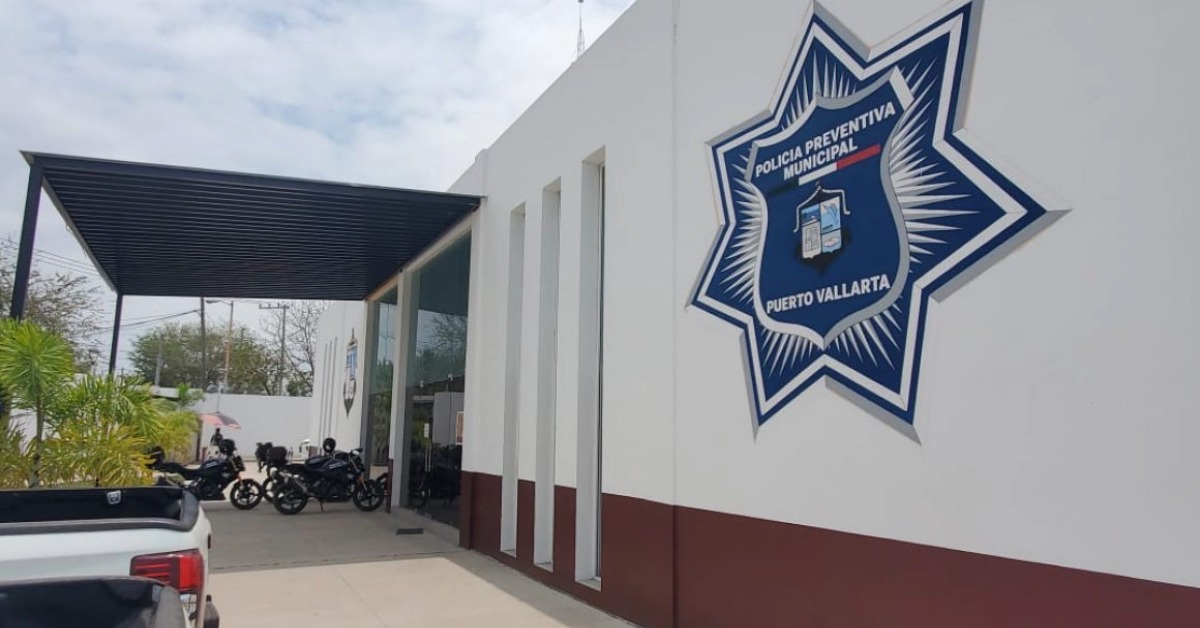
Puerto Vallarta’s municipal police are facing one of the strongest findings a state human rights body can issue. On March 30, the Comisión Estatal de Derechos Humanos Jalisco, or CEDHJ, said it had issued Recomendación 5/2026 against the city’s public security force after documenting torture, arbitrary detention, and other abuses tied to a 2023 case.
According to the commission, the case began on November 19, 2023. The victim was walking on a public street when police officers stopped the person without an objective legal reason for detention. The recommendation says the victim was then deprived of liberty, taken to another location, and physically assaulted several times before being released under threats.
The commission said the injuries were serious enough to require urgent medical care and hospitalization. That detail matters because it moves the case beyond a simple dispute over what happened during a police stop. The recommendation says medical and psychological evaluations carried out under the Istanbul Protocol matched the victim’s account and the documented injuries. It also says investigators found contradictions in police reports and inconsistencies in official records.
Those points explain why this case is significant. A human rights commission does not issue a recommendation every time someone files a complaint. It does so after reviewing evidence and concluding that rights were violated. In this case, the commission said the violations included the rights to legality and legal certainty, personal integrity, individual liberty, and dignified treatment.
Why this matters beyond one incident
For many international readers, the first question is basic. What exactly is the CEDHJ? It is Jalisco’s state human rights commission, an autonomous public body that investigates complaints against public officials and agencies. When it concludes that a violation occurred, it can issue a public recommendation to the relevant authority.
That recommendation is not the same as a criminal conviction. It does not send anyone to prison, and it does not replace a criminal case. But it is not symbolic paperwork either. Under Mexico’s Constitution and Jalisco law, these recommendations are public and non-binding, yet authorities must respond to them. If an authority refuses, it must publicly explain that refusal.
That matters in a case like this. A recommendation creates an official record that a public institution reviewed the evidence and found serious abuses. It can increase pressure for administrative sanctions, victim support, policy changes, and cooperation with prosecutors. In practical terms, it does not end the case. It makes the case harder to brush aside.
For Puerto Vallarta, that carries extra weight. The city depends heavily on trust. It is marketed to tourists, foreign residents, retirees, investors, and families. A formal finding built around torture, arbitrary detention, and threats lands differently in a place whose public image depends on routine safety and predictable policing.
What officials are being asked to do
The recommendation does not focus only on what officers allegedly did on one day. It also focuses on what the city must do now. The commission asked the Puerto Vallarta municipal government, working with Jalisco’s victims commission, to register the victim in the state victims registry and move toward full reparation of harm. It also called for free, ongoing, and specialized medical and psychological care for as long as needed.
The commission also wants accountability within the police structure. It called for a permanent and mandatory training program for all operational personnel, led by qualified specialists. It asked authorities to conclude the internal administrative case against the officers involved, place the recommendation in their labor files, and cooperate fully with the criminal investigation tied to the case.
That package is important because it suggests the commission sees more than a single bad encounter. The recommendation addresses the detention itself, the treatment of the victim, the internal review process, and the city’s duty to repair the damage. That is often how human rights bodies try to force institutional change. They examine both the act and the system that allowed it.
Why the Istanbul Protocol matters
One of the most important details in this case is the reference to the Istanbul Protocol. That is the United Nations manual used internationally for the effective investigation and documentation of torture and other cruel, inhuman, or degrading treatment. In plain terms, it is a recognized method for assessing whether physical injuries and psychological effects are consistent with allegations of torture.
That does not mean every case that mentions the protocol ends in a conviction. Courts and prosecutors still have their own work to do. But when a rights commission says its medical and psychological findings follow that standard, it signals that the case was tested against a recognized framework rather than handled as one person’s accusation against an officer’s denial.
Mexico’s anti-torture law adds another layer of importance. The law says torture is absolutely prohibited and must be investigated under the highest international standards. That matters because cases like this are not supposed to be treated as routine disputes between a citizen and the police. They are supposed to trigger a more serious response from the state.
For foreign readers, this is also a useful context. In Mexico, accountability can move on several tracks at once. A human rights commission may document violations. Internal affairs may review officer conduct. A victims’ commission may handle support and reparations. Prosecutors may pursue possible crimes. Those tracks do not always move at the same speed, but they are meant to work together.
What happens next
The next phase is about response, not headlines. Jalisco law requires an authority that receives a recommendation to state within 10 days whether it accepts it. If it accepts it, it then has fifteen days to demonstrate compliance, though that period can be extended depending on the measures involved.
That means the real test begins now. Will Puerto Vallarta treat this as a legal and institutional warning, or as another controversy to outlast the news cycle? The answer matters first to local residents. It also matters to the city’s many foreign residents and visitors, who may not know how Mexico’s municipal accountability system works until a case like this forces the issue.
At its core, this is a story about what happens after a watchdog speaks clearly. The commission has already made its findings. The open question is whether the municipal government turns that finding into repair, discipline, and reform, or leaves it as another document in a place where accountability often arrives late.