After bridge damage cut a key route out of Puerto Vallarta, movement toward Las Palmas is returning—partly. Buses are running again, but not across the structure. Drivers are being redirected, and a temporary crossing is taking shape near the Río Mascota. For residents and expats who rely on the corridor for work, deliveries, or weekend trips inland, the next few days will depend on a technical report and the pace of emergency works. Here’s what has changed, and what hasn’t.
What reopened and what remains closed
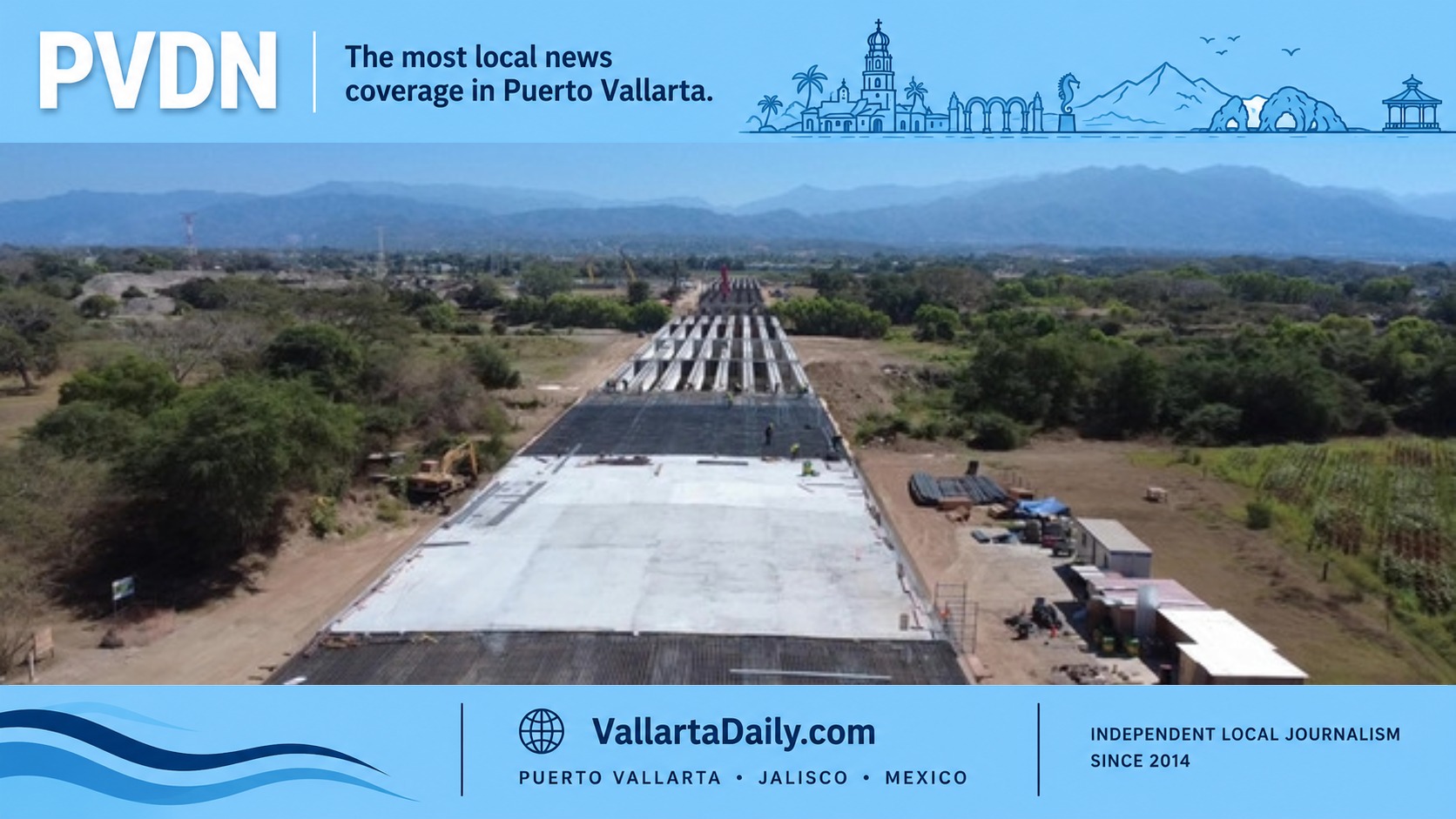
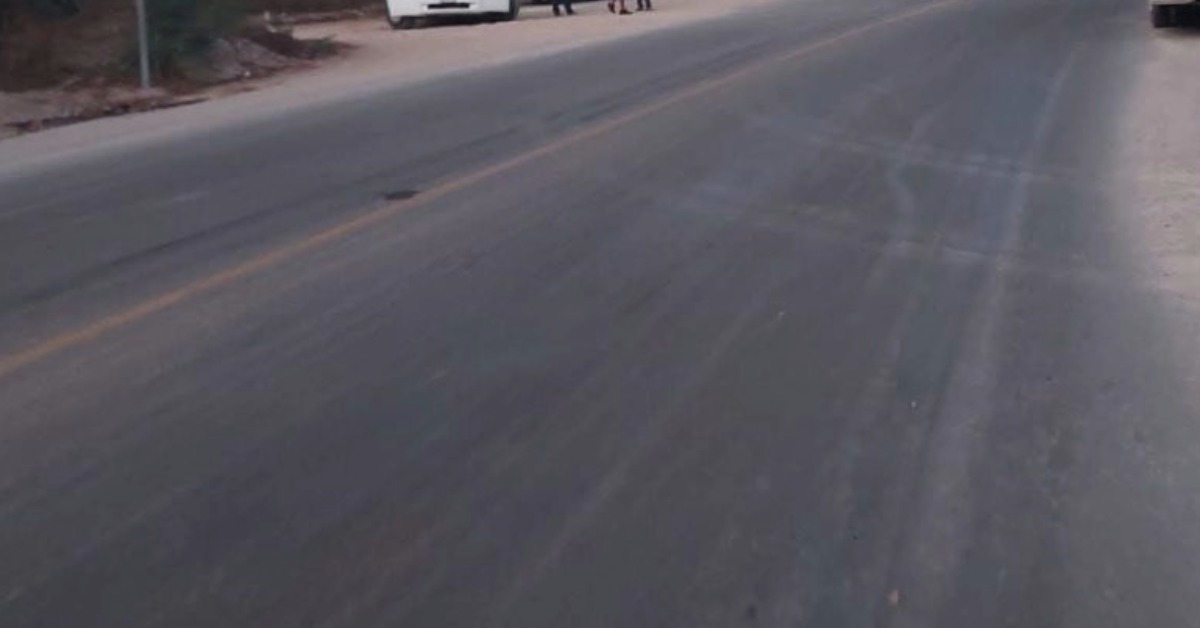
Puerto Vallarta authorities restored partial access to Las Palmas after damage to the La Desembocada bridge. The bridge on Carretera Estatal 544 crosses the Río Mascota and links several rural communities. Officials say the structure is unsafe for normal vehicle traffic pending a technical assessment. Officials said the bridge shows fractures that increase the risk of collapse under heavy loads. The bridge remains closed to cars and trucks. The disruption followed road blockages and vehicle fires on Sunday, February 22, 2026. Since then, communities north of the river have faced gaps in transport, deliveries, and services. Local estimates put the impact at about 6,000 families in Las Palmas, La Desembocada, and nearby areas. A provisional transit plan is now operating on both sides of the bridge. Emergency measures focus on getting residents to work, schools, and health services while repairs are planned. Crews are also preparing alternate routes to reconnect neighborhoods and keep supplies moving. Authorities say the priority is restoring mobility without adding risk at the damaged span.
How the temporary transit transfer works
Officials say public transport is the main reason the corridor has reopened at all. Buses from Puerto Vallarta stop before the bridge on the south side. Passengers walk across the structure and board another unit waiting on the north side. The same transfer works in reverse for riders heading into town from Las Palmas. This keeps routes operating without overloading the bridge. The transfer requires walking the bridge deck, sometimes with bags or parcels in hand. That step can create delays, especially during peak commuting times. Operators are maintaining service to communities such as El Colorado, Ecoterra, and El Cantón through these transfers. Authorities say the arrangement will stay in place until an engineering decision is made. They also stress that the bridge remains structurally compromised. For expats who rely on taxis or private cars, the key point is unchanged: the bridge is not open to vehicles.
Detours taking shape around the Río Mascota
Beyond the transfers, the municipality is opening an alternate route to reduce pressure on the bridge area. The temporary track runs from the point known locally as 2Box, near the Ixtapa penitentiary, toward the old road to El Cantón. Officials say the goal is to restore vehicle access for the delivery of supplies and for essential trips. Work crews are placing pipes to form a temporary vehicle crossing over the Río Mascota. Authorities have warned that the route is still under construction and may be unsafe for small vehicles. A separate rural crossing, known as El Paso del Guayabo, is also cited by officials as an existing option used by ejidatarios. That crossing links Puerto Vallarta with nearby communities and connections toward Nayarit. Conditions on either route can change quickly with river levels and ongoing works. Officials have asked drivers to limit traffic through the work zone until the route is completed. For now, the official message is that detours are temporary and subject to restriction.
Timeline for assessment and potential reconstruction
Officials say the long-term fix will depend on an engineering dictamen técnico expected by Friday, February 27, 2026. The mayor has said the bridge may need to be demolished and rebuilt, depending on that assessment. Until a decision is announced, the working assumption is that vehicle loads must stay off the span. Municipal teams and the local DIF are continuing deliveries of water, food, and other essentials to affected areas. Earlier disruptions included gaps in gas delivery, trash collection, and restocking for small shops. The aim is to stabilize daily life while traffic routes are reorganized. For residents who travel regularly between the city and the rural corridor, the near-term reality is more transfers and longer commutes. For expats, the disruption can also affect shopping runs, service calls, and trips inland that normally use Highway 544. Authorities have said they will issue updates as the alternate route work progresses and the technical review is completed. Any reopening for vehicles will depend on structural findings, not timelines.