Puerto Vallarta sea turtle nesting
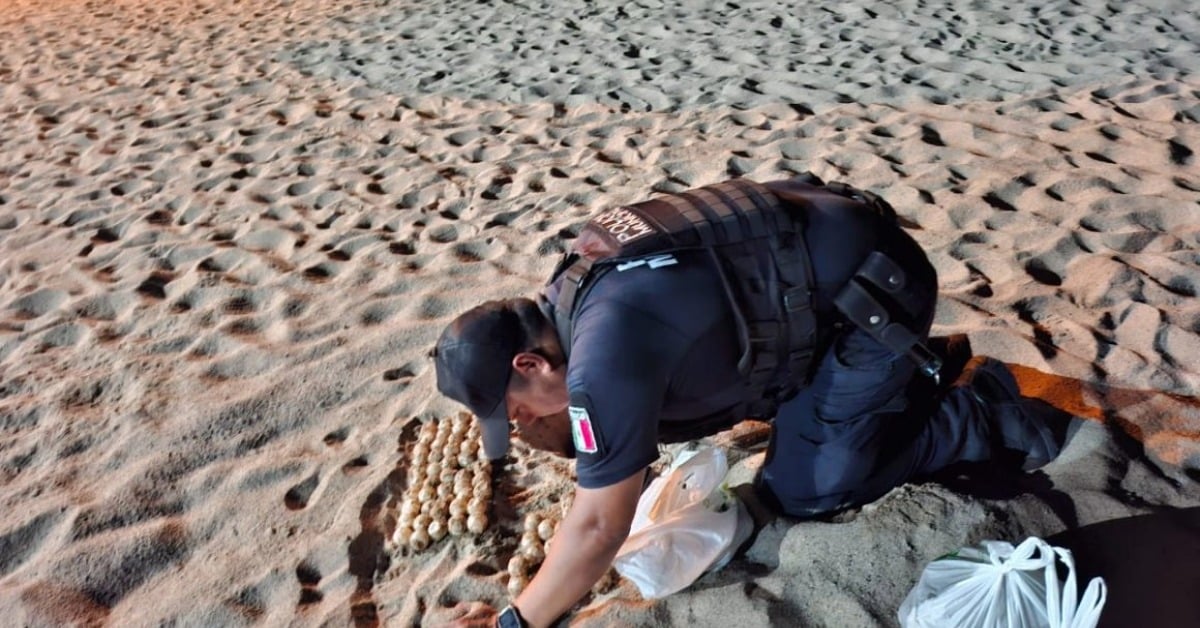
This nesting season has turned intense along Puerto Vallarta’s coast. Members of the city’s Green Patrol, part of the Public Safety Directorate, report collecting more than 15 nests over the last five days. Each nest is transferred to the Environmental Sustainability staff for care and controlled hatching. The push reflects a busy stretch for an endangered species that still fights long odds on urbanized beaches.
Eggs have been recovered on nearly every shoreline in the municipality. Patrols highlight activity from Boca Negra to Camarones, with confirmed finds at Playa de Oro, Playa del Holly, and Flamingos. Those sites show how turtles keep circling the bay, testing sand, noise, and light before committing to nest.
Lighting and crowds still push turtles away
Not every beach is seeing the same success. Officials note there are few reports on other stretches because of strong lighting and steady human presence. When a turtle is disturbed, it often abandons the nesting attempt and heads back to the water. That interruption can reset the cycle until the turtle locates a calmer, darker spot to dig.
A single clutch can range from about 80 eggs to well over 100. Each abandoned attempt risks losing that entire set to tides, predators, or trampling. Minimizing disturbances during peak night hours remains the simplest way for residents and visitors to help.
New incubation pen strengthens protection
Last month, a new incubation pen opened at the Crown Paradise hotel on Playa de Oro. The enclosure adds capacity to the city’s network of five existing facilities, giving more eggs a secure place to develop and hatch. Pens help control temperature swings, block predators, and reduce the risk of accidental damage on busy sand.
Together with round-the-clock patrols, the added space tightens the chain from collection to release. It also shortens the time eggs spend in vulnerable makeshift pits, especially during periods of heavy foot traffic.
What residents and visitors can do now
The strongest support remains simple: keep lights low, give nesting turtles distance, and follow posted guidance. Even small changes in behavior at night can determine whether a turtle completes the nest. The city urges beachgoers to report sightings to authorities so teams can secure the area and move the eggs to safety.
Puerto Vallarta’s coastline is a living nursery each summer. With patrols gathering nests at pace and a new pen online, the city is trying to turn a hectic season into a productive one—so more hatchlings reach the surf when the time comes.