For years, Puerto Vallarta has worn its “safe city” label like a badge. The newest INEGI survey doesn’t take that away, but it does complicate the story. In the latest ENSU results, more residents said they feel unsafe than did just one quarter ago, even as the city remains in Mexico’s Top 10 for the lowest insecurity perception. So what changed, and how should expats read a number that measures fear rather than crime? The answers are more nuanced than a ranking.
Puerto Vallarta’s insecurity perception rises
Puerto Vallarta’s standing as one of Mexico’s “safest” big cities is still intact. But it got shakier this quarter. INEGI’s National Survey of Urban Public Security (ENSU) was released on January 23, 2026. It shows 32.0% of adults in Puerto Vallarta felt unsafe in December 2025. In the previous measurement, taken in September 2025, that figure was 24.7%. That is a 7.3‑point rise in perceived insecurity. Puerto Vallarta remained in the national Top 10. It landed in the eighth spot. Only San Pedro Garza García, Benito Juárez, Piedras Negras, Los Mochis, San Nicolás, Saltillo, and Torreón scored lower. Most residents still did not report feeling unsafe. Nationally, 63.8% said they felt unsafe in December. Nearby metros, such as Guadalajara and Zapopan, reported much higher levels. The story is not that Vallarta “became dangerous” overnight. It is that the city’s mood shifted noticeably. For expats, that shift is worth watching.
Reading the ENSU like a thermometer
ENSU is a perception survey. It measures how safe people feel, not crime counts. It polls adults in 91 urban areas and asks whether they feel insecure in their cities. For the fourth quarter of 2025, interviews ran from November 26 to December 16. The sample covered 27,130 homes. INEGI also tests whether changes are statistically meaningful. Nationally, the December figure did not move significantly from September, even though it ticked up. Puerto Vallarta’s increase is apparent in raw points, but it was not marked as statistically significant in the table. That nuance matters when you see a jump like 7.3 points. A single quarter can swing on news cycles, a viral incident, or a tense holiday season. Perception still matters because it changes behavior. It can reshape routines, spending, and trust. For expats, ENSU can act like a local mood report. It signals what residents are feeling right now. The ranking, too, can mislead. Vallarta is in the “Top 10” because fewer residents there say they feel unsafe than elsewhere.
What can push the number up
Zoom out, and the ENSU report gives clues about the situations that feed insecurity. In December 2025, 72.3% of adults reported feeling unsafe at street ATMs. Another 64.9% felt unsafe on streets and on public transport, and 58.9% on highways. Those are national figures, but they map onto the places where Vallarta residents and expats spend time. They are also the places where visitors are most visible, and where cash changes hands. In a city that swells during high season, even a few public incidents can travel fast. The survey also asked what people see near their homes. Nationally, 59.7% reported seeing alcohol consumption on the street. Another 48.3% cited robberies or assaults, and 40.3% pointed to drug sales or use. Vandalism and frequent gunshots appear in the mix as well. When those signals feel closer, perception can shift overnight. It is a reminder that comfort can be fragile in a resort town.
What expats should do with this
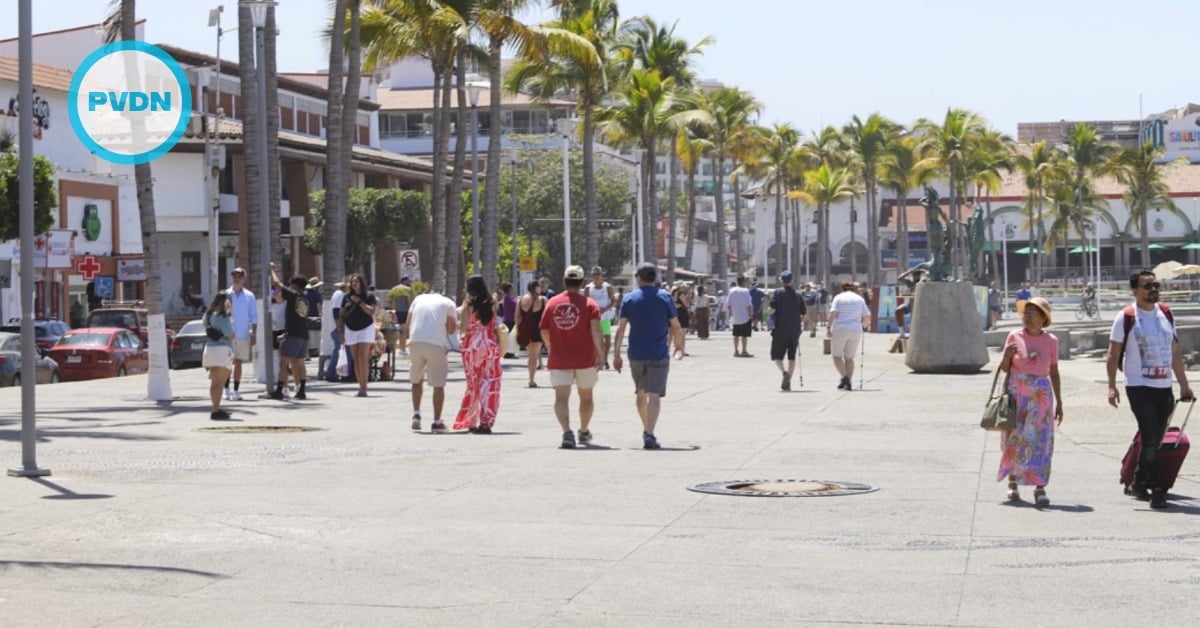
None of this is a reason to write off Puerto Vallarta. A 32% insecurity perception is still far below the national level. It also fits how many expats describe daily life. Think walkable neighborhoods, busy plazas, and a visible police presence in tourist zones. Some travel advisories warn about crime in parts of Jalisco. They also note that there are no travel restrictions for U.S. government employees in Puerto Vallarta. Still, perception is a signal, and signals can be helpful. If you live here, it is worth checking whether your own routines have changed. Are you avoiding certain ATMs or taking more taxis at night? Are neighbors talking more about theft, scams, or street fights? Those details are what perception is made of. The next ENSU release will show whether December was a blip or a trend. Until then, the safest read is practical calm: stay aware, don’t flash valuables, and let data guide the conversation.