It was part race, part reality check. On Sunday, 34 boats and 300 people fanned out from Los Muertos Pier and pulled 3.55 tons of debris from Banderas Bay in just five hours. Organizers call it proof that the bay needs help year-round, not only after storms. Crews stacked refrigerators beside tangled nets and foam. Here’s what the haul says about the bay—and why the work can’t stop with one tournament. Volunteers left tired and smiling, but the message was urgent.
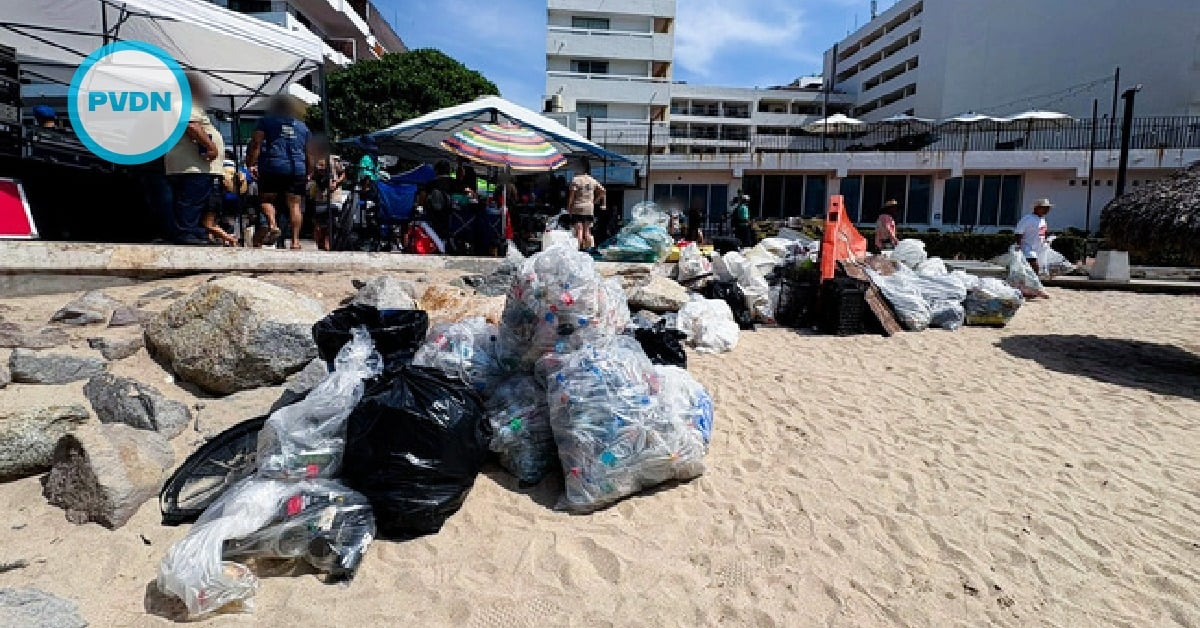
On October 19, Puerto Vallarta turned a cleanup into a competition — and the bay won. In five hours, 3.55 tons of trash came out of Banderas Bay as 34 boats and about 300 people worked from the Los Muertos Pier. Volunteers and officials sorted each load into PET plastics, Styrofoam, glass, aluminum, general refuse, and a final pile for the big, ugly stuff — appliances, tires, even damaged boat parts. Jalisco’s office of the Federal Attorney for Environmental Protection (Profepa) joined alongside brigades and civil groups, underscoring that cleaning the water is a shared job, not a photo op. “The sea has no voice, but it has allies,” organizers said, and on Sunday those allies showed up.
Puerto Vallarta trash fishing
This is Puerto Vallarta trash fishing at its most practical. The second annual tournament ran 9 a.m. to 2 p.m., launching from the pier at Playa Los Muertos with teams fanning out across nearshore waters. The set-up feels simple: collect what you can, bring it in, and weigh it. It’s also strategic. Crews chase floating foam, tangled plastic bags, loose caps, and aluminum that ride the surface after storms and high traffic. Event details, schedules, and the organizers’ goals were posted on the city’s official event listings in the run-up to Sunday’s effort, which framed the day as both sport and civic duty. That framing matters because the problem doesn’t stop at the waterline.
Profepa’s presence helped with coordination and logistics, and it lent weight to the message. Authorities stress prevention as much as removal, since what’s pulled from the bay today often reflects habits on shore yesterday. After heavy rain, street litter races through channels into the estuary and, hours later, drifts past swimmers and paddleboarders offshore. Local advocates have urged teams to focus on smaller pieces this year — the foam bits and snap-off plastic that birds and turtles mistake for food — because those fragments do the quietest damage, as highlighted in a recent briefing.
By the end of the weigh-ins, the numbers told a story. Five hours, 34 boats, 300 people, and 3.55 tons is not just a feel-good statistic; it is a snapshot of what still floats in one of Mexico’s most visited bays. It also suggests that community action can scale fast when the incentives are right. Crews brought in tires and even a refrigerator, but the dull mountains of Styrofoam and capped soft-drink bottles may matter more. That mix points to everyday consumption and weak disposal habits, not isolated dumping.
Context helps. The first edition of the tournament, in 2024, as documented by Limpia tu Mar, hauled just over two tons in roughly the same five-hour window and similar sea conditions. This year’s haul was larger and spread across more categories, which fits what many residents saw after this rainy season. From June through September, debris pours down the rivers, and whatever a storm misses tends to break apart and reappear weeks later as foam pearls and brittle caps scattered along the tide line.
None of this replaces year-round work. Sunday’s result is an opening, not an end. Civil groups need reliable disposal, recycling partners, and predictable funding so efforts don’t hinge on one big weekend. Businesses that sell single-use containers can help by reducing foam at the source and backing deposit-return pilots. Tour operators can set simple expectations on every boat: bag all waste, secure lines and nets, and report floating hazards. Beachgoers can do the small things that add up — use bins, pack out what you pack in, and say something when a drain clogs with cups.
After the tournament, the real work
Puerto Vallarta has built its brand on clean beaches and swimmable water; that promise depends on unglamorous routines. Street crews clearing storm grates the day a squall hits. Restaurants swapping out foam for alternatives. Residents separating glass and PET and dropping it at reliable collection points. Events like Sunday’s are the spark that makes those habits visible. They also remind us that the ocean’s worst problems don’t always look dramatic. Most are small, light, and easy to ignore until a turtle swallows them.
This year’s tournament shows what can happen when the city, federal authorities, and neighbors row the same direction. The challenge is to keep rowing on the days without a banner, a weigh-in, or applause.