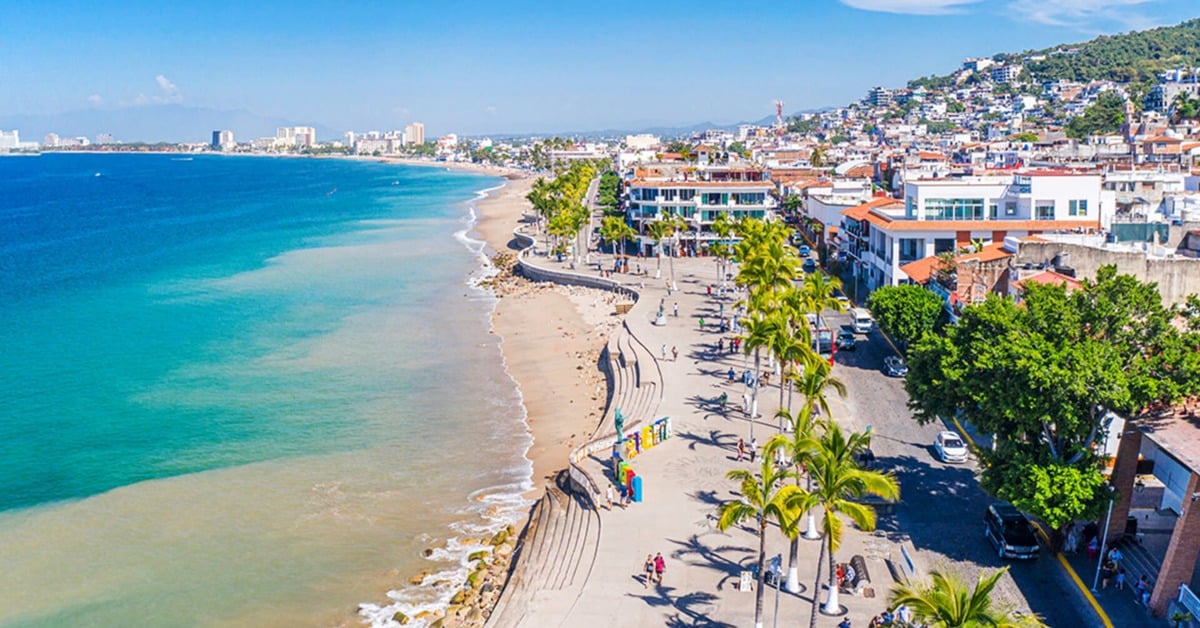
Puerto Vallarta’s beach warning is not a closure order, but it does put several days of ocean conditions under watch. Civil Protection said low-level jets could bring mar de fondo to local beaches, raising the risk of heavier surf, rip currents, and sudden changes in water level. The alert also reaches hotels, restaurants, and services along the coast, where unsecured furniture and equipment can become part of the hazard as the shoreline begins moving over the next few days.
Puerto Vallarta issues rough-sea warning
Puerto Vallarta’s Civil Protection and Fire Department warned that mar de fondo is expected along the city’s beaches over the next few days, bringing a higher risk of elevated surf, rip currents, and shifts in the sea level.
In a municipal preventive notice, the agency said the conditions are linked to the presence of low-level jets, a wind pattern that can help organize swell along the coast. The agency described the main hazards as “oleaje elevado, corrientes de retorno y variaciones importantes en el nivel del mar.”
The warning is not, at this point, a general beach-closure notice. It does not list specific beaches under red flag, nor does it set a precise end time. That makes the flag system and lifeguard instructions more important than a fixed calendar window.
What the warning asks people to do
Civil Protection urged anyone entering the ocean to take extra care and follow lifeguard instructions. The agency also told people to respect the beach flag system, which can change by beach and by hour when the surf is unstable.
The warning extends beyond swimmers. Hotels, restaurants, beach clubs, and coastal service providers were asked to secure furniture, equipment, and loose objects that could be pulled by waves. People staying or working near the beach were advised not to remain in wave-break areas and to secure items in patios or terraces exposed to the ocean.
The city said personnel will keep permanent monitoring on municipal beaches. The notice added, “Seguiremos informando oportunamente sobre cualquier cambio en las condiciones del mar.”
Mar de fondo is not always visible from shore
A mar de fondo event can look uneven. The sea may appear manageable between sets, then push larger, heavier waves onto the beach. Mexico’s disaster prevention center describes the phenomenon as a long, continuous swell generated by storms at sea. It can affect Mexico’s Pacific coast throughout the year, mainly from May to November, according to CENAPRED guidance on mar de fondo.
National weather forecasts also placed Jalisco’s coast inside a broader Pacific swell pattern. The federal weather service forecast listed mar de fondo with waves of 2.0 to 3.0 meters along parts of the Pacific coast, including Jalisco. That range does not mean every Puerto Vallarta beach will see identical conditions, but it supports the local warning that conditions can shift quickly.
Puerto Vallarta saw similar rough-sea alerts earlier this year, including a March warning over mar de fondo when officials cautioned that yellow flags could turn red as waves and currents strengthened. The repeated notices point to a familiar beach-safety problem. The highest risk is often not the height of a single wave, but the pull of water moving back out after waves break near shore.
No injuries or rescues were reported in the warning. The city also did not announce the suspension of beach operations. The current instruction is narrower and more immediate. Watch the flags, listen to lifeguards, and keep loose objects off exposed beach areas until the swell weakens.