Red flags went up along Puerto Vallarta’s entire shoreline as waves grew and currents sharpened. The beach can still look inviting, especially under winter sun, but the danger often sits below the surface. Authorities are asking residents and visitors to stay out of the water until conditions ease, and lifeguards are monitoring the situation closely. What’s driving the sudden risk, how long it may last, and which habits keep swimmers and kids safer can make all the difference.
Red flags cover the full Vallarta shoreline
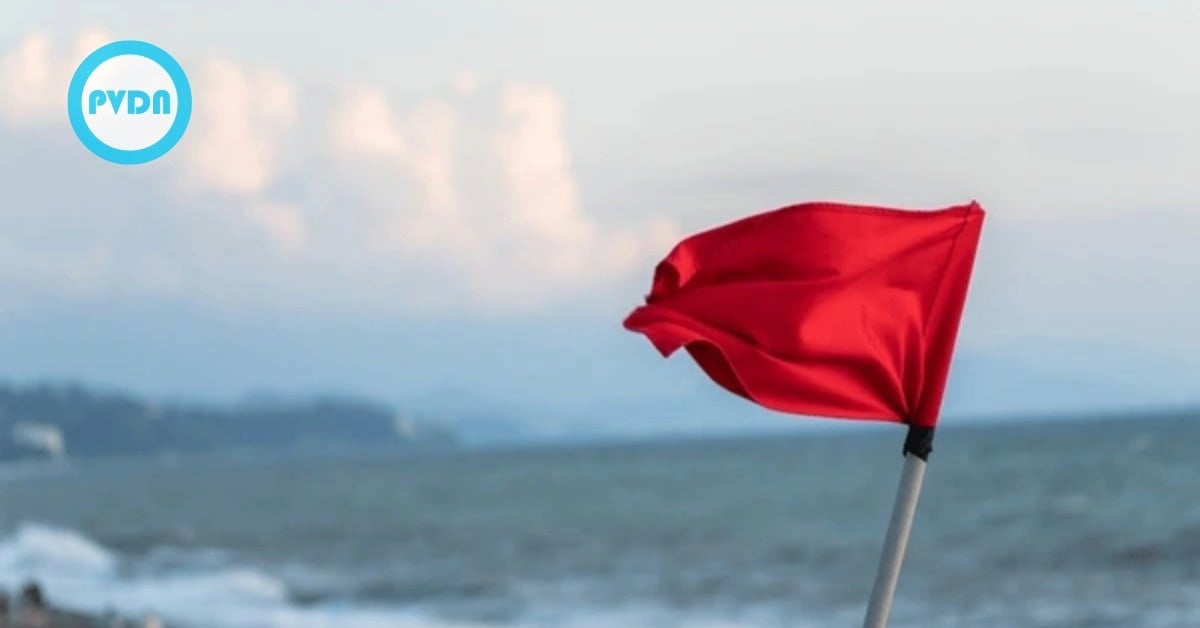
Puerto Vallarta woke up on Wednesday, February 4, to a coastline under full red-flag alert. Civil Protection and firefighters raised red flags along the entire beach strip and urged everyone to stay out of the water. The warning is tied to high surf and rip currents that can form quickly, even when the sea looks calm between sets. Officials say the restriction covers every municipal beach, from the hotel zone to the south shore. For expats and visitors, this is the day to treat the ocean like a moving road, not a pool. A single rogue wave can knock you off balance, drag you into deeper water, and push you into rocks. That risk is highest near river mouths, jetties, and rocky points, where currents concentrate. Keep children well back from the wash line, and skip photos on slick breakwaters. Lifeguards are monitoring conditions and can explain what is safest in each area.
Why the ocean is rough right now
This surge is part of a broader mar de fondo affecting much of Mexico’s Pacific coast. Forecasts for Wednesday called for wave heights around two to three meters along Jalisco, enough to change the nearshore quickly. Unlike short, local chop, mar de fondo arrives as long-period swells that carry extra power when they break. The first few waves can seem manageable, then a larger set suddenly slams into the same stretch of sand. As water rushes back out, it carves narrow channels that behave like conveyor belts, pulling swimmers away from shore. These currents can be strongest in waist-deep water, so wading is not harmless. Puerto Vallarta’s bays and coves can soften the swell, but they do not eliminate the risk. Tide changes can also flip conditions in minutes, especially near rocks and at beach entrances. Wind can add a messy layer, turning a simple swim into a fight. That is why authorities prefer to shut down water entry early, before rescues start piling up.
What the flags mean for your beach day
Beach flags are not decorations, and the colors are meant to be blunt. Green signals calmer water. Yellow means enter only with caution. Red is a clear stop sign. In Puerto Vallarta, a purple flag may be raised when harmful marine life is present. A black flag is used when a beach is closed. When red flags are up everywhere, assume conditions are changing faster than a casual beach day can handle. You can still enjoy the shoreline, but give the surf extra space. Watch for a sudden run-up that exceeds expectations. If you have kids, keep them close and resist the urge to let them splash at the edge. Choose a shaded lunch, a walk on the malecón, or a plan that stays on land. If you rely on ocean swims for exercise, treat this as a rest day. Check back for updates, because flags can change with the next tide.
If someone gets pulled by a current
Red flags also change how you help when something goes wrong. If you see someone being pulled seaward, call 911 and alert the nearest lifeguard right away. Keep eyes on the water, and don’t turn your back on the surf. From the sand, you can help without entering by tossing a float, a cooler lid, or a towel. The worst move is a panicked rescue attempt by a friend, which often creates a second victim. If you are the one caught, fight the instinct to sprint back to shore. Rip currents tire people out because they are narrow and fast, like a river in reverse. Try to stay calm, float on your back, and wave an arm to signal you need help. If you can move, swim parallel to the beach until the pull eases, then angle back in with the waves. Even strong swimmers should pause in shallow water, because the next set can still knock you down.