Restaurant Week is returning to Puerto Vallarta and Riviera Nayarit with 51 participating restaurants, three fixed-price menu tiers, and nearly four weeks for diners to explore the region’s food scene. The 2026 edition keeps prices unchanged while bringing together long-established favorites, newer kitchens, beachside restaurants, and fine dining spots across Banderas Bay. For residents and visitors, it is a chance to plan meals around value, variety, and a season when the bay’s restaurants work harder for local attention.
Restaurant Week returns to Puerto Vallarta and Riviera Nayarit
Restaurant Week 2026 will return to Puerto Vallarta and Riviera Nayarit from May 15 through June 10, bringing fixed-price dining menus to 51 restaurants across Banderas Bay.
The annual culinary event is now in its 22nd edition. It began in 2005 and has become one of the region’s most established dining promotions. The format is simple. Participating restaurants create special three-course menus at set prices. Diners choose from several options for each course and book directly with the restaurant.
This year’s participating restaurants will offer menus at $495, $575, or $690 pesos per person. Drinks and tips are not included. The price structure gives diners a clear idea of the cost of food before booking, which is part of the event’s appeal to residents, seasonal visitors, and travelers watching their budgets.
The 2026 edition keeps the same number of participating restaurants as last year. That gives the event a broad footprint across Puerto Vallarta and Riviera Nayarit, while showing that the local restaurant sector continues to treat late May and early June as an important part of the dining calendar.
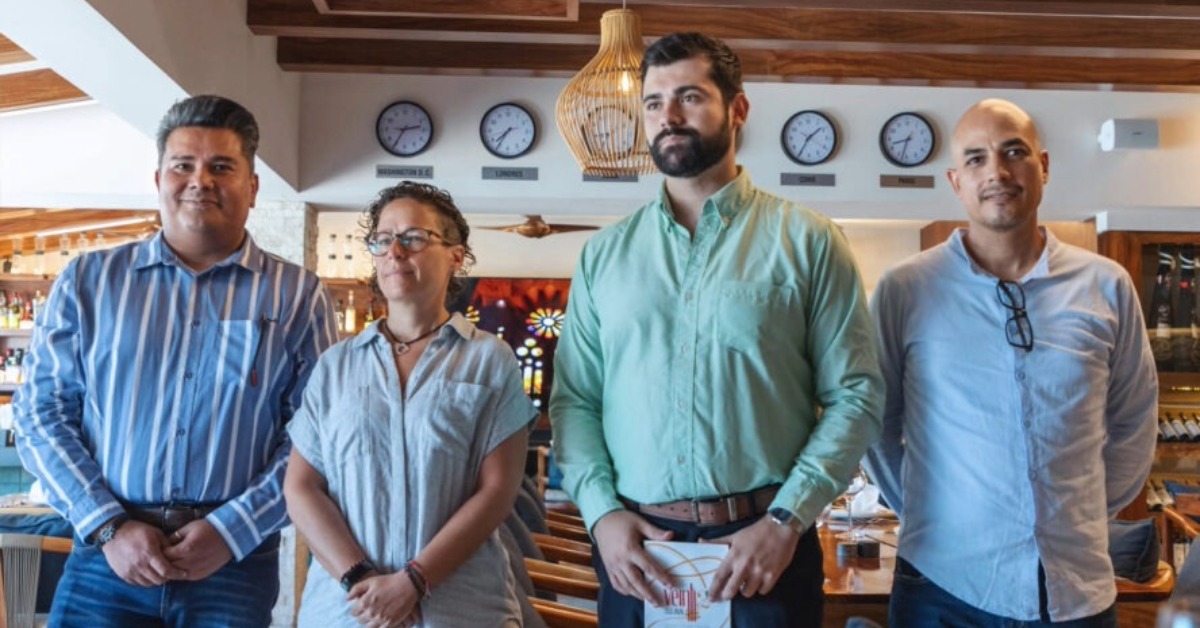
The event was formally presented at Mesón Ibérico in Marina Vallarta. Organizers, tourism officials, and restaurant representatives used the announcement to frame the festival as both a dining event and a tool for local businesses during a slower part of the tourism year.
How the 2026 edition works
The Restaurant Week model is built around a set menu. Each participating restaurant prepares a three-course offering that usually includes a starter, main course, and dessert. Diners normally receive three choices for each course, though menus vary by restaurant.
The fixed prices are divided into three categories. Some restaurants will offer their menus at $495 pesos, others at $575 pesos, and higher-tier menus at $690 pesos. Those prices are for food only. Beverages, wine pairings, cocktails, coffee, and gratuity are separate unless a restaurant states otherwise.
For many diners, the value is not just the discount. The event also reduces the friction of trying a new restaurant. Instead of facing a full menu with uncertain prices, guests can compare menus, choose a price tier, and reserve a table with clearer expectations for the total bill.
That matters in a destination where dining options have grown quickly. Puerto Vallarta now has long-running local institutions, chef-driven restaurants, beachfront dining rooms, neighborhood bistros, hotel restaurants, and newer concepts in areas such as Versalles, Marina Vallarta, Zona Romántica, Centro, Nuevo Nayarit, and Bucerías.
Restaurant Week gives these places a shared calendar. It also gives diners a reason to visit places they may have heard about but haven’t tried yet. For residents, that can mean testing a higher-end restaurant without committing to the full regular menu. For visitors, it can mean fitting a more polished dinner into a travel budget.
A dining event tied to the shoulder season
Restaurant Week lands during a useful window for the local economy. The dates fall after the heaviest winter travel months and before the full rhythm of summer travel. In practical terms, that means restaurants are competing for a different mix of diners.
May and early June can still bring strong demand, especially around major events and long weekends. But the dining room crowd often shifts. Some snowbirds have gone home. Some short-term visitors are more budget-conscious. Local residents become a more important audience.
That is where a fixed-price promotion can help. It gives restaurants a reason to market themselves during a slower stretch. It also gives locals and expats a timely reason to go out for dinner.
For international residents, the timing can be useful. Many people who live in Puerto Vallarta full-time avoid peak-season dining because of crowds, higher demand, and limited availability of reservations. Restaurant Week gives them a chance to return to popular restaurants after the winter rush, but before summer heat and rain change evening routines.
The event also overlaps with a busy social period in Puerto Vallarta. Vallarta Pride 2026 is scheduled from May 17 to May 24, which means demand in and around Zona Romántica could be higher during part of Restaurant Week. Diners who want to eat at popular restaurants that week should plan ahead.
What 51 participating restaurants says about the local scene
The number of participating restaurants is important because it shows the event has moved beyond a small promotion. With 51 venues, Restaurant Week now reflects a wide slice of the bay’s restaurant market.
The participating list includes well-known names such as Café des Artistes, Archie’s Wok, Barcelona Tapas, Bravos Restaurant, Daiquiri Dick’s on the Beach, Joe Jack’s Fish Shack, Kaiser Maximilian, La Leche, River Café, TRIO, and VITEA Bistro Café. It also includes restaurants in Riviera Nayarit, such as Bistro Cobojo, Ciao! Steak and Pizza, Coco Bichi, Divum, Loma 42 Bahía, Mikoh Bucerías, Mozzamare, No Soy Juan, Parrotfish Japanese Fusion, Riviera Grill, Sandrina’s Cocina Mediterránea, Taormina, and Tarantella.
The mix matters because Puerto Vallarta and Riviera Nayarit no longer sell themselves only through beaches, sunsets, and nightlife. Dining has become part of the destination’s identity. That includes Mexican cuisine, seafood, Italian, French, Spanish, Thai, Chinese, Japanese fusion, Mediterranean, steakhouse concepts, and more personal chef-driven menus.
The event also shows how spread out the dining scene has become. A visitor staying in Zona Romántica may think of Vallarta dining as a walkable neighborhood experience. A resident in Marina Vallarta, Versalles, Fluvial, Nuevo Nayarit, or Bucerías may see a very different map. Restaurant Week brings those maps together under one calendar.
That can help smaller or newer restaurants get noticed. It can also help established restaurants stay visible as new competitors open.
Prices stay fixed while dining costs remain a concern
One notable point for 2026 is that the menu prices remain at $495, $575, and $690 pesos. For regular diners, that is a useful detail.
Restaurant prices in Puerto Vallarta have risen in recent years, especially in popular tourist areas. Rent, labor, food costs, imported ingredients, energy, and service expectations all affect final prices. For residents on fixed incomes, including many retirees, dining out has become more selective.
Restaurant Week does not make every restaurant cheap. A dinner for two can still add up once drinks, tips, and transportation are included. But fixed food pricing makes decisions clearer. A couple choosing a $575 peso menu can estimate the food portion before ordering extras.
For expats and international visitors, it is also worth remembering that tipping is not included. In Mexico, diners should check the bill carefully and leave a tip based on service. A tip should not be added without the customer’s consent. If a bill includes a service charge, diners can ask the restaurant to explain it.
The fixed menu price is best understood as the starting point. A realistic total should include beverages, tip, and transport. Even then, Restaurant Week can still offer strong value for diners who choose carefully and compare menus before making a reservation.
How diners should choose a restaurant
The best way to use Restaurant Week is to start with the menu, not the restaurant name. Some well-known restaurants may offer a menu that fits a diner’s taste. Others may not. A lesser-known venue may have a stronger menu for a particular night.
Diners should check the official Restaurant Week menu for each restaurant before booking. The three-course format can vary widely. One restaurant may lean toward seafood. Another may focus on grilled meats, pasta, Asian flavors, vegetarian dishes, or Mexican ingredients. The right choice depends on the diner’s preferences and dietary needs.
Location should also be part of the decision. A restaurant in Bucerías or Nuevo Nayarit may be a good choice for residents north of the airport. A Marina Vallarta restaurant may be easier for travelers staying near the marina or hotel zone. Zona Romántica and Centro remain convenient for visitors staying downtown, but parking and ride demand can be tougher during event periods.
Reservations are strongly recommended. That is especially true for restaurants with smaller dining rooms, oceanfront tables, or strong name recognition. Diners should also ask whether the Restaurant Week menu is available every night, during all dinner hours, or only during specific service times.
Families or groups should be clear when booking. If some guests want the Restaurant Week menu and others want the regular menu, the restaurant should confirm whether that is allowed. Policies can vary.
A useful event for residents, not just tourists
Although Restaurant Week is often promoted as a visitor experience, the event has clear value for residents. Many people who live in Puerto Vallarta and the surrounding area have a running list of restaurants they mean to try. The fixed-price format gives them a reason to move those restaurants from “someday” to “this month.”
For retirees and long-term expats, the event can also be a practical way to keep up with the changing food scene. Puerto Vallarta has added restaurants at a fast pace, and neighborhoods have shifted. Versalles, for example, has become a more visible dining area. Riviera Nayarit has also expanded its restaurant offerings as development and tourism have grown north of the airport.
Restaurant Week helps residents compare neighborhoods and styles. It can introduce people to restaurants outside their usual routine. Someone who mostly dines in Zona Romántica may decide to try Marina Vallarta. Someone in Bucerías may use the event as an excuse to visit Puerto Vallarta for a planned dinner.
This matters because local support can help restaurants beyond the high season. A visitor may dine once and leave. A resident may return, recommend the restaurant, bring friends, or book again for a birthday or holiday.
What restaurants gain from the event
For restaurants, Restaurant Week is not only about filling tables. It is also about exposure.
A fixed-price menu lets a kitchen present a controlled version of its identity. Chefs can choose dishes that travel well through a busy service, manage food costs, and introduce diners to the restaurant’s style. A strong Restaurant Week experience can bring first-time guests back for the regular menu.
The event also creates shared publicity. A small restaurant may not have the marketing reach of a major hotel or established dining room. But as part of the Restaurant Week list, it appears beside better-known venues. That can help diners discover it while browsing menus.
There are tradeoffs. Restaurants must price carefully and prepare for volume. A poorly designed menu can strain the kitchen. A dining room that gets too busy can damage service. The restaurants that benefit most are usually those that treat the event as an introduction, not only as a discount.
The event also helps reinforce the bay’s image as a food destination. That has value for tourism boards, hotels, travel planners, and local businesses that depend on visitors moving through the region.
The role of Riviera Nayarit
Restaurant Week is often associated with Puerto Vallarta, but Riviera Nayarit is a major part of the 2026 edition. Restaurants in Bucerías, Nuevo Nayarit, Punta de Mita, and other areas north of the state line help make the event regional rather than municipal.
That regional footprint reflects how visitors and residents actually move around Banderas Bay. Many people live in one state and dine in the other. A person may stay in Puerto Vallarta but spend a day in Bucerías. A resident in Nuevo Nayarit may go downtown for dinner or meet friends in Marina Vallarta.
For international readers, it is useful to understand the geography. Puerto Vallarta is in Jalisco. Riviera Nayarit begins just north of the airport area, across the state line in Nayarit. The tourism market, however, often functions as one bay. Restaurant Week follows that reality.
The event’s cross-bay structure also gives diners more choices. Beachfront dining in Bucerías has a different feel from a formal Puerto Vallarta dining room. A resort restaurant in Punta de Mita offers another experience. A neighborhood spot in Versalles or Emiliano Zapata adds a different layer.
That range is part of the event’s appeal.
Restaurant Week and the broader tourism calendar
Restaurant Week sits inside a broader events calendar that helps Puerto Vallarta stay active between peak travel periods. May brings cultural events, Pride activities, dining promotions, and late-spring travel. June begins the transition toward summer, when the destination relies more on domestic visitors, weekend travel, and residents.
Food events are useful because they do not depend only on beaches or weather. A dinner reservation can still work on a hot day or during an evening rain. Restaurants also spread visitors across neighborhoods instead of concentrating all activity on the Malecón or beach clubs.
For local businesses, that movement matters. A dinner reservation can lead to taxi rides, parking fees, pre-dinner drinks, after-dinner walks, and nearby shopping. Even when the main spending happens inside a restaurant, the surrounding area can benefit.
For residents, the event can make the city feel more active during a time when some places begin to slow down. A dining promotion gives structure to social plans. It can also encourage people to revisit restaurants before summer routines set in.
Practical tips before booking
Diners should read menus carefully before reserving. The Restaurant Week price may be attractive, but the menu still needs to match personal taste. People with allergies, vegetarian preferences or dietary restrictions should contact the restaurant directly before booking.
It is also wise to confirm whether tax is included, whether the Restaurant Week menu is available on the desired night, and whether reservations require a deposit. Most restaurants will handle reservations directly through phone, WhatsApp, email, or their own booking systems.
Transportation should be part of the plan. During busy event nights, ride-hailing prices can rise and pickup times can stretch. In areas with limited parking, leaving extra time can prevent a rushed start to the meal.
Groups should reserve early. A table for two may be easier to find, but larger parties can be harder during Restaurant Week. Diners planning birthday dinners, group outings, or Pride-week meals should book ahead and confirm details in writing when possible.
Guests should also arrive with realistic expectations. Restaurant Week can make dining more affordable, but it can also make restaurants busier. Service may move at a different pace during peak nights. A patient, clear reservation helps both the diner and the restaurant.
What to watch as the event begins
The strongest measure of Restaurant Week 2026 will be how restaurants perform once the event starts. Participation is one sign of health. Full dining rooms, smooth service, and repeat customers are other.
Diners will likely watch for menu value, reservation availability, and service quality. Restaurants will watch table counts, check averages, and whether first-time guests return later. Tourism officials will watch how the event supports the broader destination during a transitional travel period.
For Puerto Vallarta and Riviera Nayarit, the event’s continued scale suggests that restaurants still see value in a shared promotion. It also suggests that diners remain interested in structured food experiences, especially when prices are clear.
Restaurant Week does not define the entire dining scene. No single event can do that. But it does provide a useful snapshot of where the bay’s food culture stands in 2026. It brings together long-running favorites, newer concepts, and regional restaurants into a single public-facing calendar.
For readers who live in the area, the best approach is simple. Review the menus, choose a few restaurants, reserve early, and budget for the full bill. For visitors, it is a chance to experience more of the bay beyond the beach. For restaurants, it is an opportunity to build a longer relationship with diners through a three-course menu.