If you’ve walked Aquiles Serdán lately, you know how quickly a single blocked line can turn a busy block into a mess. SEAPAL says a long-planned rebuild under this Emiliano Zapata corridor is now finished, swapping out the pipe that had outlived its useful life. Officials are betting the upgrade will mean fewer emergency digs, fewer foul surprises during peak season, and a smoother experience for residents, restaurants, and visitors. What exactly was replaced, and why does this one street matter more than it sounds?
A fix beneath one of Vallarta’s busiest blocks
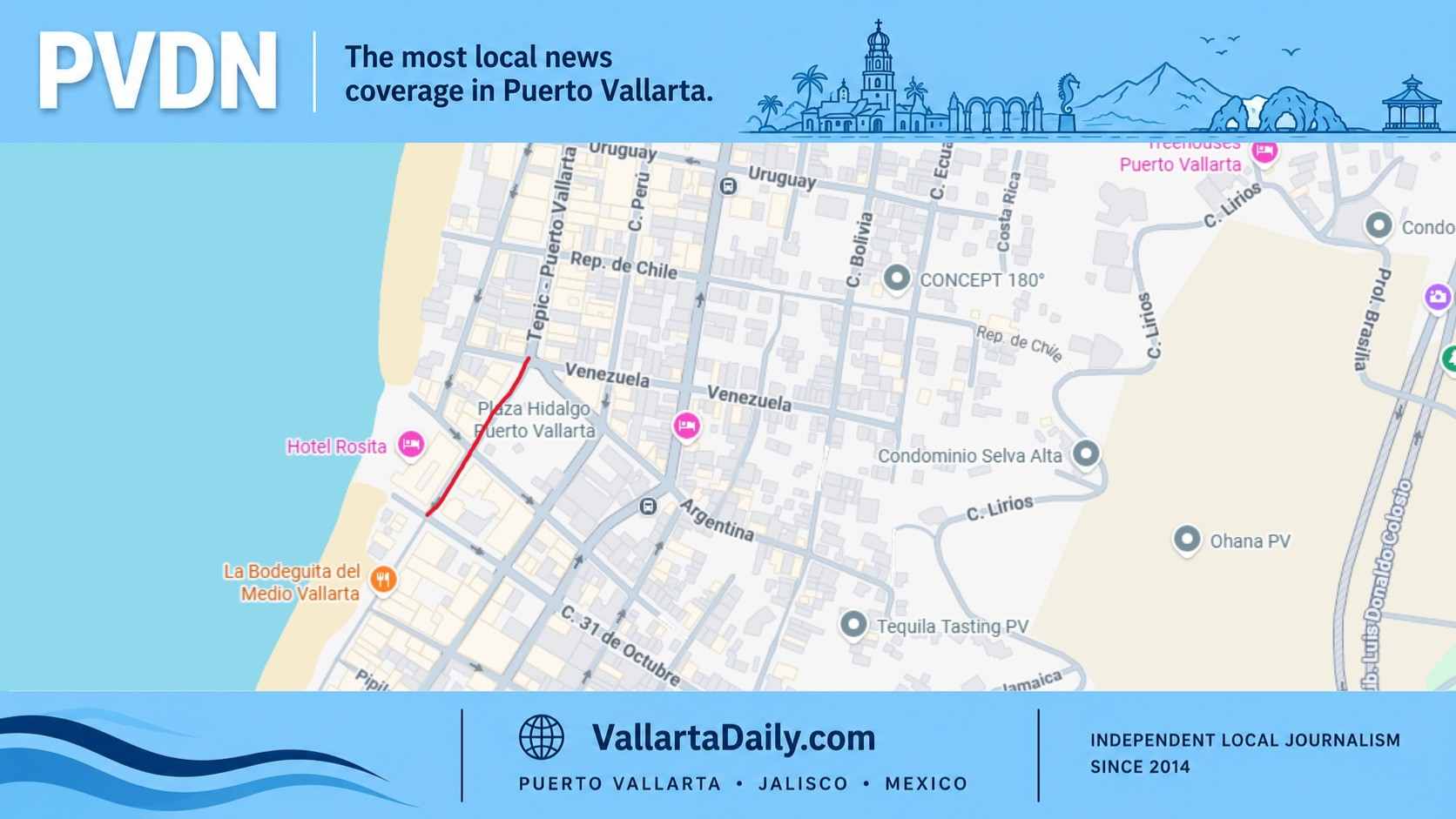
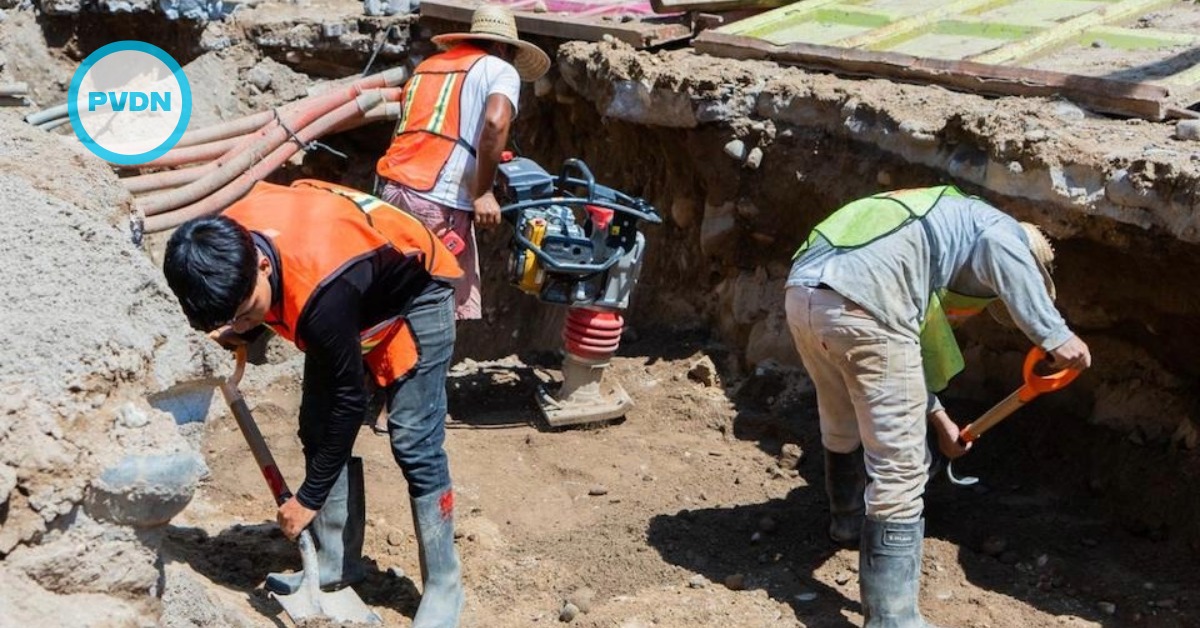
SEAPAL says it has completed a major sanitation modernization on Aquiles Serdán in the Emiliano Zapata neighborhood, an area where daily life mixes tightly with tourism. It’s the kind of work most people only notice when something goes wrong: a backup, an odor, a spill, a sudden trench that cuts off access to homes and storefronts.
For many expats who live nearby or pass through the area regularly, the payoff is simple. When the drainage system works, the neighborhood feels cleaner, the sidewalks feel more welcoming, and businesses don’t get blindsided by the kind of problems that can ruin a lunch rush or a fully booked week.
What SEAPAL says was replaced
According to SEAPAL, the project replaced 1,072 meters of aging pipe that had already surpassed its useful life. The work focused on a 20-inch sub-collector, along with a parallel 10-inch network intended to serve the same corridor, and it is designed to tie in 132 household and commercial discharge points.
In practical terms, the goal is added capacity and fewer choke points, reducing the risk of leaks, clogs, and wastewater overflows, especially when demand spikes. SEAPAL has also described the build as more durable for a street that sees constant movement, with access structures meant to hold up under heavy traffic.
Why this matters in Emiliano Zapata
Emiliano Zapata is not a “back street” neighborhood. It’s active, walkable, dense, and exposed. When infrastructure fails here, it doesn’t stay a private inconvenience for long. A drainage issue can quickly become a public one, affecting residents, workers, diners, and visitors on the same block within hours.
SEAPAL has repeatedly pointed to a wider challenge behind projects like this one: much of Vallarta’s water and drainage network is old, and the city has been paying the price in leaks, emergency repairs, and even street damage in some areas. Upgrading a key line in a high-use corridor is, in that context, a targeted attempt to reduce the kind of cascading problems that start underground and end up disrupting life above it.
What you’re likely to notice next
The most immediate change should be what doesn’t happen: fewer surprise closures, fewer urgent repairs, and fewer moments when a busy street suddenly feels like it’s operating on borrowed time. Over the coming months, the real test will be peak periods, when the neighborhood is at its most crowded and the system has the least room for error.
If the upgrade performs the way SEAPAL expects, Aquiles Serdán becomes a little less fragile. And in a place like Emiliano Zapata, where the pace rarely slows, that kind of reliability is its own quiet improvement.