Puerto Vallarta is quietly adding a new kind of luxury to its skyline—one built on old stone, shaded courtyards, and a sense of place you can’t replicate in a tower. A landmark hillside property near the historic center has just been folded into a state-backed network that certifies boutique stays inside restored haciendas and historic homes. The move sounds niche, but it hints at a bigger play: attracting travelers who come for heritage, privacy, and design, not just beach time.
A heritage badge for a Vallarta classic
Puerto Vallarta’s boutique hotel scene just picked up a new stamp of prestige, with Hacienda San Ángel joining Haciendas y Casonas de Jalisco, a statewide association that groups high-end stays in restored haciendas and historic homes. For travelers, the label is meant to signal more than pretty architecture. It’s a promise that the building’s story has been preserved, and that the modern hotel experience—comfort, service, and attention to detail—keeps pace with the romance of the setting.
Hacienda San Ángel sits above the historic center, in the kind of neighborhood where cobblestone streets and old stairways still shape the pace of life. The property’s appeal has always leaned into classic Vallarta: hillside views, a tucked-away feeling, and that slightly cinematic sense that you’ve stepped into someone’s private home rather than a conventional hotel.
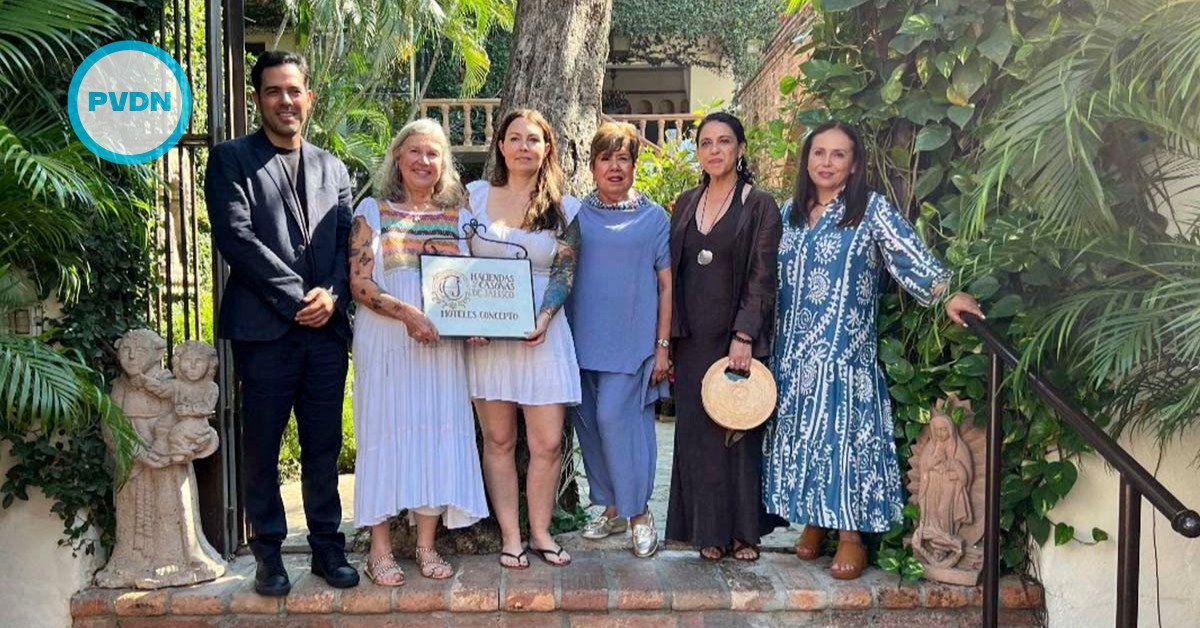
In early January, the hotel received its official plaque recognizing its entry into the association. The presentation was led by Jalisco’s Tourism Secretary, Michelle Fridman Hirsch, alongside the association’s president, Sergio Montaño, and was received by the property’s owner, Paula Castañeda. The public face of the ceremony matters because it frames this as part of a broader tourism strategy, not simply a hotel marketing moment.
What Haciendas y Casonas is really selling
Despite the name, Haciendas y Casonas isn’t trying to turn Puerto Vallarta into a countryside destination. It’s selling an idea: that heritage can be the product, and that a carefully restored building can compete with newer luxury options by offering intimacy and authenticity in a way big properties can’t.
The association says members must meet standards tied to conservation, infrastructure, and service quality. In other words, this is positioned as a curated network rather than a loose directory. Across Jalisco, the group spans both city and rural settings—some properties in metro areas, many in smaller towns and landscapes where the architecture and environment are part of the experience.
For Puerto Vallarta specifically, Hacienda San Ángel becomes the second property in the destination to carry the designation. That detail is easy to skim past, but it’s the real headline: the association is planting a flag in Vallarta, and it wants more boutique properties to qualify. The first Vallarta hotel to be included was Patio Azul, in Conchas Chinas, a neighborhood already known for private, view-heavy stays that cater to travelers who prefer quiet over crowds.
There’s also a reputational layer that matters for international visitors. Hacienda San Ángel’s membership announcement points to its record in the boutique category, including Michelin Key recognition in consecutive years—an accolade that, regardless of how closely a traveler follows awards, tends to land as shorthand for consistency and craft.
Why this matters for Vallarta’s tourism mix
Puerto Vallarta has never lacked places to stay. What it’s been working to expand—especially as travelers get more selective—is the range of experiences that feel “only here.” Boutique hotels in restored homes do something different than beachfront towers or all-inclusive resorts: they pull you into the older, more intimate version of the city, where the setting itself becomes part of the itinerary.
For expats living in Mexico, this kind of development is also a subtle signal about where Vallarta is steering its image. A designation built around heritage and restoration is, at least in theory, aligned with protecting character rather than flattening it. That doesn’t solve the bigger tensions around growth, but it does show that state tourism leaders and local operators see value in elevating preservation as part of the destination story.
Practically, it may also reshape how people plan short stays. Boutique heritage properties tend to appeal to visitors celebrating milestones, friends and family coming to town who want something more atmospheric than a standard hotel, and travelers who build their trips around food, design, and walkability. For Puerto Vallarta, that’s an audience that spends differently and often travels with a more deliberate itinerary—meals booked in advance, gallery stops, tequila tastings, day trips that go beyond the beach.
And for hotel owners across Vallarta, the message is clear: the bar is being defined publicly. If the association continues to expand in the city, more properties will likely seek the designation, nudging renovations and service upgrades toward a common benchmark—heritage-forward, high-touch, and quietly exclusive.
With information from Meridiano Vallarta, Quadratín Jalisco, Global Media, Haciendas y Casonas de Jalisco