Inspectors swept three nesting sites outside Puerto Vallarta and found homemade traps baited for the Vallarta mud turtle. Federal environmental agents disabled the devices on September 4 and warned that poachers are feeding a niche black market for one of Mexico’s most imperiled reptiles. The operation follows a brazen series of thefts from a university conservation program last winter. Today’s question is less about whether the species is rare and more about whether authorities and local partners can keep it alive in the wild long enough for recovery to take hold.
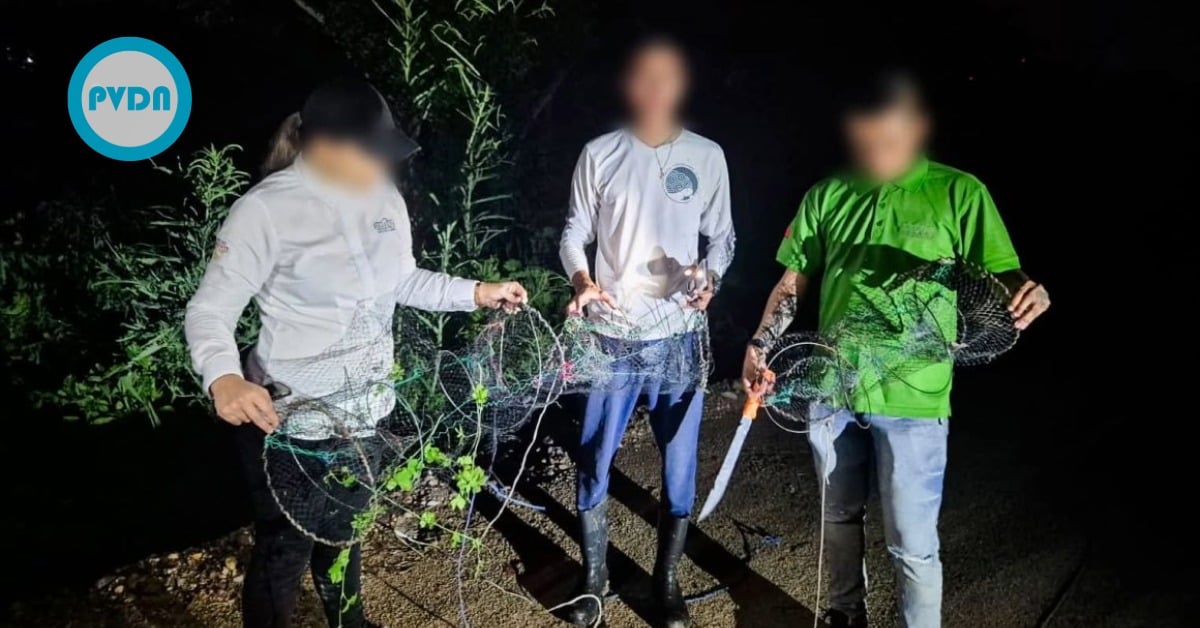
Environmental inspectors have disabled traps set for the Vallarta mud turtle after a sweep of three nesting zones around the Ameca River valley, which straddles Jalisco and Nayarit. Mexico’s environmental watchdog, Profepa, said the September 4 operation was carried out with the Jalisco State Highway Police and the state’s Participatory Environmental Surveillance Committee. The devices were intended to capture turtles for illegal sale, the agency said.
Profepa said it will maintain patrols and urged residents to report wildlife crimes. Investigators believe habitat loss and illicit trade are the main pressures on the species, and they noted signs that organized criminal groups may be involved in trafficking.
Vallarta mud turtle
The Vallarta mud turtle (Kinosternon vogti) is micro-endemic to lowland wetlands and small streams in the Ameca River valley around Puerto Vallarta. Scientists first described the species in 2018, documenting a distribution hemmed in by urban expansion and altered waterways. Field work and museum records point to a handful of localities and damaged habitat mosaics, which heighten poaching risk when animals concentrate in the last remaining pools.
On trade controls, the species sits in CITES Appendix I, the highest level of international protection, following decisions taken at the 2022 World Wildlife Trade Summit; the rest of the Kinosternon genus is listed in Appendix II. In Mexico, the turtle is listed as “in danger of extinction” under NOM-059-SEMARNAT-2010. Together, these designations make commercial international trade unlawful and place a burden on authorities to control take and transport.
A black market learns the name
For traffickers, rarity is the hook. In December 2024 and again in mid-January 2025, thieves posing as inspectors entered the University of Guadalajara’s CUCosta campus in Puerto Vallarta and stole dozens of captive Vallarta mud turtles maintained for conservation. Authorities opened a case and later strengthened security at the center; a suspect was arrested in June, though the animals were not recovered. Those raids helped teach the underground market that the species exists—and that it commands a price.
Profepa’s latest sweep fits that context. The agency reported that traps found on September 4 were placed across three nesting sites used by the species, part of a wider pattern of opportunistic looting and resale. Local outlets in Jalisco have echoed the warning that poachers are scouting accessible wetlands and canals near the city.
What recovery would take
Keeping this species on the landscape will require more than seizing traps. Conservation groups and academics argue for a two-track approach: secure the last wetlands and canals where the turtle persists, and build “assurance” populations under managed care as a hedge against local extirpation. Recent efforts include a dedicated conservation facility in Puerto Vallarta and collaborative work with the city and landowners to protect four known habitats. These projects aim to buy time while agencies enforce the law and while researchers clarify the turtle’s remaining distribution.
There are glimpses of hope. The Guadalajara Zoo recently reported a successful hatch of a Vallarta mud turtle, a technical milestone for a species notoriously difficult to breed under professional care. Captive success does not solve habitat loss, but it gives managers more options if wild numbers fall further.
The immediate ask
For now, Profepa’s message is plain: report traps, keep out of nesting zones, and do not buy wildlife. With Appendix I status and a federal “endangered” listing, any commercial trade is illegal—and each removed animal matters when the wild population is confined to a shrinking archipelago of ponds and drainage channels. The last few sites near Puerto Vallarta will decide the species’ future.