SEAPAL is trying to calm nerves ahead of Vallarta’s driest months, saying new wells and river-capture projects built in 2025 should keep taps running. But the same officials offering reassurance are also asking residents to prepare for the reality on the ground: old pipes still break, crews still shut down lines to fix leaks, and water pressure can dip without much warning. So what’s actually changing this dry season—and what should households do now to avoid getting caught mid-shower?
A confident message heading into the dry months
SEAPAL’s message for 2026’s dry season is straightforward: the city should have enough water. The agency’s director, Carlos Alberto Ruiz Hernández, points to a year of infrastructure work—especially projects tied to water production—as the reason the system is in a stronger position than it has been in recent dry seasons.
That reassurance matters because “estiaje” in Puerto Vallarta isn’t just a buzzword. It’s the predictable stretch when rivers run lower, groundwater levels dip, and the system has less natural “give” when demand rises. When supply and pressure are already tight, even routine maintenance can feel like a crisis at the household level.
Where SEAPAL expects the extra water to come from
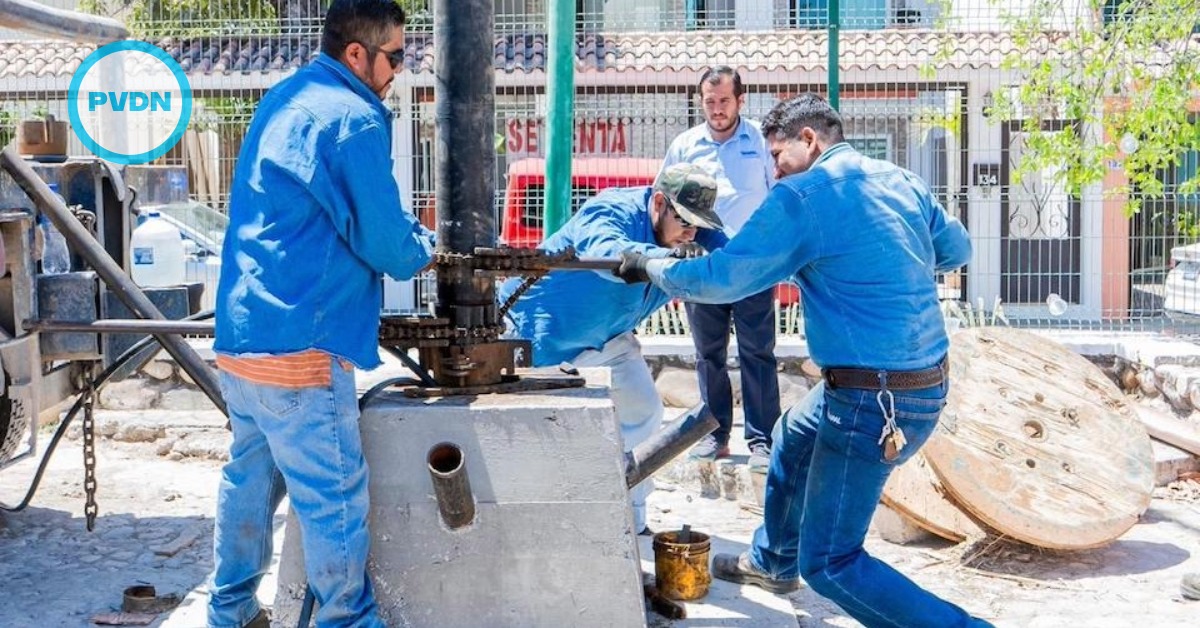
Much of SEAPAL’s plan leans on increasing production capacity from wells and strengthening intake infrastructure that feeds the distribution network. Among the projects highlighted are upgrades and rehabilitation of multiple wells, including the Pozo 1 system in Ixtapa and the Pozo 19 work in Las Juntas, as well as work tied to Pozo 38. SEAPAL has also described network improvements beyond the wells themselves, including interconnections and line rehabilitation intended to help move water more reliably across zones.
Another key piece is the additional flow SEAPAL has tied to Pozo 42, which the agency has said adds roughly 30 liters per second to the distribution network. In plain terms, those liters per second can be the difference between a neighborhood that holds pressure through the day and one that starts sputtering when demand spikes.
SEAPAL has also emphasized the role of “vertical galleries” connected to its radial well system, describing three galleries on the Río Mascota designed to inject about 120 liters per second into distribution—an increase the agency says should translate into direct benefits for a large share of the city. For residents, the significance is less about the engineering and more about the outcome: a system that can absorb the stress of peak season without sliding into constant low-pressure cycles.
Why “enough water” doesn’t always mean “water at your tap”
Even while insisting the overall supply is secure, SEAPAL is openly acknowledging what many residents already experience: interruptions will still happen. The reason is simple and frustratingly familiar—leaks, broken lines, and the stop-and-start reality of repairs in an aging system.
When crews have to intervene to repair a break, sections of the network can be temporarily shut down, and pressure can drop in surrounding areas. This is why SEAPAL is pairing its confidence about production with a very practical request: keep water stored at home. That recommendation isn’t presented as alarmist; it’s framed as a way to make short disruptions feel like inconveniences instead of emergencies.
SEAPAL’s own recent operational updates underline the scale of ongoing maintenance needs. In one December report, the agency described dozens of repairs in a single week across potable water and drainage networks. The takeaway isn’t that the system is failing—it’s that breakage and repair remain part of daily life, even in periods when overall production is improving.
What storing water looks like for most households
For many expats, the advice to store water is less about stockpiling jugs and more about making sure the home’s built-in buffering actually works. In Vallarta, that usually means a tinaco on the roof or a cistern feeding a pump. If you rent, it’s worth understanding whether your building’s tank is sized and maintained for the number of units, and whether the float valve and pump are reliable enough to keep the tank topped up when service returns.
SEAPAL has leaned into this reality with a public program that provides storage tanks to some households, essentially treating storage as part of the city’s resilience strategy rather than a luxury upgrade. The logic is simple: if short shutdowns are sometimes unavoidable, stored water makes them manageable for most families to ride out without missing basic needs.
None of this changes the bigger picture: SEAPAL is betting that 2025’s production-focused projects will carry the city through the upcoming dry season with fewer widespread shortages. But it’s also asking residents to meet the system halfway—because even a more capable network can still be knocked off balance by a single broken pipe at the wrong time.