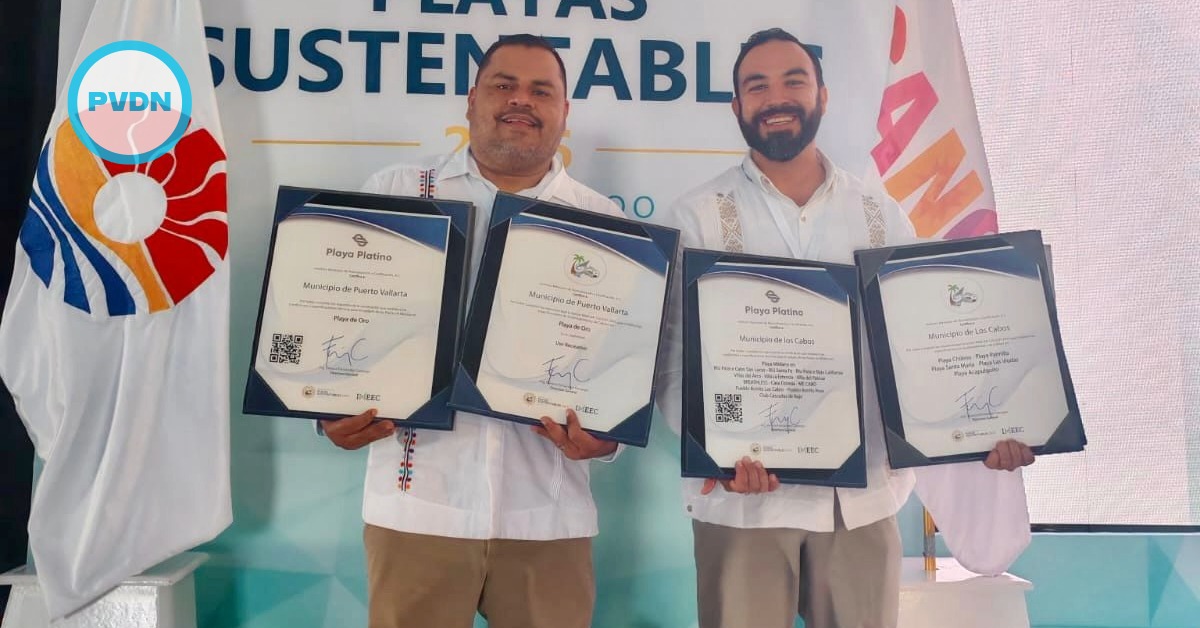
Puerto Vallarta just brought home a new stripe for its coastline. At a national gathering in Cancun, Playa de Oro earned the Puerto Vallarta Playa Platino distinction—Mexico’s homegrown seal for beaches that meet strict cleanliness, safety, and management standards. This is more than a trophy; it’s a signal that Vallarta’s beach program is maturing beyond seasonal cleanups and into year-round systems. The award also comes as the city pushes broader certifications, raising the stakes for how Mexico’s busiest bays balance tourism with genuine environmental care.
Puerto Vallarta didn’t just show up in Cancun—it showed receipts. During the 5th National Meeting of Sustainable Beaches, Playa de Oro earned the Puerto Vallarta Playa Platino distinction, a certification granted in Mexico to beaches that meet high standards in cleanliness, safety, tourist services, and environmental management. Local officials framed the moment as a citywide effort, not a podium photo: volunteers, hotel partners, and municipal crews have been logging the unglamorous work that keeps a coastline usable and safe. The seal matters because it is audited, renewed, and can be lost.
What exactly is “Playa Platino”? It’s a Mexican certification scheme managed by the Instituto Mexicano de Estandarización y Evaluación de la Conformidad (IMEEC), covering beach cleanliness, order, and safety with documented procedures, periodic evaluations, and re-certifications. In recent years, the institute has refreshed its identity, but the framework and audits remain the backbone, and participating municipalities cite it to standardize how they run public beaches.
Puerto Vallarta Playa Platino
The award was presented at a three-day meeting in Cancun from October 29–31, 2025, where municipalities compared playbooks and received new and renewed distinctions. Cancun’s own report notes 25 “Playa Platino” and “Playa Limpia y Sustentable” recognitions delivered at the event, with local beaches Delfines and Las Perlas recertified at higher levels. That independent confirmation is essential: it places Vallarta’s win within a national cohort and shows the process wasn’t a one-off plaque.
For Puerto Vallarta, Playa de Oro is a strategic pick. It’s central, heavily used, and already known to visitors for strong safety and services. It also carries an international flag: Playa de Oro has been listed among Puerto Vallarta’s Blue Flag beaches, the global eco-label that focuses on water quality, management, education, and safety. Pairing a Mexican certification with an international one sends a message about consistency: different standards, same direction—keep the beach clean, managed, and accessible, or lose the badge.
What the win changes—and what it doesn’t
The ceremony is the easy part. The hard part is routine: daily sand cleaning, audited waste management, lifeguard coverage, accessible infrastructure, and constant vigilance over water quality. Puerto Vallarta officials had been signaling this push for weeks, saying Playa de Oro was nearing Platino while the city advanced new files for Holi and parts of Camarones. Local reporting tracked those steps leading into late October, which aligns with the award’s timing in Cancun. Now, with the recognition in hand, the expectation tightens: the program demands ongoing compliance, not just kickoff enthusiasm.
At a national level, the Cancun meeting shows Mexican beach towns are professionalizing their coastal management. The host city’s briefing lists multiple municipalities and hotel partners receiving seals and recertifications, a reminder that public beaches live or die on the partnership between city crews and private operators who manage foot traffic and services behind the line of palapas. If Puerto Vallarta keeps leveraging that alliance—volunteers, hotels, maritime authorities—it can turn a single certificate into a more durable, year-round standard.