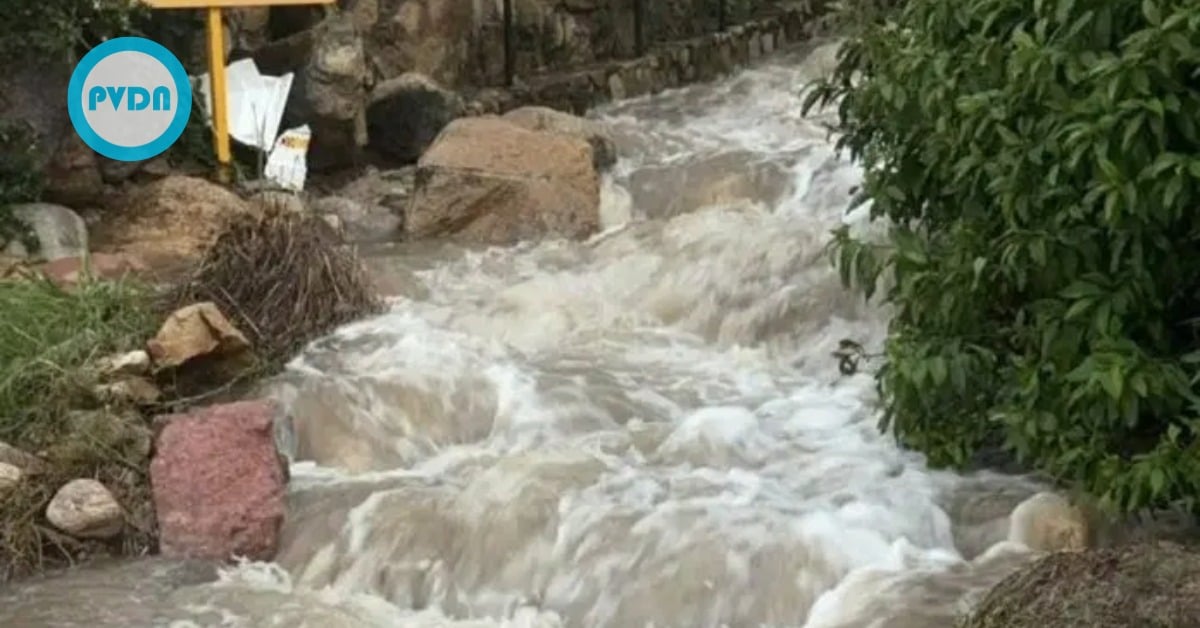
Heavy afternoon downpours turned a quiet stretch of Puerto Vallarta’s south shore into a fast-moving rescue scene. Beachgoers at La Esmeralda saw a nearby canal surge, cutting off a safe exit as water kept rising. Municipal Civil Protection moved in, cleared the area, and worked with local staff from Sierra del Mar to ferry people to safety. No one was hurt, officials said, but the day’s chaos carried past the Jalisco line into Bahía de Banderas, where a swollen ford stranded cars in both directions. Here’s what happened, and why these floods keep catching visitors off guard.
Puerto Vallarta rains
A sudden storm on Sunday, September 14, 2025, flooded a canal beside La Esmeralda beach and trapped a large group of visitors. Municipal Civil Protection evacuated 150 people—50 children and 100 adults—with support from Sierra del Mar personnel. Authorities reported no injuries.
La Esmeralda sits on the South Zone, between Garza Blanca and Las Gemelas, a pocket of small coves and steep hills. When hard rain hits, short, steep watersheds can surge quickly and cut off narrow access points.
What happened at La Esmeralda
Civil Protection teams answered an afternoon emergency call, reached the beach, and coordinated a staged exit to higher ground. Staff from nearby Sierra del Mar assisted with moving tourists and securing the area. The operation ended with everyone accounted for and no medical transports.
Officials did not announce beach closures for the South Zone, but responders reminded residents and visitors that canals and arroyos fill fast during peak bursts of rain. Even shallow-looking water can hide a strong current.
Flooding also hit Bahía de Banderas
Across the state line in Nayarit, a ford known as Las Piletas in El Colomo rose to about 80 centimeters, leaving vehicles stranded on both sides and isolating families until levels dropped. Local reporting documented the blockage and the slow clearing that followed. No injuries were reported there either.
These rural crossings draw weekend diners headed to country restaurants in the foothills. Sudden runoff can turn them into choke points within minutes. Drivers often underestimate the push of water against axles and doors.
Why the water rose so fast
The rains came as Tropical Storm Mario pulsed offshore in the eastern Pacific. The system strengthened again on Sunday, sending humid bands across the Jalisco and Nayarit coast. Forecast guidance indicates more rain is expected, but there will be no direct coastal impact. These bands are enough to tip small basins into short, sharp floods.
Summer into early fall is the peak rainy season in Bahía de Banderas. Downpours are common from June to September, with warm, moist air feeding fast-building storms in the afternoons and evenings.
What authorities advise now
Civil Protection and national risk agencies repeat the same rule each season: do not try to cross flooded streets, canals, vados, or arroyos—on foot or in a vehicle. Back away from low spots, look for higher ground, and wait for responders if you are cut off. Keep to marked access routes on beaches and heed lifeguard or police instructions.
For drivers headed into rural zones on the Nayarit side, avoid known fords during active storms. If the water is flowing over a crossing, turn around. The current can lift even heavy vehicles.