Anyone who’s tried to get a last-minute HIV test—or report harassment without knowing which office will actually help—knows how quickly “help” turns into a maze. Puerto Vallarta is betting on a simpler route. A new Módulo de la Diversidad has opened upstairs at UNIRSE, placing sexual health services and legal guidance inside a building people already visit for state paperwork. Organizers say the goal is practical: fewer barriers, less stigma, and a clearer path for LGBT+ residents and anyone else who needs support.
A new door inside UNIRSE
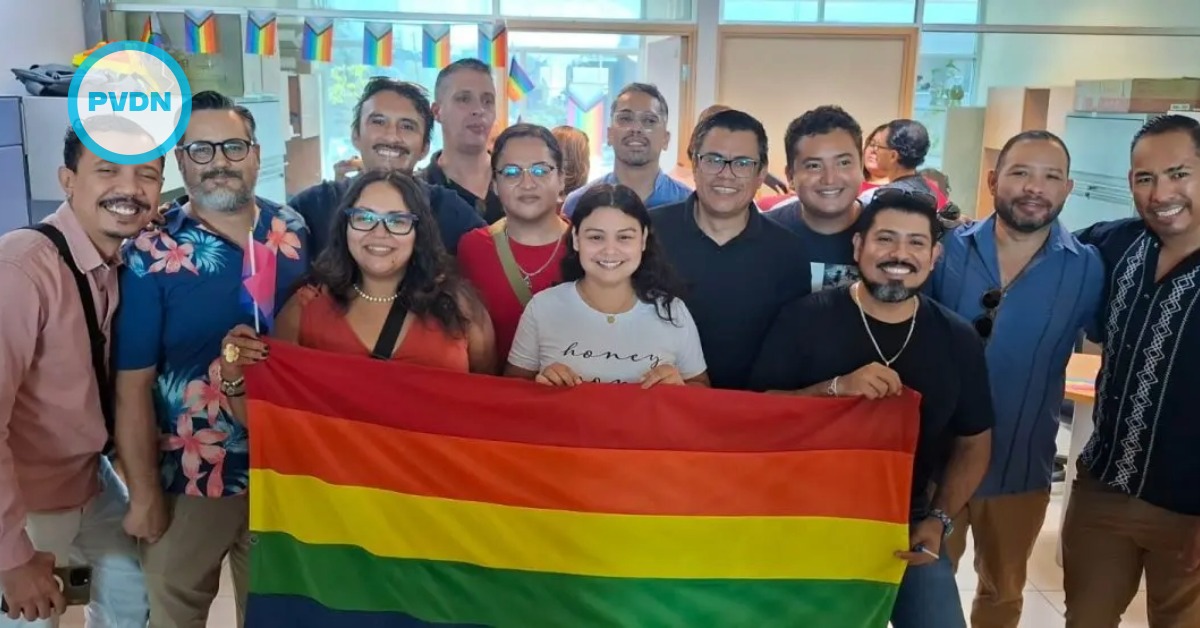
A small office on the upper floor of UNIRSE in Fluvial Vallarta is now dedicated to services aimed at people who often face extra hurdles when seeking care or justice. The Módulo de la Diversidad was inaugurated on Thursday, January 29, 2026, as a joint effort between civil society organizers and state government offices, with the idea of meeting people where they already are. UNIRSE is a high-traffic “one-stop” building for state services, and that foot traffic is part of the strategy: make support easier to reach, without asking people to travel across town or explain themselves repeatedly.
Health support with prevention at the center
The module’s health focus is straightforward and highly practical. It offers free testing for HIV, syphilis, and hepatitis, backed by an initial supply of rapid tests intended to cover the first months of operation. Beyond testing, staff will provide information and accompaniment related to prevention options such as PrEP, used before potential exposure to reduce the risk of HIV, and DoxyPEP, a post-exposure prevention approach being used in some settings to lower risk for certain bacterial STIs. Like any medication-based prevention, these options require proper medical guidance, and the module’s role is to help people understand pathways into care and follow-up.
Organizers also say the aim is to widen access beyond the areas where these conversations typically happen. Puerto Vallarta’s LGBT+ life is often associated with the Zona Romántica, but everyday health needs don’t stay confined to one neighborhood. The module is expected to expand reach toward communities such as El Pitillal and Las Mojoneras, where residents may not have had the same access to targeted prevention services.
Legal guidance designed to reduce the runaround
The second pillar is legal and institutional support for people dealing with discrimination, violence, or rights-related complaints. The module is set up to provide accompaniment and to help move cases through the system with fewer dead ends. A working table is tied to state entities that can receive complaints, investigate crimes, and provide services, including the state human rights commission, the state prosecutor’s office, the social services attorney’s office, and the women’s justice center. The intention, organizers say, is to reduce delays and avoid the kind of repetitive, exhausting process that can leave victims feeling bounced from desk to desk.
What it means for residents and newcomers
For locals, the promise is access without extra friction: testing, prevention guidance, and legal orientation in a setting that’s already “normal” to visit. For expats and newer residents, the value may be just as concrete. Navigating public services in Mexico can be confusing even when Spanish is strong, and it’s easy to delay care or drop a complaint simply because the first step isn’t clear. By anchoring these services inside UNIRSE, the module is trying to turn that first step into something obvious, visible, and easier to take.
The module is expected to operate during standard weekday hours, with appointments extending service later when needed. Organizers have also shared a WhatsApp contact for inquiries and scheduling.
With information from Quadratín Jalisco, Tribuna de la Bahía, Contralinea