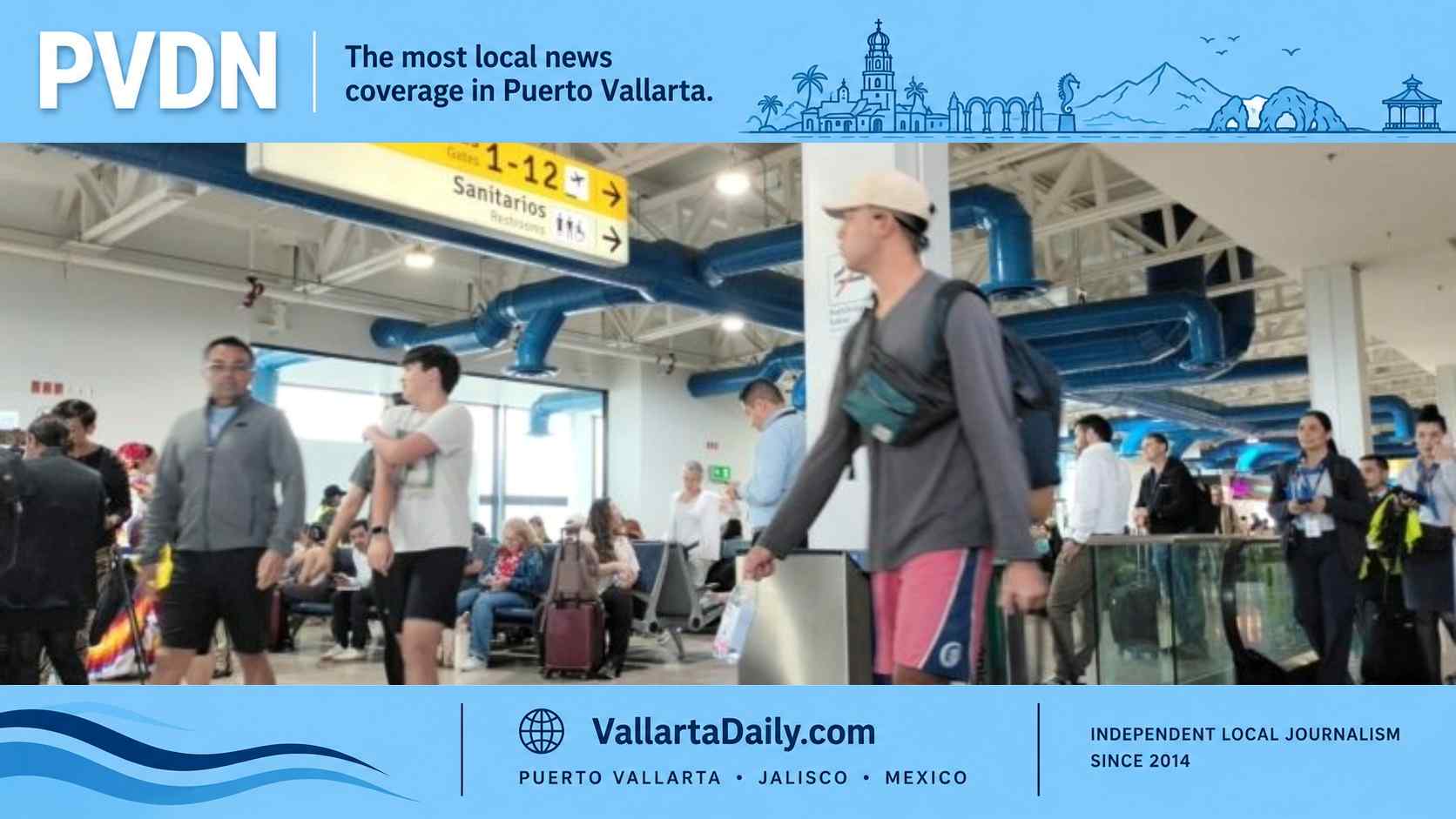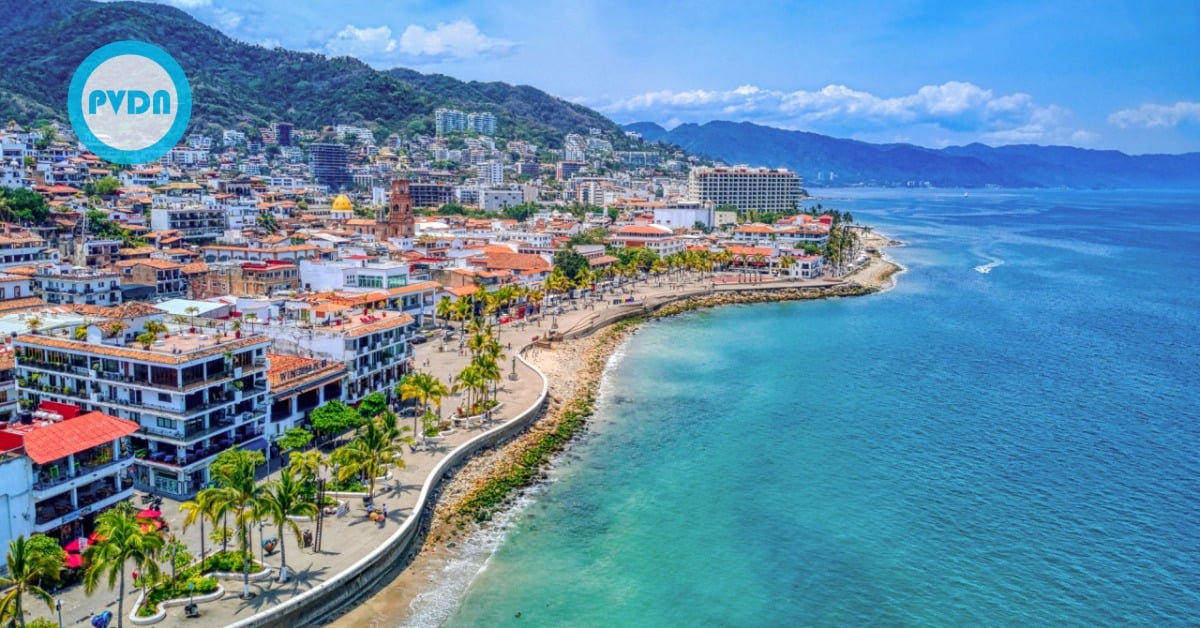
Puerto Vallarta didn’t just have a good summer. It had a seven-figure one. State tourism officials say that more than 1.5 million summer visitors packed the city in July and August, and the Fiestas Patrias long weekend added another 81,000 people, resulting in a half-billion-peso boost for local businesses. Hoteliers discuss steadier weekday occupancy, and restaurants report that spending held steady even in shoulder weeks. But the bigger story is what those numbers mean heading into fall—air capacity, cruise calls, and whether this momentum can last once the holiday glow fades.
Puerto Vallarta crossed a psychological threshold this season: more than one million arrivals in July and August alone, according to state tourism tallies summarized by local press and echoed by national outlets. The burst didn’t stop at summer’s end. Over the Independence Day “megapuente,” the city received roughly 81,000 additional visitors and generated MXN 502 million in local spending—up about two percent from last year—while hotels reported around 63 percent occupancy. For street-level businesses, this translated into full dining rooms, steady foot traffic, and longer taxi queues.
Puerto Vallarta summer visitors by the numbers
The headline figure—one million across July and August—comes as Jalisco’s broader tourism season reached 6.4 million visitors statewide, with an estimated MXN 13.8 billion in economic impact. Puerto Vallarta’s piece of that pie was substantial: national reports pegged local summer spending north of MXN 6.0 billion and singled out a strong week in late July when occupancy neared the mid-70s. The mid-September rush provided fresh evidence of demand resilience, especially in a year marked by airfare fluctuations and a weaker peso. The sustained draw helps explain why merchants report fewer “dead” weekdays and a more even spread of spending beyond the Malecón.
Behind the totals are familiar drivers: domestic families taking late-summer breaks, foreign visitors extending stays, and a calendar stacked with events that keep September from sagging. State tourism communications credit a coordinated push across destinations, while local coverage in Puerto Vallarta has emphasized both the raw volume and the improved yield. Hoteliers reported moderate but steady occupancy during the megapuente, which—coming after two heavy months—suggests the city isn’t only dependent on peak weeks to make its numbers.
The Independence Day weekend also showed how spending circulates—with average occupancy in the 60s and beaches crowded but manageable, restaurants, taxis, and small vendors reported brisk days without the saturation that can choke service. Officials framed the MXN 502 million figure as a favorable comparison with 2024, backing the view that travelers didn’t just come—they spent. For local planners, that matters as much as headcounts when they set expectations for October shoulder travel and the ramp into high season.
What the surge means next
Big summers can distort expectations. A million arrivals over two months sets a line that’s hard to match in slower quarters. Air capacity will be a tell: if fall schedules hold and winter adds frequencies, the city can smooth its curve instead of spiking and sinking. Cruise calls, which faced national policy uncertainty earlier in the year, are another variable; the federal decision to delay new cruise levies into mid-2025 removed one near-term headwind, and Puerto Vallarta’s port calendars benefited. If those calls translate to reliable weekday traffic, downtown merchants see an opportunity to protect their margins between weekend bursts.
There’s also the composition of visitors. Recent months have seen a healthy mix of domestic travelers and international guests opting for short, close-in bookings. That blend cushions the city when exchange rates or airline pricing wobble. Statewide figures show Guadalajara absorbing a large share of inland travel while Puerto Vallarta anchors the coast. If statewide momentum continues, Vallarta can continue to draw from both pools—families from the Bajío and repeat visitors from the U.S. and Canada—without leaning too heavily on any one segment.
For now, business owners are reading the same tea leaves as officials: volume is high, spending is holding steady, and the calendar remains favorable. The trick is converting a seven-figure summer into a stable fall. If carriers keep seats in the market and the port sticks to its schedule, Puerto Vallarta’s million-plus won’t look like a peak. It will serve as a baseline for the city to plan around.