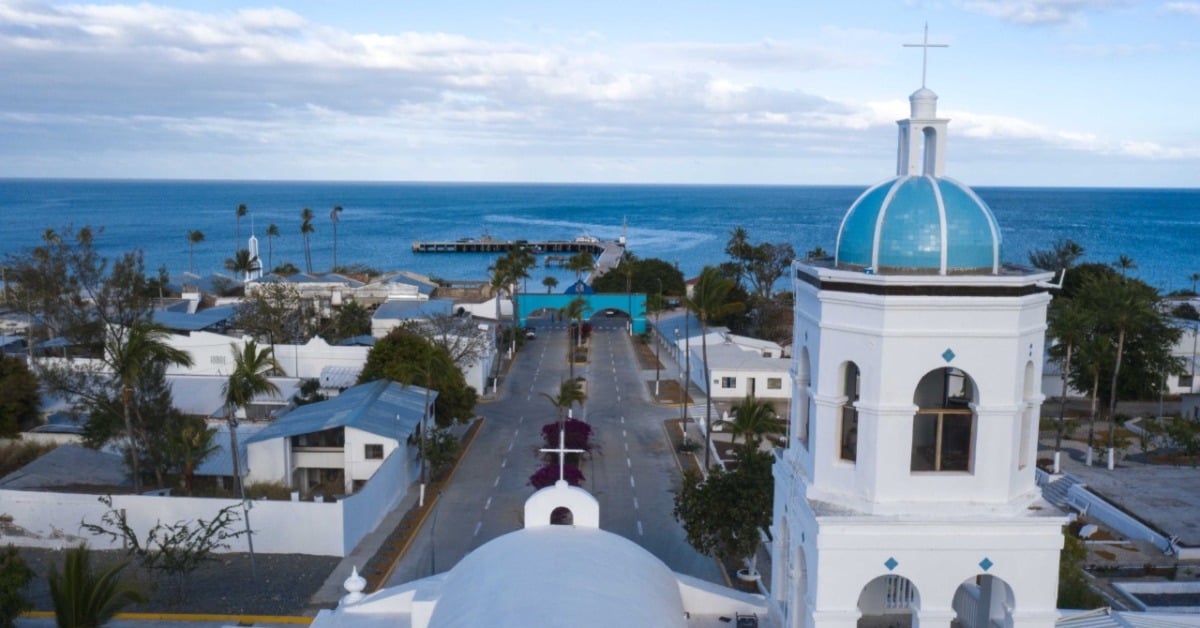
Puerto Vallarta is about to gain a new sea link to one of Mexico’s most guarded corners: the Islas Marías. The plan calls for Friday departures and two nights on María Madre with guided, low-impact circuits through historic prison sites, beaches, and overlooks. It is not a theme park. The archipelago is a federally protected reserve and a UNESCO Biosphere Reserve, so tours adhere to strict guidelines. Bookings from Mazatlán and San Blas are now live; Puerto Vallarta will follow as vessels and packages debut locally this week.
Puerto Vallarta will serve as a new embarkation point for the Islas Marías, Mexico’s remote Pacific archipelago reborn as an eco-cultural destination. Port and tourism officials presented the plan in the city, framing it as a sustainable route that connects visitors with the islands’ history and protected nature.
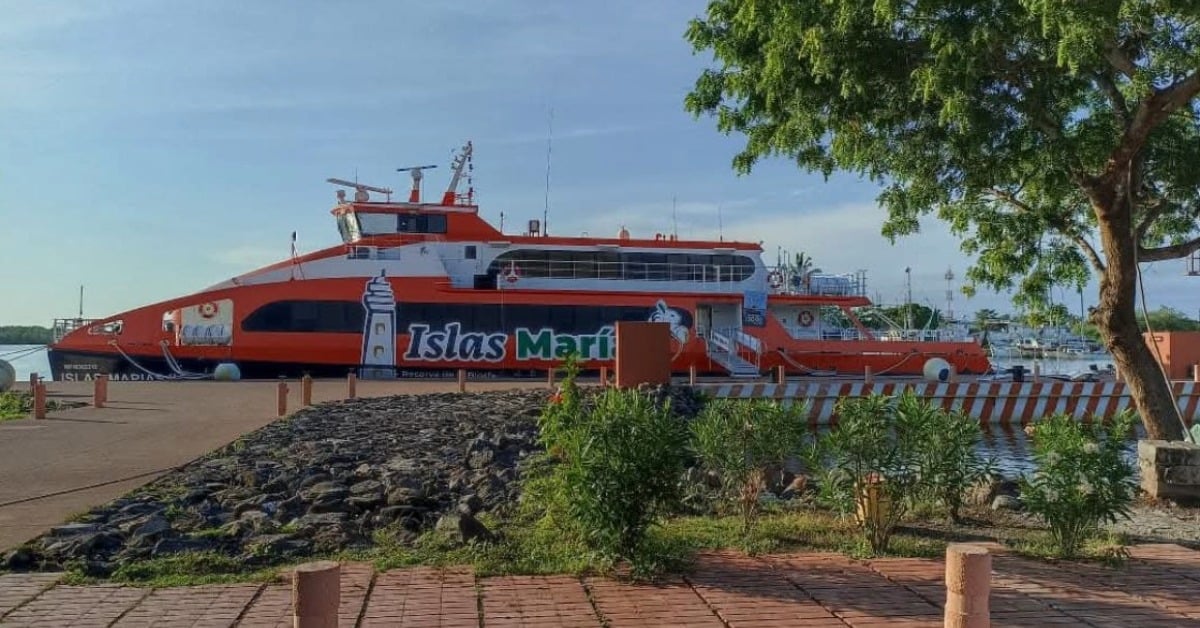
Organizers said ferries are planned to depart on Fridays at 8 a.m. and return on Sundays, mirroring the existing weekend rhythm from other ports. Vessel capacity is 199 passengers, according to published specifications for the fleet now serving Mazatlán and San Blas.
What visitors can expect on the island
Packages will bundle round-trip ferry service, two nights on María Madre, and meals. Lodging ranges from simple rooms to family houses with shared amenities. The on-island experience emphasizes guided, low-impact activities led by certified staff.
Core circuits include Chapingo and Valleto, sunrise hikes to the Christ statue and the lighthouse, evening stargazing with fundamental astronomy, and hands-on workshops. The official operator’s rules and site descriptions list the former Government House, Chapingo overlook, and the Muros de Agua auditorium among permitted stops.
A protected place, not a theme park
The Islas Marías are a federally decreed Biosphere Reserve and a UNESCO-recognized Biosphere Reserve under the Man and the Biosphere Programme. That status guides limits on access, movement, and extraction, and it requires tours to follow strict routes. Mexico’s management plan highlights the sensitivity of endemic wildlife and habitats.
Control of tourism operations sits with the Navy and its state-owned operator, part of the post-prison conversion that created the environmental and cultural education center “Muros de Agua José Revueltas.” The pivot aims to fund conservation while opening a new chapter in national history to the public.
The history tourists will walk through
For more than a century, María Madre held a prison colony. Writers like José Revueltas left indelible accounts that today frame the interpretive program. Visitors now see cells and civic buildings in context, alongside contemporary exhibits and a crafts market near the island’s Mandela Arch.
The federal government inaugurated controlled visits in late 2022. Since then, departures from Mazatlán and San Blas have operated on a weekly cadence, with flights from Tepic added later to the airstrip at Puerto Balleto.
Where Puerto Vallarta fits today
The Puerto Vallarta to Islas Marías route is transitioning from announcement to launch. As of August 27, 2025, the official booking portal lists Mazatlán and San Blas routes, with a third departure labeled “coming soon.” Local authorities say Puerto Vallarta is next, and promotional events in the city this week showcased the vessels and packages.
Travelers should expect controlled capacity and set itineraries once sales open. That is by design. The reserve’s rules prioritize conservation and require guides, fixed trails, and limits on free roaming. If you have visited Marietas, consider this: it is a living reserve with people, history, and sensitive habitats.
Practical notes to plan ahead
Book early when sales appear, especially for peak dates. Current ferry journeys from existing ports run weekly on a Friday-to-Sunday cycle, and the 199-passenger limit keeps inventory tight. Flights from Tepic have operated on select days and land at Puerto Balleto’s naval airfield; they are not commercial airline services.
On the island, expect set-menu buffets, beach club access, and museum visits to be included in the package price, with additional activities available for an extra cost. The operator’s own terms outline what is allowed and how guides enforce routes for safety and environmental protection.