Puerto Vallarta tourism is projected to draw 306,359 visitors, lift hotel occupancy to 85%, and generate over 2.175B pesos this season.
Puerto Vallarta is expected to receive 306,359 visitors during the core holiday travel period, according to projections compiled by the Jalisco Ministry of Tourism. The state estimates the city’s economic impact will exceed 2.175 billion pesos, with hotel occupancy projected at 85%. The ministry’s forecast also points to a year-over-year gain, with the headline figures up by three percentage points compared with last December’s season.
Those numbers matter because Vallarta isn’t just one destination in Jalisco’s winter mix. It’s the state’s main beach draw, and the spending tied to Vallarta is projected to account for about half of Jalisco’s total holiday tourism revenue during the period covered by the state estimate. In other words, if Vallarta has a strong season, the whole state’s tourism story looks stronger too.
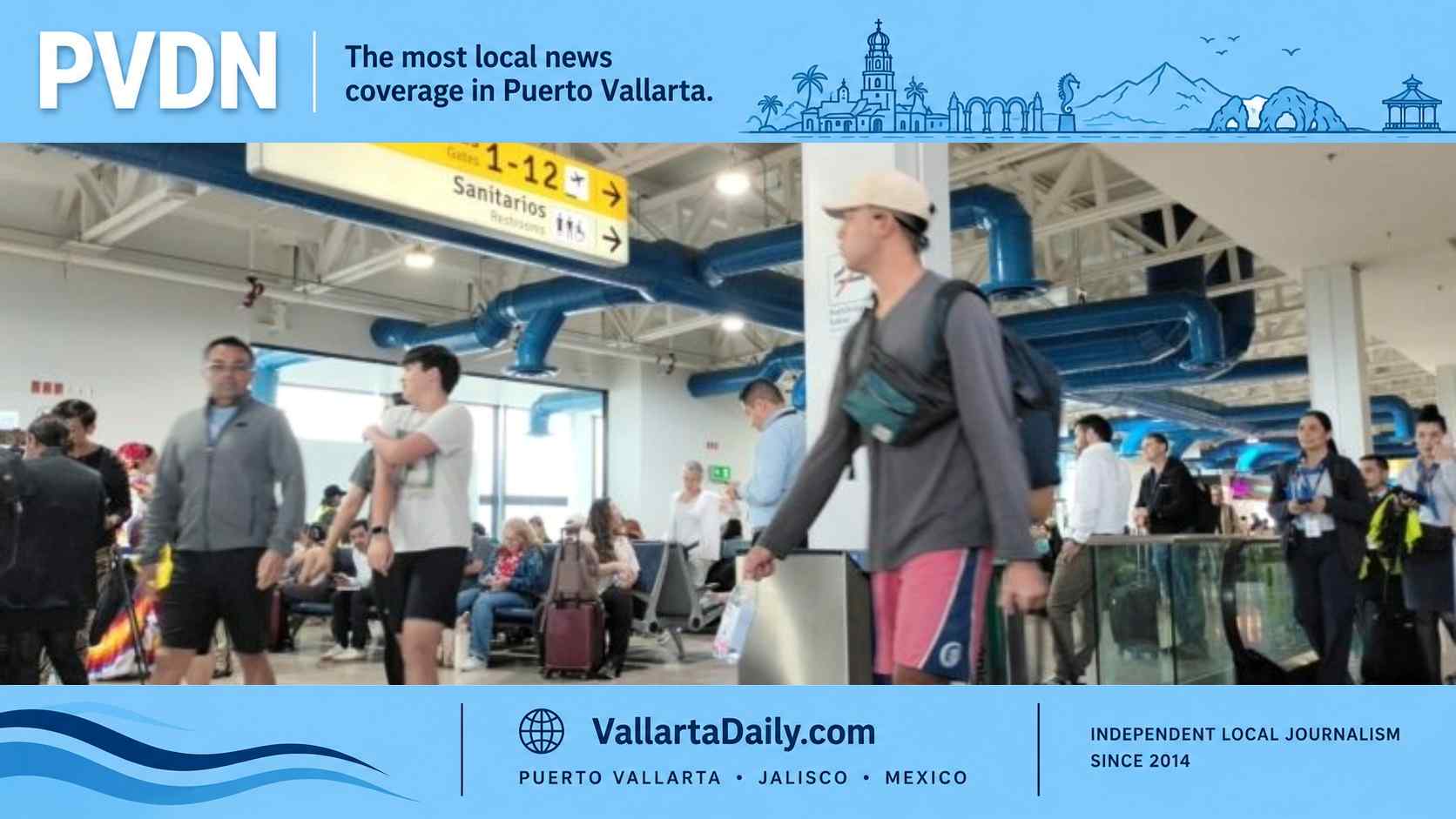
For residents, especially expats who live here year-round, the same figures translate into something more practical: the city is likely to feel “full” for stretches of the holiday window. That can show up in packed flights and long airport lines, higher hotel rates, heavier traffic on the main arteries, and a noticeable squeeze on last-minute reservations for restaurants and tours.
What an 85% occupancy season looks like on the ground
An 85% hotel occupancy projection is high by any standard, and it is one reason the state is talking about this season with confidence. At that level, the market has little slack. Hotels can sell through room inventory quickly, and the overflow starts pushing demand into short-term rentals, smaller properties, and nearby areas that are usually easier to book on short notice.
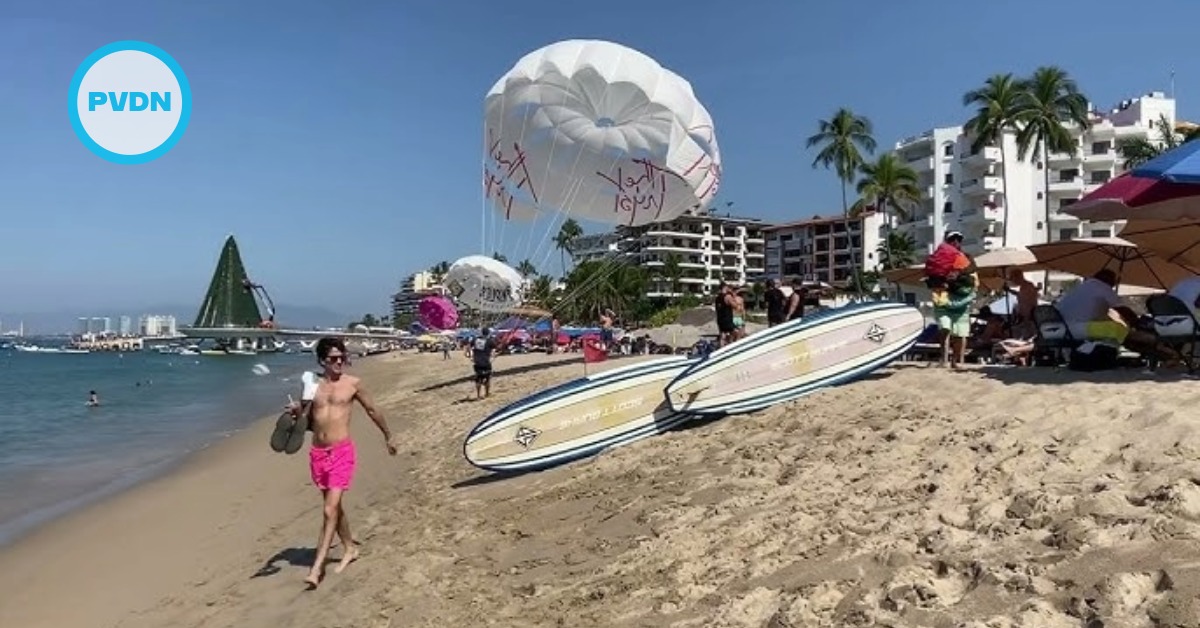
It also tends to change the daily experience of the city. Vallarta’s busiest weeks compress everything: check-in and check-out traffic clusters at predictable times, taxis and ride-hails get harder to catch at peak hours, and popular beachfront zones take on a festival feel even on ordinary afternoons. For locals, that can be both energizing and exhausting. For businesses, it often means a short, intense sprint where a big chunk of annual revenue arrives in a few weeks.
The state’s projection frames the season as a confirmation of tourism strength, pointing to the diversity of what visitors can do, plus air and highway connectivity, and coordination with municipal governments. That combination is key in Vallarta’s case. The destination isn’t selling a single product. It’s selling the beach, the food scene, whale season, day trips, nightlife, and a steady calendar of winter travel habits that repeat year after year.
Connectivity is part of the story, and it is still expanding
Jalisco officials have tied the holiday outlook to how easy it is to reach the state by air and by road. Vallarta benefits from both. The airport sits at the center of the winter flow, especially for travelers coming from outside Mexico, and the highway network feeds in domestic visitors looking for a beach break without the complexity of flying.
That access is also being reinforced by longer-term infrastructure moves. The airport operator that manages Puerto Vallarta’s facility has described expansion plans designed to increase capacity over time, including a new terminal intended to significantly boost how many passengers the airport can handle. Projects like that don’t change this holiday season overnight, but they help explain why the state leans so heavily on “connectivity” when it sells Vallarta’s future.
It also helps explain why the government keeps projecting growth even in a mature destination. When travel becomes easier and capacity expands, the ceiling rises. Vallarta has already proven it can run at peak occupancy during strong weeks, and federal tourism monitoring data from earlier in 2025 shows the city reaching the mid-80% range in a peak period. The state’s holiday projection is essentially betting that the winter calendar will deliver that same kind of demand again.
The Magical Towns are gaining momentum, even with smaller numbers
The holiday story isn’t only about Vallarta. The state’s projections also highlight stronger activity across Jalisco’s Magical Towns, which are expected to receive a combined 169,197 visitors, up 4% compared with the December 2024 season. The estimated economic impact is 255.8 million pesos, a projected 5% increase, while average hotel occupancy is expected to reach 41.8%, up 3.6 percentage points.
The occupancy figure is lower than Vallarta’s for a simple reason: these are smaller markets with different travel patterns. Many visitors arrive by car, some stay in day-trip mode, and lodging supply and demand are spread across multiple towns rather than concentrated in one dense hotel corridor. Even so, the upward trend matters. Places like Tapalpa, Mazamitla, Tequila, Talpa de Allende, and San Sebastián del Oeste have become reliable December choices for travelers who want cooler air, weekend road trips, or a change from the beach.
For Vallarta residents, that shift can have a subtle effect. When nearby inland destinations pull some travelers into regional circuits, it can slightly diversify where holiday spending lands. The beach still dominates, but the season’s economic benefits are less “single-city” than they used to be. That matters for Jalisco’s broader tourism pitch, and it matters for communities that depend on a strong December to carry them through the slower parts of the year.
What this holiday wave means for people who live in Vallarta
If you live here, this projection is less about bragging rights and more about planning. The state’s forecast points to a busy run from December 20, 2025, through January 6, 2026, which lines up with the days when families travel, offices close, and winter visitors arrive in waves. Expect the city’s tempo to change, especially in the zones that sit closest to the beach and the main visitor corridors.
There’s also a bigger question sitting behind the cheerful numbers: who benefits most from a season like this, and how widely does the impact spread? The state’s “economic impact” figure is a useful headline, but in real life it depends on where people spend, who employs local workers, and whether smaller businesses can compete for that holiday peso. A strong season can lift everyone, but it can also expose pressure points, from mobility to service capacity to the simple fact that a city built for residents is temporarily asked to behave like a resort.
For expats who call Vallarta home, the best way to read the projection is as a warning and an opportunity at the same time. The warning is obvious: it will be crowded. The opportunity is quieter: this is when many local businesses make the money that keeps them alive through the year. How that trade-off feels depends on your neighborhood, your work, and your patience for holiday season energy. Either way, the state is making its bet clear. Vallarta is still the engine of Jalisco’s winter tourism, and this year it expects that engine to run hot.