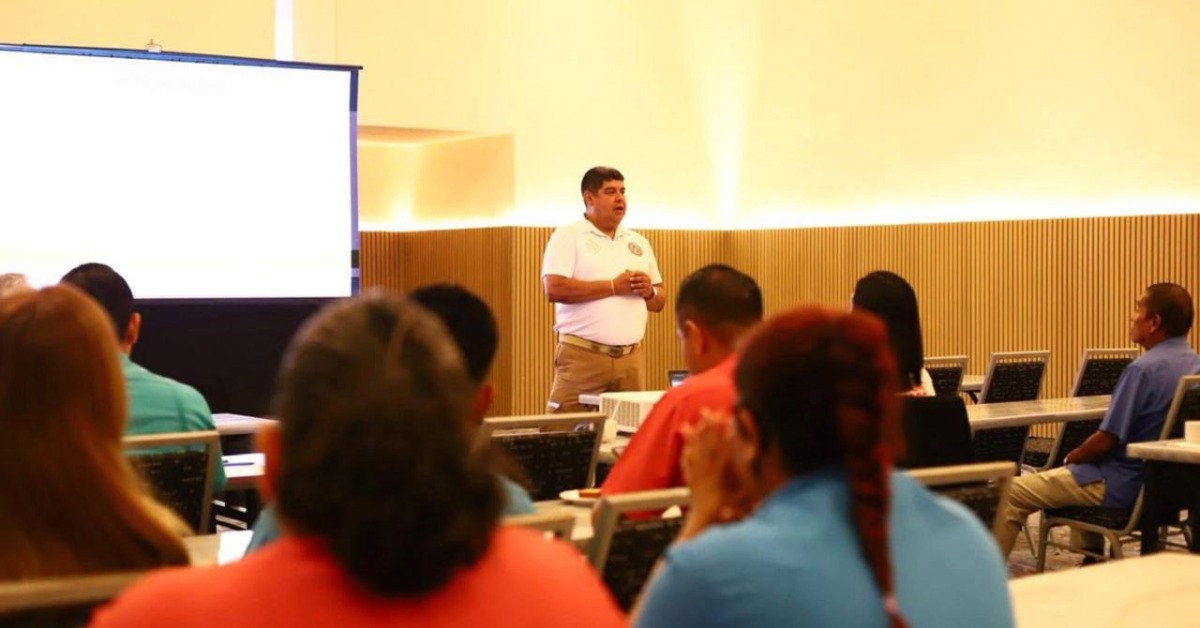
Puerto Vallarta Civil Protection and Fire Department personnel trained Hyatt Ziva employees in risk management and emergency response as part of a municipal effort to improve readiness in tourist spaces. The session focused on hazard identification, basic decision-making during a crisis, and immediate response measures meant to protect both guests and employees.
The training was designed for a setting where large numbers of people move through the property every day. In a hotel, the first minutes of an emergency often depend on staff who know the layout, can identify the threat, and can direct people clearly. That matters even more in a destination where many visitors are unfamiliar with local warning systems, evacuation routes, and the kinds of hazards that can affect the region.
Why this matters in Puerto Vallarta
For international readers, the local context matters. Puerto Vallarta is a beach destination, but it is also a city exposed to various risks. Local civil-protection materials identify tropical cyclones, extreme rainfall, flooding, and storm surge as hazards to monitor. The training described this week also covered earthquakes and other natural events that can disrupt normal hotel operations with little warning.
That does not mean a new threat is developing right now. It means local authorities are treating preparedness as part of daily tourism management. In practice, that can include knowing how to move people out of a building, how to keep exits clear, how to report a problem fast, and how to avoid panic in crowded areas. In a hotel zone, those basic steps can have an outsized impact because guests may not speak Spanish, may not know the property, and may be traveling with children or older relatives.
Part of a broader municipal safety push
This latest session also appears to fit a broader pattern. Municipal records show Puerto Vallarta’s Civil Protection and Fire Department has been running ongoing training and prevention work well beyond emergency callouts. In a quarterly activities report covering late 2025, the department said it delivered 24 courses, benefiting 146 companies and 584 people. That suggests the city has been building a wider culture of preparedness across businesses, not just reacting after incidents happen.
Recent local safety efforts point in the same direction. Puerto Vallarta has conducted large-scale public drills, tested tsunami-warning infrastructure, and organized holiday operations for beaches, roads, and other crowded areas. The common thread is simple: a resort city cannot rely only on first responders arriving after something goes wrong. It also needs trained workers already on-site where an emergency is most likely to affect visitors.
What visitors and residents should take from it
For foreigners living in or visiting Puerto Vallarta for extended stays, the main takeaway is practical. Hotel training is not just an internal workplace matter. It is part of how the city protects people in spaces that are central to the local economy. A trained hotel worker may be the first person to notice a risk, trigger a protocol, or help a guest understand what to do next.
The decision to train staff at Hyatt Ziva also reflects a broader reality of life in Mexico’s coastal destinations. Tourism infrastructure is expected to operate under real environmental pressures, especially during the rainy season and periods of heavy travel. When authorities and private businesses coordinate before a crisis, the goal is not to create alarm. The goal is to reduce confusion, speed up response, and make crowded spaces safer when every minute matters.