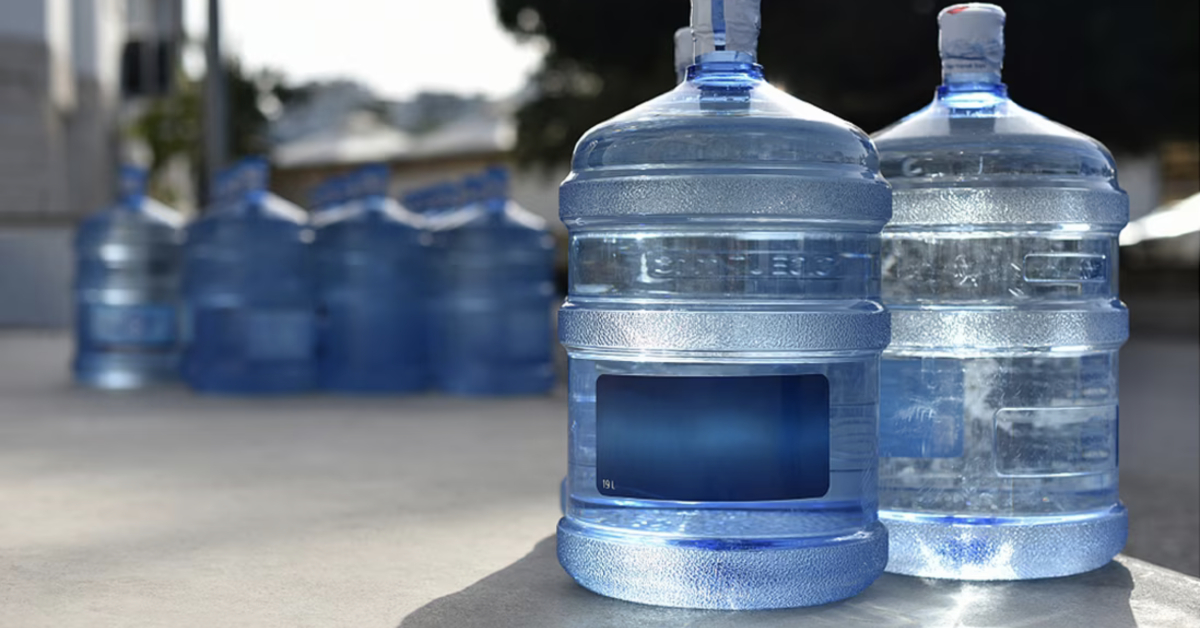
New tests reveal purified water quality is failing at Mexico City refilling stations, with two‑thirds of samples showing harmful bacteria and high solids levels.
Access to safe drinking water is a fundamental right. Yet this June’s analysis by the Mexican Association for Proper Hydration, Agua en México, exposes a worrying collapse in confidence: most purified water sold in bulk at refilling stations across the Mexico City metropolitan area fails basic safety standards.
Systemic Contamination Across the Metro Area
Agua en México collected 21 water samples from five Mexico City municipalities and Naucalpan, then had them tested in a COFEPRIS‑certified lab under the NOM‑201‑SSA1‑2015 standard. The findings were stark:
- 67% of samples contained total coliform bacteria, which proliferate in fecal matter and can trigger gastrointestinal illnesses. Proper purification should eliminate them entirely.
- 68% exceeded allowable levels of total dissolved solids, impacting taste and raising doubts about overall purity.
- 33% showed turbidity above permitted limits—particularly troubling in Milpa Alta, where reliable piped water is already scarce.
- 43% (9 out of 21) surpassed residual chlorine thresholds, suggesting disinfection processes are miscalibrated or otherwise inadequate.
All municipalities saw at least one non‑compliant sample. In other words, this isn’t an isolated glitch in a single neighborhood—it’s a system‑wide breakdown. Residents buying water jugs in good faith may be unwittingly exposing themselves to daily health risks.
Understanding Purified Water Quality Failures
The roots of the problem appear structural. Independent investigators point to poorly maintained equipment, lax hygiene protocols, under‑trained staff and virtually no oversight. Refilling stations operate without the rigorous controls expected in public utilities, yet they serve millions who lack alternatives.
Without regular inspections and strict enforcement of standards, water sellers have little incentive to invest in proper training or maintenance. Authorities tasked with safeguarding public health remain conspicuously absent from routine audits. The result is a fragmented industry in which “purified” often means “minimally treated.”
Health Implications and Public Trust
Coliform bacteria in drinking water can cause cramps, nausea, diarrhea and more severe gastrointestinal disorders—especially dangerous for children, the elderly and immunocompromised individuals. High solids and turbidity don’t always cause acute illness, but they undermine trust and mask deeper failures in filtration and disinfection.
For many households, buying water by the barrel is the primary means of avoiding contaminated tap supplies. When that lifeline falters, citizens must weigh cost against risk: shell out for bottled water; invest in home‑filtration systems; or hope that today’s jug doesn’t carry hidden threats.
Where Is the Oversight?
Consumer groups and public‑health advocates are demanding clarity. Which agencies are responsible for routine testing? Why aren’t inspection reports publicly available? And what penalties face station operators who repeatedly flunk standards? Until these questions receive concrete answers, the crisis is likely to deepen.
Water Bienestar: A Missed Opportunity
The Mexico City government launched Agua Bienestar as a low‑cost, socially responsible alternative—but this study couldn’t evaluate it. At time of sampling, no staff were present at distribution points, jugs ran out, or the product simply wasn’t stocked. Its performance remains a mystery. Future analyses must include Agua Bienestar to determine whether it delivers on its promise or perpetuates the same risks.
Civil society, consumer advocates and the media have kept this issue alive for years. But lasting change demands coordinated action: comprehensive regulation, transparent monitoring and accountability for station operators. Until then, residents face the unsettling choice between unsafe tap water and potentially tainted purified water.
Safe water isn’t a luxury—it’s a human right. When refilling stations fail to meet basic standards, that right is washed away in broken jugs and empty promises. It’s time for authorities to step up, enforce the rules and ensure that water marketed as “purified” is genuinely safe to drink.
Mexico City, purified water, water quality, Agua en México, refilling stations