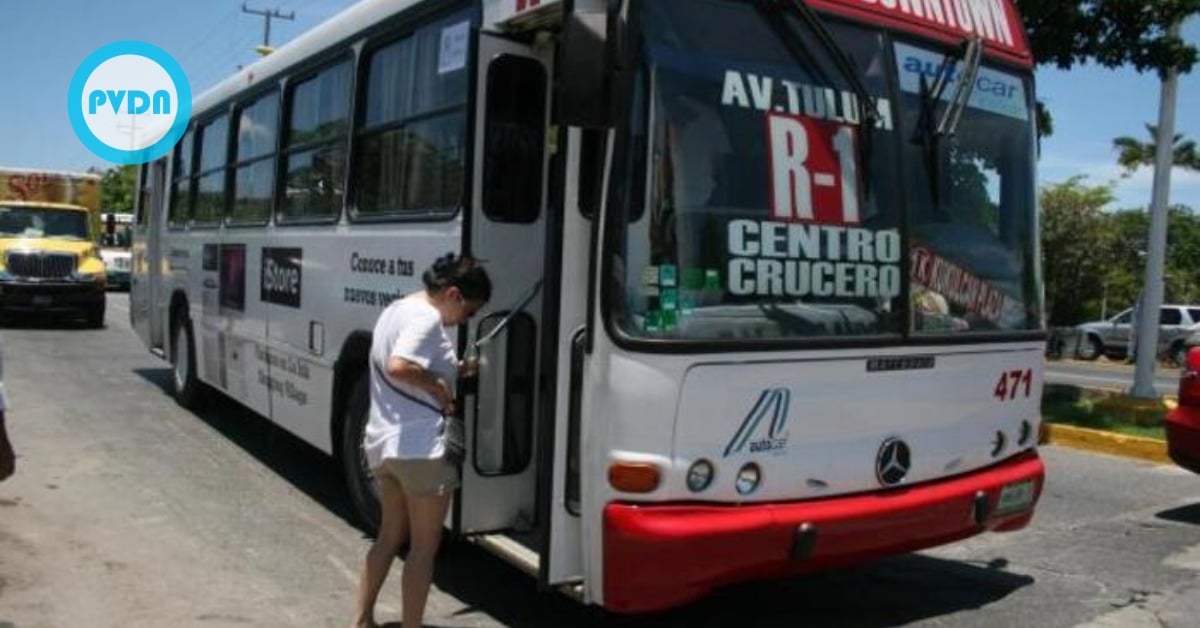
Quintana Roo just asked its residents a tricky question: Would you pay more for a ride if the ride were finally improved? Early results from a statewide mobility consultation indicate that 82% support an update to bus fares if service improves. People want cooler, safer buses, shorter wait times, and fair rules that everyone follows. Officials say more than 25,000 people weighed in across all 11 municipalities. Now comes the test: turning that mandate into timelines, contracts, and real upgrades riders can feel on hot afternoons and crowded commutes.
Quintana Roo bus fares may be headed for an update after a statewide consultation found overwhelming, conditional support for paying more in exchange for better service. According to preliminary results, 82% of participants favored updating the fare only if quality improves—from newer vehicles and safer operations to more reliable routes. The state tallied more than 25,000 voices across the 11 municipalities, combining digital forms, in-person surveys, and direct comments, Governor Mara Lezama said.
State outlet Quadratín reports that the consultation captured over 16,000 digital surveys, approximately 8,000 on paper, and 12,000 direct opinions —a mix that officials frame as broad and representative, although not a formal vote. Authorities promoted the exercise as a way to steer a mobility overhaul focused on efficiency, safety, and inclusion. Results were described as “preliminary,” with fuller breakdowns expected as agencies consolidate the data.
What riders said they want
The headline number—82% support with conditions—masks a simple message from riders: they’ll pay more if they get more. In recent coverage, people cited basics that have felt out of reach for years: buses with working air conditioning, fewer standees, courteous and well-trained drivers, and schedules you can trust. Students echoed that stance in Cancún, backing an increase tied to tangible upgrades. These are not luxury requests; they’re the minimum requirements for a system that processes hundreds of thousands of transactions every day.
Behind the scenes, officials are discussing technical details. The State Mobility Institute (IMOVEQROO) has floated a “technical fare” that reflects the real per-passenger cost—about 21–24 pesos—while riders today commonly pay 12–15 pesos, depending on the unit. Any shift toward that gap will live or die on whether contracts lock in improvements and enforcement, not just promises.
What changes—and when
The consultation is not the final word; it’s a mandate to act. Authorities have suggested that the results will inform a new state transportation plan, featuring route redesigns, larger-capacity buses, electronic payment options, and enhanced oversight. Some reports indicate 2026 as a possible year for tariff adjustments, which leaves a runway for negotiating service conditions and timelines with operators. The point now is credibility: if the state raises fares before riders feel they are getting better service, trust will crater. If upgrades arrive first—or at least alongside the change—the politics look different.
Officials have celebrated the turnout, citing 25,000+ participants on social channels. That enthusiasm matters, but so will transparency: publishing the instrument, the raw counts, and the methodology for “preliminary” versus final results. With a number as stark as 82%, the public will expect a clear paper trail—and regular progress checks as buses and routes are replaced, schedules tighten, and the heat inside vehicles drops to something humane.