Governor Mara Lezama and Edna Vega Rangel, head of Mexico’s Ministry of Agrarian, Territorial and Urban Development (SEDATU), met in a follow-up session to accelerate land legalization efforts in some of the state’s most densely populated and strategically important areas.
The meeting reviewed ongoing work in Colonia Colosio in Playa del Carmen and projects linked to the Chetumal fairgrounds, alongside evaluations of the state’s Urban Development Programs (PDUs). The goal is to bring legal certainty to thousands of residents while ensuring that growth remains structured and sustainable.
Officials say these measures form part of the Nuevo Acuerdo por el Bienestar y Desarrollo de Quintana Roo, an overarching plan to integrate economic development with social equity and environmental stewardship.
Colonia Colosio’s long wait for titles
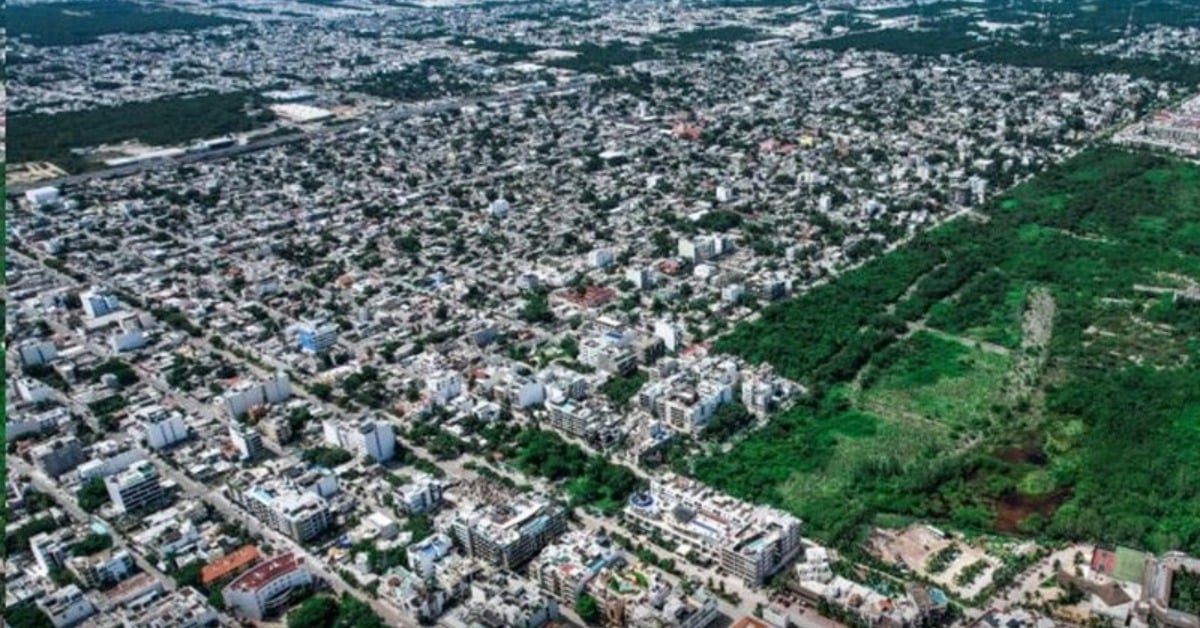
Colonia Luis Donaldo Colosio, established in the 1990s during a surge in tourism-driven migration to Playa del Carmen, has struggled for decades with irregular land tenure. Many residents built homes without formal property titles, leaving them vulnerable to disputes, evictions, and a lack of access to credit.
Land regularization here involves a complex process of cadastral surveys, legal verification, and infrastructure alignment. By streamlining these procedures, SEDATU and the state government aim to resolve a long-standing source of legal insecurity for thousands of families.
Chetumal fairgrounds as a development anchor
In Chetumal, the focus is on the Parque Quintana Roo fairgrounds, a public space seen as key to the capital’s cultural and commercial activity. The second phase of its development includes both modernization works and land use planning to prevent informal settlements from forming nearby.
Officials stress that these upgrades must align with long-term urban strategies, avoiding the haphazard growth patterns that have challenged other cities in the region.
Land regularization as a national priority
Land tenure issues are not unique to Quintana Roo. Across Mexico, irregular settlements have expanded faster than authorities can provide services or establish formal ownership. According to SEDATU data, millions live on plots without legal title, which limits access to public utilities, social programs, and formal real estate markets.
In tourist hubs like Quintana Roo, the stakes are higher. The combination of rapid migration, real estate speculation, and tourism-driven urban sprawl creates fertile ground for land disputes. Without clear legal frameworks, residents risk losing their homes to developers or becoming trapped in cycles of informal occupation.
Political and social implications
Governor Lezama has framed the initiative as both a social justice measure and an economic catalyst. Legal certainty, she argues, allows families to invest in their homes, improves urban infrastructure planning, and protects public land from speculative grabs.
For SEDATU chief Edna Vega, these projects are part of a broader vision to integrate housing, public space, and transport into cohesive urban fabrics. She has championed similar efforts nationwide, often linking regularization with public works that improve drainage, roads, and community facilities.
What’s next for Quintana Roo
The next steps include finalizing cadastral records, formalizing agreements with local municipalities, and delivering titles to residents. The state has pledged to prioritize settlements that have been awaiting resolution for more than 20 years.
Officials from SEDETUS, Obras Públicas, SEMUJERES, CAPA, and local governments attended the session, signaling the cross-agency commitment needed to address the scale of the challenge.
If timelines hold, the Colosio and Chetumal projects could serve as models for other municipalities facing similar pressures. The underlying message is clear: orderly growth begins with legal certainty—and Quintana Roo is moving to make that a reality.
Explainer: How land regularization works in Mexico
Land regularization is the process of granting formal property rights to people who occupy land without legal title. In Mexico, this is a common challenge—millions live in irregular settlements, especially in rapidly growing urban areas.
The problem
Many irregular neighborhoods emerge when land is sold informally, invaded, or subdivided without municipal approval. Residents may have receipts or contracts but no official title registered with the Public Property Registry. Without it, they cannot legally sell, inherit, or use the property as collateral.
The process
Land regularization typically involves:
- Cadastral survey – Mapping plots to confirm boundaries and ownership claims.
- Legal review – Checking that the land is free from disputes and zoning violations.
- Infrastructure compliance – Ensuring the area meets basic urban service standards, such as roads, drainage, and utilities.
- Issuing titles – Registering ownership with state and municipal authorities.
Why it matters
A formal title protects residents from eviction, increases property values, and allows homeowners to access bank loans or government programs. For local governments, regularized land means more predictable tax revenue and better urban planning.
In tourist states like Quintana Roo, land regularization also acts as a buffer against speculative displacement, helping preserve community stability amid rapid real estate growth.