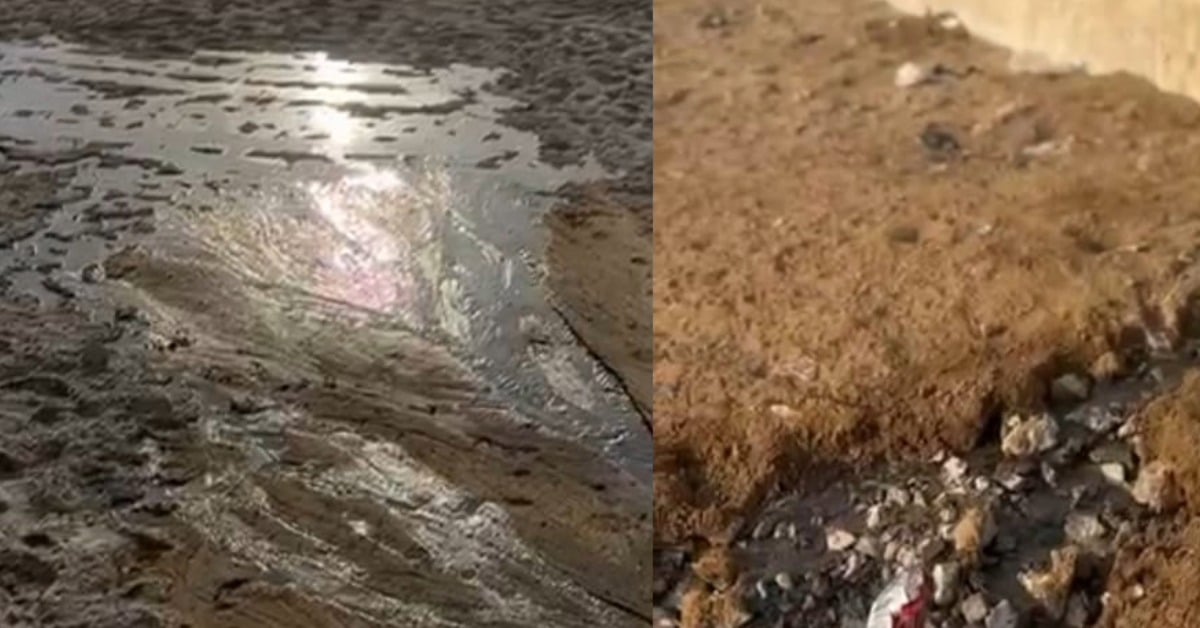
Residents in Playas de Tijuana raised the alarm after a foul-smelling stream surfaced near the malecón and flowed toward the ocean. The discovery, shared widely on local outlets, comes weeks after city inspectors shut public bathrooms that were dumping wastewater at the shore and after state officials promised fixes along the coast. The scene—sewage bubbling from beneath a sidewalk beside one of Tijuana’s busiest promenades—has renewed calls for rapid repairs, clear testing, and honest timelines. Who is accountable when contamination appears in plain view, yet no one claims it?
Raw sewage in Playas de Tijuana
Residents in Playas de Tijuana noticed a pungent flow rising from beneath a sidewalk steps from the boardwalk. The liquid, dark and foul-smelling, crept toward the surf as beachgoers filmed and demanded action. It was a weekend scene that speaks to a broader problem: leaks that appear before agencies respond, and a coastline that pays the price.
City leaders have not presented a formal cause for this specific discharge. People on the promenade did not need lab results to understand the health risk. Parents pulled children from the sand. Vendors covered their faces. The smell carried farther than the stream itself. AFN’s report captured the frustration: a clandestine dump by the city’s showcase seawalk.
Residents smelled it before anyone intervened
Playas de Tijuana’s malecón is both a viewing deck and a pressure valve for an old network of pipes. When something fails, the evidence does not hide. Neighbors described the odor first, then the trickle turning into a visible flow toward the beach. Scenes like this erode trust. They also deter the visitors that small businesses count on each weekend.
In July, the city shuttered a set of public bathrooms on the same promenade after inspectors found they were discharging wastewater to the shore without permits. That decision followed independent reporting that traced the contamination directly to those facilities. The malecón reopened to foot traffic, but residents never received a straightforward, durable fix.
A pattern on the malecón since July
That bathroom closure was not the only red flag. In mid-July, the state water utility said it was repairing spills in Playas and blamed damage on malecón construction activity, including a pump knocked out of service. The agency promised strengthened works along the Tijuana–Rosarito corridor to capture coastal flows and stop direct discharges to the sea. Yet by late August, residents are still spotting leaks steps from the sand.
Plans to rebuild the malecón itself have also slipped. The city’s territorial and environmental secretary said the reconstruction would likely begin next year after project changes. If true, that leaves an entire year where construction staging, legacy pipes, and storm surges can continue to expose weak points. Beach communities are asking who coordinates day-to-day fixes while long projects inch forward.
Health risk and what testing shows
Mexico’s health regulator has repeatedly flagged Tijuana and Rosarito beaches as “not apt” in seasonal monitoring because of high fecal bacteria. Those alerts track with what locals see and smell on bad days. The rule of thumb is simple: if you see a suspicious discharge—or the water smells like sewage—stay out. Enterococci are markers of fecal contamination and can cause gastrointestinal and skin infections.
Authorities say most beaches pass routine tests, but those statements do not erase the outliers that matter most: the places and days when contamination spikes. In April, federal sampling again placed multiple Tijuana-area beaches over the limit ahead of the holiday rush, and local press showed empty sands.
Cross-border stakes and ongoing fixes
The malecón episode is local, but it sits inside a binational crisis. Farther south and east, chronic failures in Tijuana’s sewage network send polluted water through the Tijuana River Valley, forcing rolling closures on San Diego County’s coast. U.S. and Mexican authorities signed a new agreement in July to accelerate plant upgrades and pipe rehabilitation, while the U.S. is expanding its South Bay treatment capacity. County officials posted new warning signs this week along river “hot spots.” The goal is fewer days when sewage reaches the ocean at all.
Binational agencies report progress—temporary bypasses ended in May and some work has advanced—but residents judge success by what they smell and where their kids can swim. Until leaks stop appearing on the boardwalk and bacteria readings stay low, trust will lag behind official timelines.
What’s next
The immediate task is straightforward: identify the source of the malecón leak, halt it, disinfect the affected area, and publish test results promptly. Playas depends on visitors who assume the surf is safe. That confidence is fragile. Clear, timely sampling and visible repairs can restore it.
Longer term, the city and the state utility must maintain the system at street level while larger projects move through the bidding and permitting process. That means inspecting construction sites along the promenade, guarding pumps from damage, and responding to residents’ calls about leaks. Beach towns live on reputation. Every day without spills is a small win that counts.