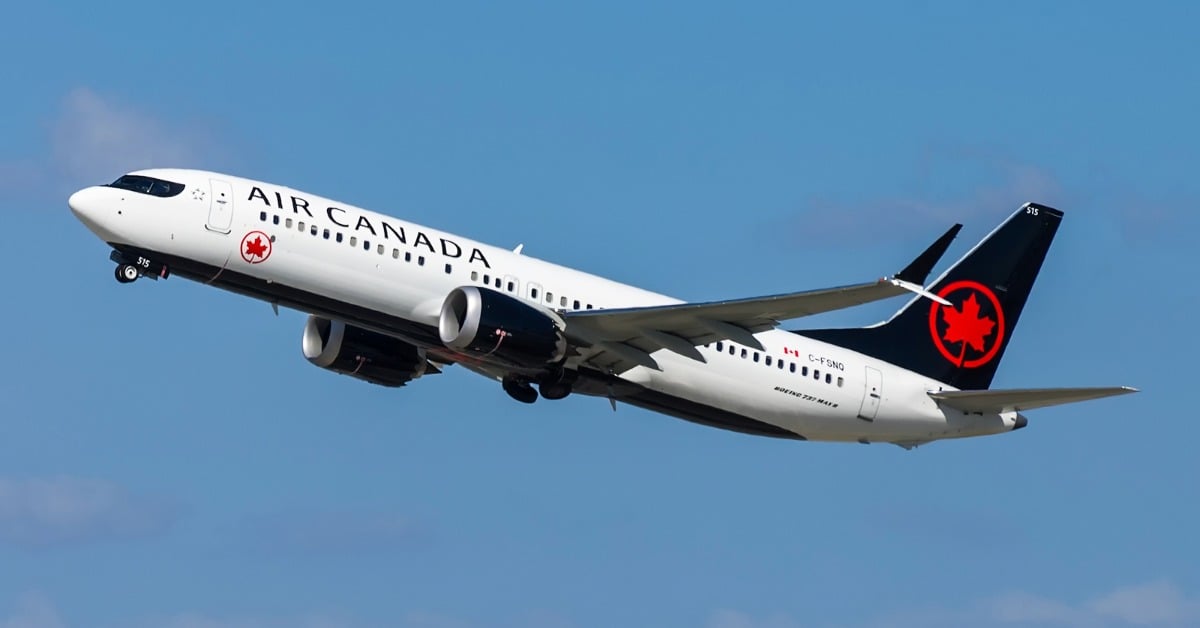
Canada is the growth engine in Mexico’s air travel story this year. From January to June, 1.68 million Canadian visitors arrived by plane, an increase of roughly 11 percent compared with the same period of 2024. That surge is the standout change in a semester that also set a broader record for international air arrivals.
Mexico surpassed 11 million foreign arrivals by air for the first time in a six-month stretch, reaching 11,022,128 visitors and edging past last year by 1.6 percent. Officials frame the milestone as evidence that the sector is not only recovered but still expanding. The headline is national, but the momentum is Canadian.
What is driving Canada’s jump
The report points to a political chill with the United States that has nudged some Canadian travelers to look south toward familiar Mexican beach markets instead. It cites Canadian statistics showing declines in Canadian trips to the U.S. this year, while Mexico sees the opposite trend. The result is fuller planes into gateways that already court Canadian snowbirds.
For Mexico, the market mix matters. The United States remains the largest source by volume, but Canada is the one changing the curve. Even a modest overall increase feels different when one partner is sprinting and others are jogging. That dynamic is now visible in the route map as much as in the arrival counters.
Routes confirm the shift
Airline traffic data underline the change on the ground. In the first half of 2025, Toronto–Cancún became the country’s most dynamic international route, overtaking Madrid–Mexico City. Cancún–Dallas follows, with Madrid–Mexico City still strong in third. The pecking order mirrors the Canadian swing and the continued pull of the Caribbean coast.
Regulators also report the Mexico–Canada market carried about 3.7 million passengers in the semester, up 20.3 percent year over year, while Mexico–U.S. volumes slipped slightly. Airlines chase demand, and demand is clearly there. Expect carriers to protect these seats into the winter schedule.
Spending and the bigger picture
More visitors also means more spending. The report estimates that Canadian tourist outlays passed 2.0 billion dollars for the semester, up by more than 200 million from a year earlier. Across all nationalities, total spending topped 13 billion dollars in the January–June period. These are the figures that steer airport planning, hotel staffing, and airline capacity decisions.
Mexico’s global standing adds context. The country held sixth place worldwide by international arrivals at the end of 2024 and continues in that range this year. A stronger Canadian lane helps sustain that rank by diversifying demand beyond a single dominant market.
What to watch next
The shoulder months will test the durability of the Canadian wave. If bookings stay strong, expect more lift from Toronto, Montreal, and Calgary into Cancún, Puerto Vallarta, and Los Cabos. If U.S. travel rebounds, Mexico still benefits, just with a different balance. Either way, the lesson of the semester is clear. The record was national, but the spark came from Canada.