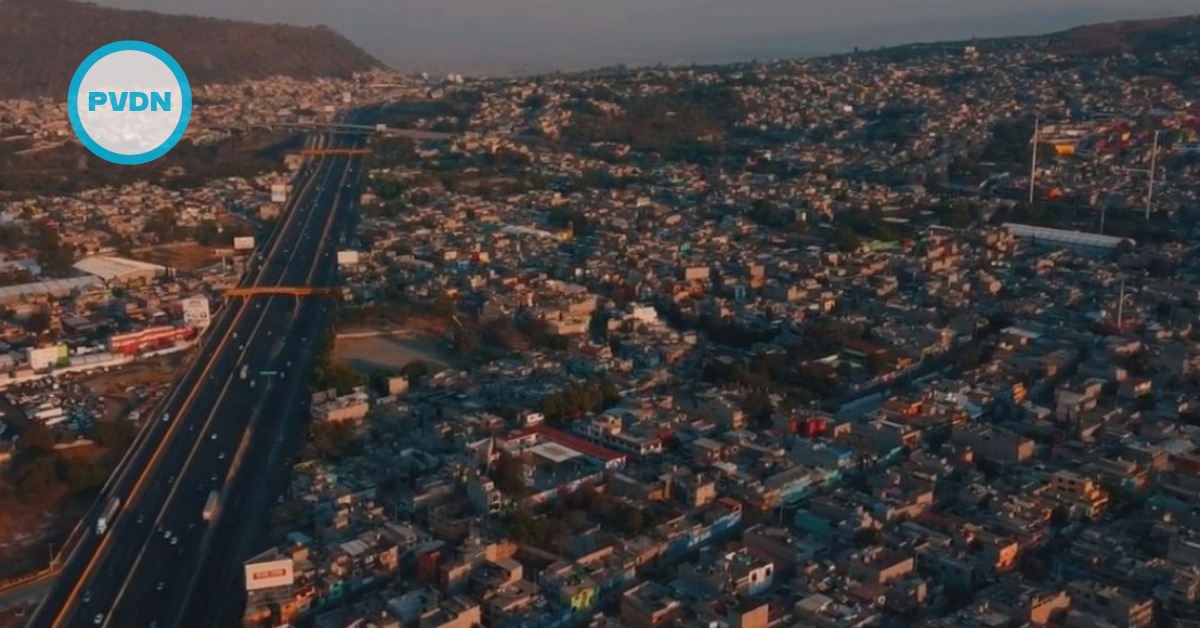
Mexico City has promised faster approvals for affordable housing, but developers say the system is still not moving. More than 32,000 planned units remain mostly stuck before construction, even as home prices continue to rise in the capital. The dispute points to a wider problem in the city’s housing policy: officials want more affordable homes in central areas, but developers say permits, planning rules, and local coordination are keeping many projects on paper.
Bureaucracy stalls 32,000 planned affordable homes in Mexico City
Mexico City’s affordable housing push is moving slowly, with only 300 to 400 homes now under construction out of more than 32,000 planned units.
The homes were proposed by private developers under rules meant to support lower-cost housing in the capital. But industry representatives say many projects remain stalled by paperwork, weak coordination between agencies, and limits in the city’s urban planning rules.
The delays come despite promises by the city government to speed up approvals and encourage more affordable housing construction.
Thousands of units remain on paper
The planned homes are part of a broader effort to produce housing under Norma 26, an urban planning rule used for social, popular, and sustainable housing.
The rule sets a maximum price tied to the Unit of Measurement and Update, or UMA. In current terms, that puts the top price at around 2 million pesos for this housing segment.
Developers say demand exists and land has already been identified for projects. The problem, they argue, is that permits and licenses are not moving fast enough.
That gap is now visible in the numbers. Only a few hundred of the planned units have advanced into construction.
Faster permits have not solved the problem
Mexico City opened a single real estate window in 2025 to review construction-related procedures. The goal was to simplify approvals and reduce delays.
City officials said last year that the window had reviewed 50 projects and approved 32, representing about 4,000 homes and more than 20 billion pesos in investment.
Industry leaders now say those approvals have not translated into enough construction. They point to a disconnect between the city’s stated policy and the way procedures are handled across agencies.
For residents, the issue is not only technical. When affordable homes are delayed, buyers and renters remain exposed to a market where new housing is often aimed at higher-income households.
Housing costs keep rising
The slowdown comes as Mexico City remains one of the country’s most expensive housing markets.
The average home price in the capital reached about 4.4 million pesos in the first quarter of 2026, according to housing price data cited in the sector. That is far above the price range intended for affordable units under Norma 26.
Separate housing data also show limited new production in the city. Between January and April 2026, only 183 homes were registered in Mexico City, down from 527 in the same period a year earlier.
Developers and housing specialists say the shortage is being shaped by several factors. These include high land costs, construction expenses, seismic rules, permit delays, and restrictions on where lower-cost housing can be built.
Planning rules are part of the dispute
Canadevi Valle de México has argued that the city needs updated planning tools, better coordination, and more certainty for projects that fit the affordable housing model.
One concern is that current rules limit where Norma 26 projects can apply. Developers say this reduces the ability to reuse some underused sites in areas with strong demand.
The housing chamber has also called for a broader agreement between the government, private builders, and residents. New projects can bring local concerns over density, services, water, and neighborhood change.
The stalled projects show the difficulty of balancing those concerns with the need for more affordable homes in a city where many residents are being priced out of central areas.