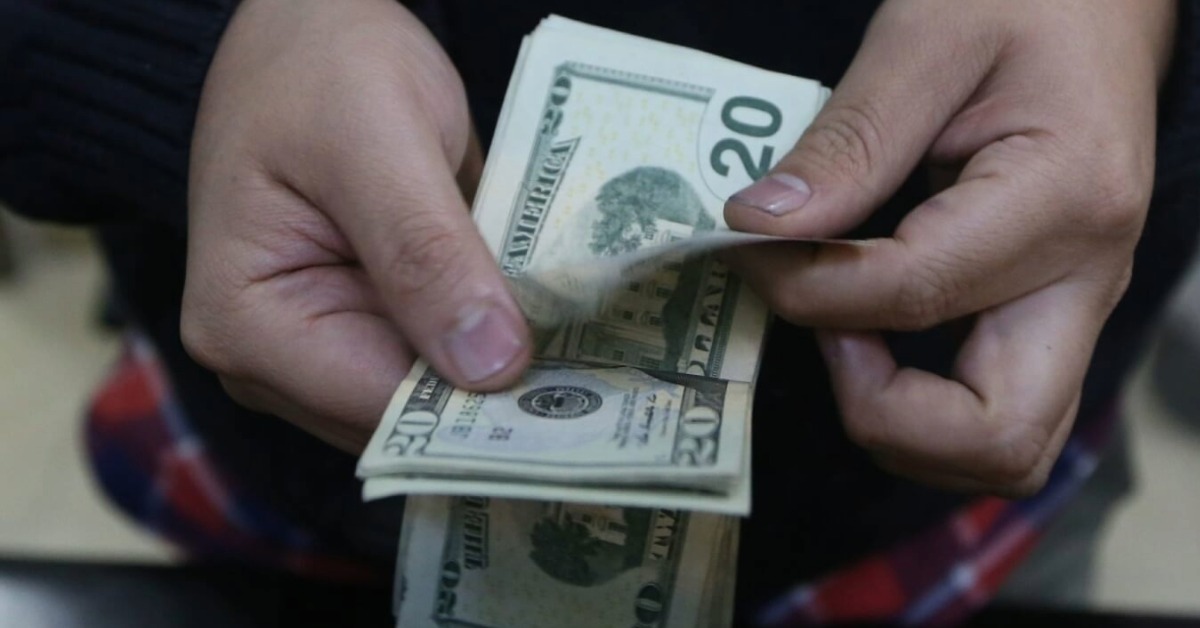
Mexico’s total remittances rose again in April, but the stronger peso is changing the real value of those dollars once they reach Mexican households. The headline number still looks large, and Banxico’s data shows another year-over-year gain. The deeper pressure sits in the conversion rate, inflation, and fewer transfers. The full report breaks down the latest data, the buying-power squeeze, and the exchange-rate signal to watch next, especially for people whose monthly budgets cross the dollar-peso line.
Mexico Remittances Rise While Peso Cuts Real Value
Mexico’s remittance flow rose in April, but the stronger peso and stubborn prices are cutting into the gain before that money reaches household budgets.
The Banco de México April remittance report placed incoming remittances at $4.978 billion, up 3.7 percent from April 2025. The increase came even though the number of transfers fell 1.7 percent. The average remittance rose to $403, a 5.5 percent annual increase.
That makes the headline look steady. The peso math is less forgiving.
The stronger peso cuts into the dollar gain
Casa de Bolsa Valmex calculated that, “after adjusting for exchange rate and inflation,” April remittances fell 13.8 percent in real annual terms. The firm described it as the eleventh consecutive negative real reading and said the decline limits the effective impact on household income.
A stronger peso usually sounds like a national win. It can lower the cost of some imports and support confidence in Mexican assets. But it also means each U.S. dollar converts into fewer pesos.
On June 2, the official FIX exchange rate published in the Diario Oficial de la Federación stood at 17.3780 pesos per dollar. Market quotes placed USD/MXN near 17.27 the same day, keeping the peso close to its strongest levels of the year.
The pressure has a second layer. INEGI’s April consumer-price data showed annual inflation at 4.45 percent. Core inflation was 4.26 percent, while non-core inflation was 5.08 percent. That means the pesos received are arriving in a market where food, services, housing-related costs, and other bills keep rising.
The same exchange-rate squeeze touches anyone earning in dollars and spending in pesos. A recent explainer on why dollars buy less in Mexico covered that pressure from the spending side. The remittance data shows the income side of the same equation.
High totals, weaker buying power
Mexico still receives large dollar amounts from abroad. Banxico reported $19.676 billion in remittance income from January through April, up 2.6 percent from the same period last year. The central bank also reported that 99.1 percent of remittance income during the first four months was remitted via electronic transfers.
The latest figure follows a choppy start to the year. Earlier coverage of January remittances slipping below $5 billion showed how monthly totals can appear weaker even before inflation and currency conversion losses are accounted for.
April did recover on an annual basis. It also fell from March, when Banxico reported $5.500 billion in remittance income. On seasonally adjusted figures, the central bank said incoming remittances contracted 3.5 percent from the previous month.
That mix leaves a narrow read on the data. Remittances are not collapsing. They are also not delivering the same peso value that the dollar headline suggests.
The exchange rate is the number to watch
The next test is the exchange rate. If the peso keeps strengthening while Mexican prices remain above Banxico’s target range, the buying-power gap can widen even when monthly remittance totals look healthy.
A weaker peso would change the conversion math. It could also pose inflation risks if import costs and fuel costs rise.