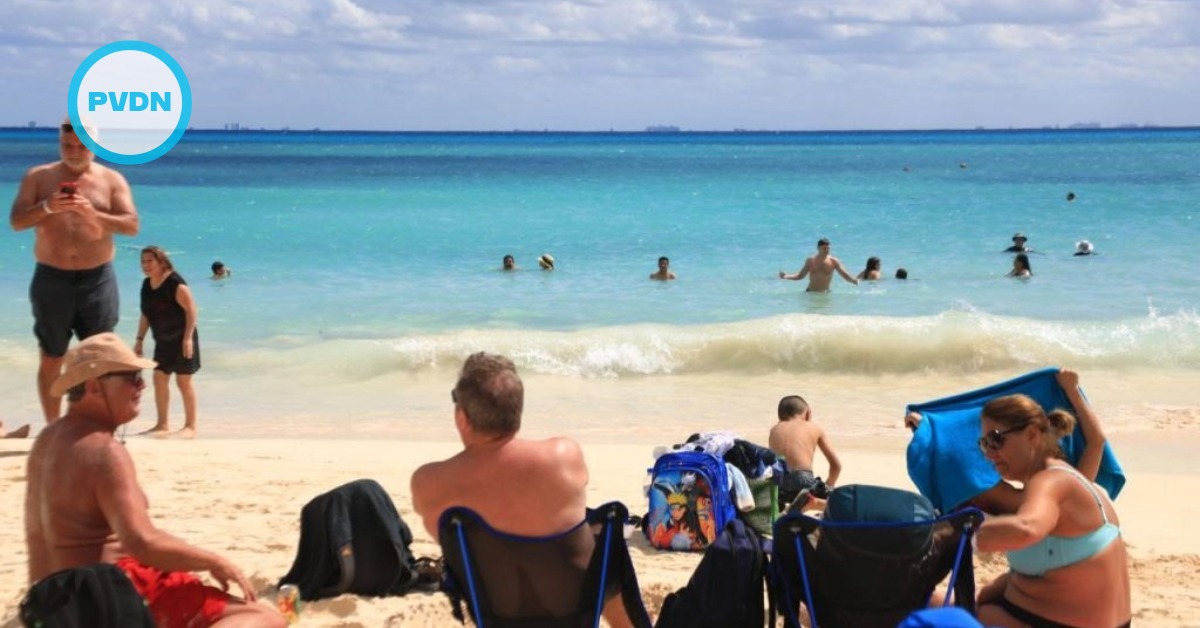
Residents in Playa del Carmen allege police shakedowns on beaches, deepening distrust as officials tout seasonal patrols and lifeguards.
Playa del Carmen sells itself on sunlight and calm water. For some locals, the stress begins when they need help. In interviews published on December 15, residents described long stretches of beach with few patrols. They also alleged shakedowns when officers do show up.
The claims follow a familiar script. A problem happens on the beach. Someone calls for assistance, or an officer approaches a group. Then, residents say, the conversation shifts toward cash. One resident alleged that some municipal officers threaten to pin fabricated crimes on beachgoers unless money is handed over. The same resident said this can happen even when drinking in public. The new complaints point to Playa del Carmen extortion as a quiet risk on the sand.
Those allegations are hard to prove from a single encounter. They are also hard to ignore in a city that lives on tourism. If visitors think a call to police might end in a payoff demand, they wait. They walk away. They stop reporting. That silence can make beaches feel less safe. It matters even when the real risk is an accident.
Municipal Civil Protection says it has a holiday operation in place. The agency says 17 lifeguards are assigned along beaches from Xcalacoco to the fiscal pier. The stated hours are 9 a.m. to 5 p.m. That staffing is aimed at water-related emergencies. It does not answer what residents say happens when the emergency is on land. It also does not answer what happens when the responding officer becomes part of the problem.
Playa del Carmen extortion
Residents who raised the alarm say police coverage arrives in bursts. They describe patrols that spike during vacation periods, then fade. That pattern matters because extortion, if it is happening, thrives in the gray areas. A crowded beach brings more contact. Fewer eyes on officers can make pressure tactics easier.
The allegation laid out this week is specific. One resident said some officers come down to the sand mainly to extort. The resident described threats of fabricated charges unless people pay. The allegation also ties the pressure to alcohol enforcement. In Playa del Carmen’s tourist zone, the local government has highlighted operations aimed at curbing public drinking in unauthorized places. A rule can be real. Abuse can still ride on top of it.
This is the line residents say has blurred. A warning about an infraction becomes a hint that the problem can disappear. A request for identification becomes a demand for money to avoid the station. In those moments, the power imbalance is total. Beachgoers are often in swimwear, carrying cash, and far from their paperwork. Many are visitors who do not know the system. Some do not speak Spanish well.
Even locals can feel boxed in. A person who argues risks escalation. A person who pays risks feeding the behavior. A person who refuses may fear retaliation. That fear is why allegations like these rarely come with proof. Extortion depends on people believing there is no safe way to push back.
Mexico’s own victimization data helps explain the quiet. INEGI’s ENVIPE survey estimates that 93.2% of crimes in 2024 went unreported. Or they were reported but did not lead to an investigation. When asked why they did not report, many said it wastes time. That answer came in at 34.6%. Another major reason was distrust in authorities, at 14.0%. INEGI also estimates that 97.0% of extortion incidents go unreported or uninvestigated.
The same national survey captures how people view law enforcement integrity. Among adults who said they could identify traffic police, 75.1% considered them corrupt in early 2025. For municipal preventive police, the figure was 65.1%. These are national perceptions. They are not a verdict on any single department. Still, they help explain why a beach rumor can spread fast. They also show why it can be so damaging.
Local government messaging can shape the moment of contact. In late November, the city said it was reinforcing surveillance in the tourist zone. It cited a civic justice rule that treats drinking alcohol in unauthorized public places as an infraction. When rules are enforced, a person should get clear information and a documented process. Residents say the problem starts when enforcement becomes negotiable, and the fix sounds like a private transaction.
The warning is not only about money. It is about safety. Beach problems are routine. Lost phones and fights happen. When people expect a shakedown, they hesitate to call for help.
When reporting feels risky
That hesitation has consequences. It can delay an ambulance. It can leave a theft unreported. It can also let a dangerous situation grow. People avoid attention because it feels unpredictable.
There is also a second cost: trust. A tourist town depends on quick, fair response. It also depends on residents believing the rules apply evenly. When enforcement is seen as selective, every legitimate patrol can look suspicious. That can create a cycle where fewer people cooperate. It makes real policing harder.
Local officials have tools to break that cycle, but they have to be visible. Clear beach rules help, but they are not enough. Accountability matters more than signage. Residents want consistent patrols. They also want officers to be watched and disciplined when they cross the line.
For people who feel pressured in the moment, the options can feel limited. Calling 911 is standard for emergencies. Quintana Roo also lists 089 as an anonymous reporting line. Residents can also file complaints through state and municipal channels. Those channels handle misconduct and corruption complaints. These routes can be slow, but they create a record.
The allegations raised this week are not a conviction. They are a warning flare. Playa del Carmen cannot afford to treat it as beach gossip. If police extortion becomes part of the visitor experience, the damage will not stay on the sand. It will land in the city’s reputation, its economy, and the daily choice residents make about whether it is safe to ask for help.