A new guided trail in Juan Xidó Cabras is turning little known rupestrian paintings San Miguel into a nature and culture stop for hikers.
San Miguel de Allende’s latest “new” attraction has been waiting on the hillside for more than a millennium.
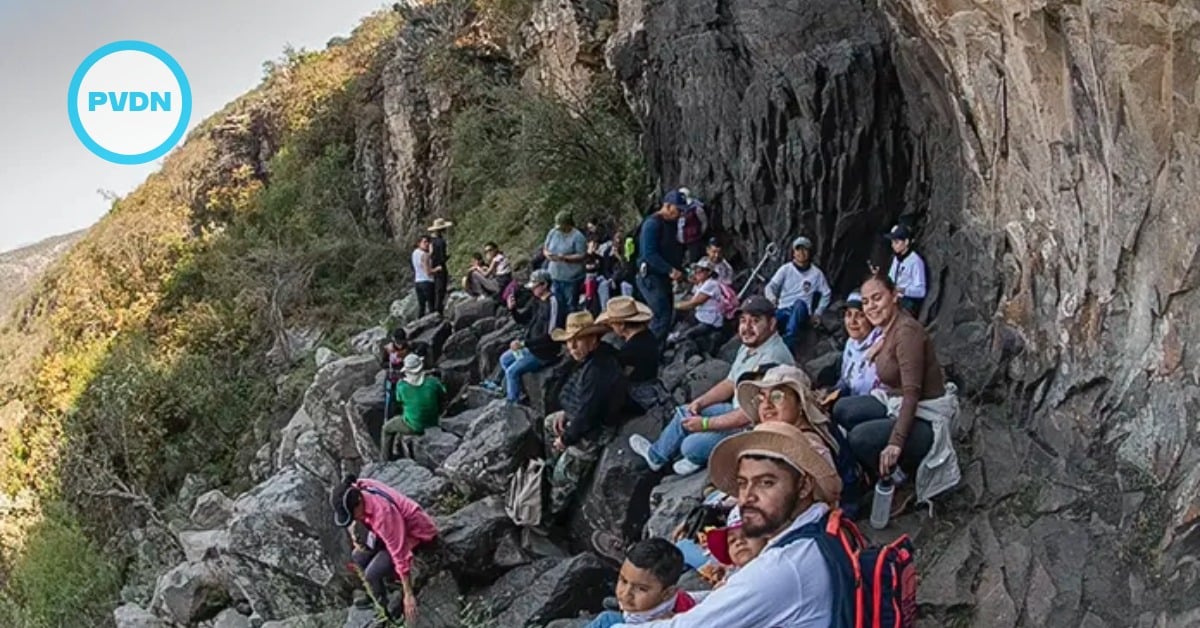
Over the weekend, more than a hundred hikers from Mexico and abroad followed a guided trail into the community of Juan Xidó Cabras, in the rural outskirts of the city. What began as a call for 70 adults grew into a much larger group that set out before midday, walking past grazing land and scrub to visit a set of ancient images painted on the rock. For many, it was the first time they had seen this side of the municipality.
Among the participants were long-time residents who had heard of the site but never made the climb, and two people with motor disabilities who completed both the ascent and the descent with support from the group. The outing felt like a small celebration, but it was also a test for a route local authorities now see as a way to connect people with history and landscape at the same time.
Rupestrian paintings San Miguel on a new route
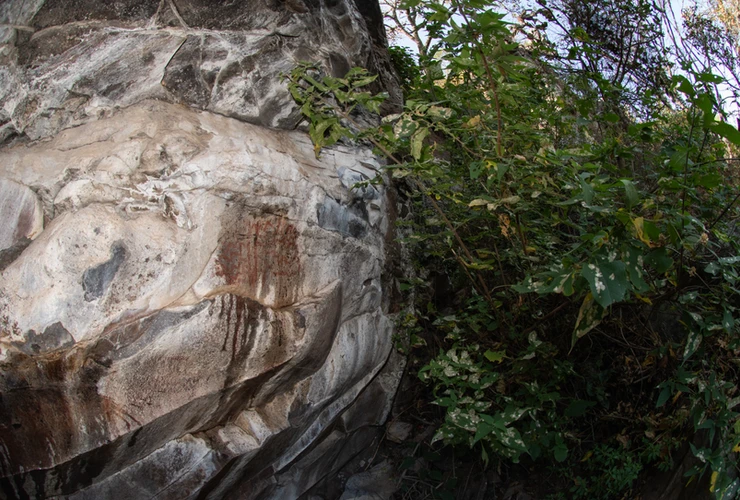
Juan Xidó Cabras sits on a ridge north-east of the city, at more than two thousand metres above sea level. From the upper slopes, hikers can see the Allende dam and the patchwork of fields that still ring San Miguel despite years of urban growth. Tucked into this scenery is a low cliff where prehistoric painters left human and geometric figures in reddish tones, protected only by the overhang of the rock.
Local authorities estimate the images are more than 1,500 years old, based on comparisons with other sites in the state. Detailed archaeological studies are still pending, which makes the place feel less like a museum and more like a living landscape that people are only just starting to understand. For the hikers, the rupestrian paintings San Miguel had always been something talked about but rarely visited.
The new trail, coordinated by the city’s Environment and Sustainability department, follows existing rural paths and single-track used for years by local guides. The group moved between stone terraces and shallow ravines, stopping at natural viewpoints that open over the valley. In the rainy season the same route passes near a small seasonal waterfall, one reason tour operators have quietly included the area in private hiking itineraries.
To handle the larger group, the municipality assembled a support team: staff from the environmental office, twenty Red Cross volunteers, firefighters, paramedics and municipal police on patrol. Their presence turned the trip into a kind of mobile classroom. Along the way, guides pointed out hawks circling above, native shrubs in flower and traces of small mammals in the dust, tying the rock paintings to a still-rich ecosystem rather than treating them as an isolated attraction.
When the hikers finally reached the rock face, they spread out along the slope and took turns approaching the panel. Organizers asked them to keep distance, avoid touching the stone and stay off nearby ledges where the soil is already loose. The message was simple: you come here to look, learn and then leave the place as you found it.
Balancing tourism and protection on the trail
Mexico has officially registered more than three thousand archaeological sites with rock art, but only a small fraction are open to the public with formal paths, signage and staff on site. Many are in remote canyons and hillsides, where visitors arrive on their own and where vandalism or simple carelessness can strip pigment from the stone in a single season. Recent cases of theft from caves in the north of the country have pushed federal authorities to call for tighter protection of these fragile places.
That broader picture explains part of the urgency in Juan Xidó Cabras. City officials are presenting the guided hikes not only as a new weekend plan, but as a way to manage how people reach the site. By concentrating visits in small, organized groups, they hope to reduce the pressure of unsupervised traffic while still giving residents and tourists a chance to see the paintings up close.
The route also helps rebalance where tourism money flows. While San Miguel’s historic centre and the Sanctuary of Atotonilco draw most visitors, the rock art trail leads people into a rural community that has long sat outside the usual circuits. Local families supplied snacks and water at the start and end of the walk, and several participants left talking about returning for future hikes or staying overnight in nearby cabins.
For some of the hikers, the day ended with the familiar comforts of San Miguel’s cafés and rooftop bars. For others, especially locals who had never climbed into these hills, the walk changed how they see their own city. They came home with tired legs, dust on their shoes and the image of small red figures on pale stone – proof that the story of San Miguel de Allende did not begin with colonial streets, but much earlier, on a quiet rock wall above the fields.