A mid-afternoon San Jose del Cabo earthquake startled shoppers and airport travelers, knocking bottles from shelves and dislodging ceiling panels. Mexico’s seismic service posted a preliminary magnitude of 4.3. A U.S. agency later showed 4.8 using a different scale. Civil Protection crews fanned out to check buildings as videos of supermarket aisles and the airport’s check-in area spread on social media. Here’s what we verified, what the magnitudes mean, and why this corner of Baja California Sur shakes more often than many visitors realize.
San Jose del Cabo earthquake
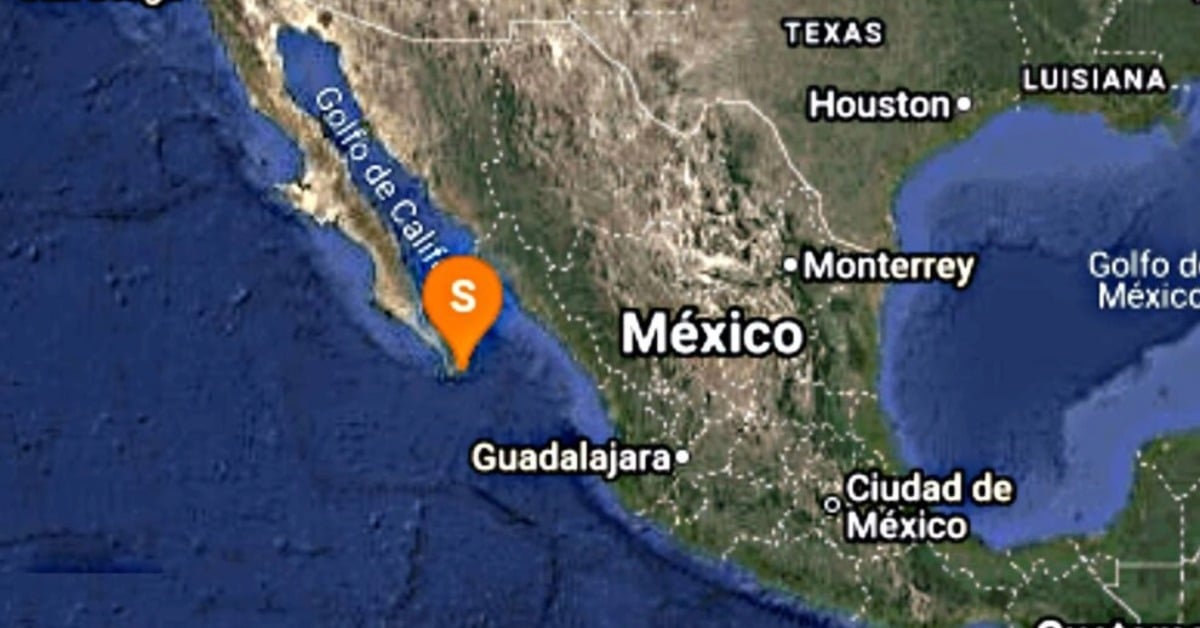
Shoppers in San José del Cabo felt a sharp jolt on Monday at 2:38 p.m. local time—3:38 p.m. in Mexico City—that sent glass shattering in at least one supermarket and brought down sections of the ceiling at Los Cabos International Airport. Mexico’s Servicio Sismológico Nacional (SSN) located the epicenter 10 kilometers southeast of the city at a depth of about 10 kilometers. The agency listed the preliminary magnitude as 4.3.
Video from the airport shows ceiling panels and light fixtures on the floor near airline counters while alarms sound overhead. Airport operations continued, and no injuries were reported, according to local media and authorities, who launched rapid checks of terminals and public buildings after the quake.
What authorities confirmed
Los Cabos Civil Protection teams reported only material damage and carried out inspections across the municipality. Local officials said the shaking was felt from Cabo San Lucas to La Playa, and municipal crews were assigned to evaluate any structural risks. The State Government of Baja California Sur later issued a joint bulletin summarizing the early readings and expected aftershocks, advising residents to rely on official updates and inspect homes for minor damage.
Several more minor tremors followed in the area through the afternoon and evening, consistent with aftershock patterns for a quake of this size. SSN’s live feed showed additional low-magnitude events near San José del Cabo after the main shock.
Why magnitudes differ—and what that means
If you checked more than one source, you likely saw two numbers. SSN reported M4.3, an early local estimate. The U.S. Geological Survey’s National Earthquake Information Center later posted M4.8 (moment magnitude, Mww) for the same event—an estimate based on global waveforms that often arrives later and can differ from local scales. The state’s bulletin noted both values and explained that final solutions can change as more stations are included. Practically, the difference between 4.3 and 4.8 is enough to rattle shelves and drop lightweight fixtures, but is not typically damaging to well-built structures.
A quake-prone corner of Baja
San José del Cabo sits near the southern Gulf of California plate boundary, where the Pacific and North American plates slide past each other along a chain of transform faults and short spreading centers. That setting makes Baja California Sur one of Mexico’s quieter—but steady—earthquake zones. Researchers and local institutes, including CICESE, have studied active faults around Los Cabos for years; authorities highlighted new monitoring after last year’s regional swarm. Visitors often feel brief, sharp jolts like this one, while large, damaging events remain uncommon near the cape.
What residents experienced Monday
Inside a San José del Cabo supermarket, shoppers watched as glass bottles and jars toppled from aisles. At the airport, travelers filmed plafón segments giving way above the check-in zone. By early evening, airlines continued to process passengers, and crews swept debris while inspectors checked for cracks or loose fittings. Local papers and national outlets converged on the same picture: a short, startling shock, superficial damage, and an orderly response.
What’s next
Civil Protection advises residents to watch for minor hazards—loose shelves, cracked plaster, or displaced ceiling panels—and to follow official channels should aftershocks continue. Given the shallow depth and location just offshore, more small events are possible. Keep emergency items handy and, if you manage a shop or condo, re-secure heavy inventory and overhead fixtures.