San José del Cabo has started the week that many locals see as the city’s biggest public celebration. The 2026 edition opened with a formal ceremony, the crowning of a festival queen, and a packed first concert, but the story goes beyond the stage. For residents, these days still connect a fast-growing municipality to an older town built around a patron saint, a central plaza, and community traditions. That mix of faith, fairground culture, and headline concerts explains why this festival still matters.
Opening night starts a bigger week
San José del Cabo formally opened its Fiestas Tradicionales 2026 on Wednesday, March 18. The ceremony included a ribbon-cutting, a historical review, and the coronation of Jaretsy Guadalupe Hermida Espinoza as festival queen. The first big concert followed, with Enanitos Verdes drawing the opening-night crowd at the Teatro del Pueblo. For San José del Cabo, this is not a side event. It is the municipality’s main annual public festival and one of the clearest expressions of local identity.
City promotion framed the main concert run as March 19 to March 22. In practice, the festival began on March 18 with the opening protocol and first concert. That timing matters because March 19 is the feast day of San José, the patron saint behind the city’s name. Edén Muñoz was announced as the act opening the main stage run promoted by City Hall on Thursday, keeping the celebration moving into its busiest days.
Why this week matters in San José del Cabo
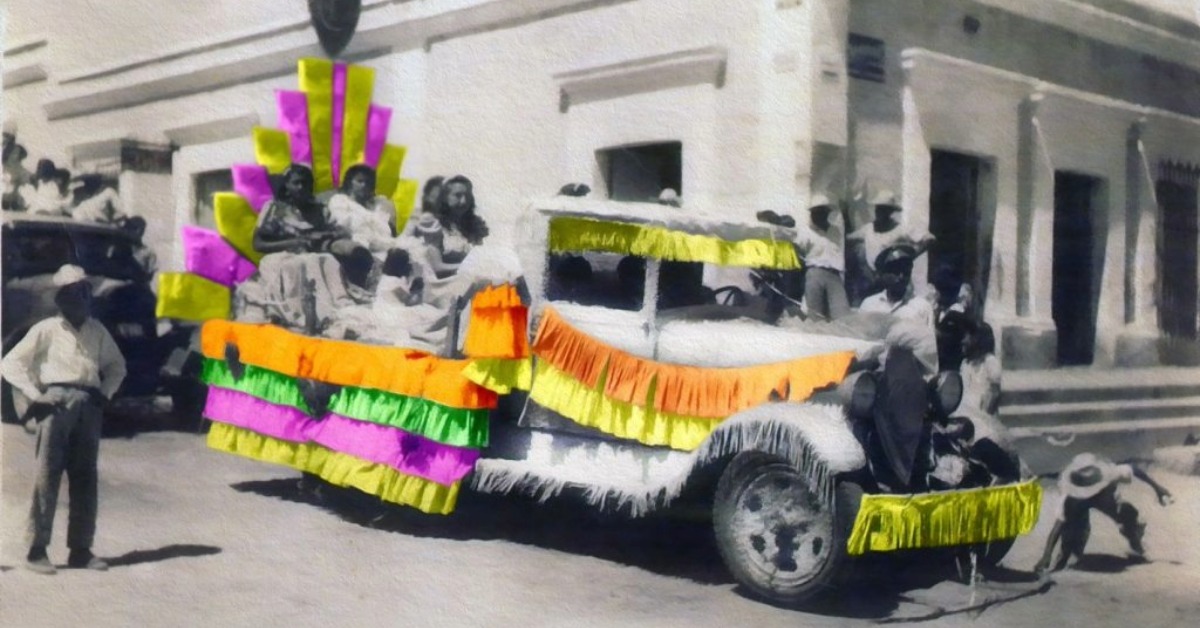
For readers outside Baja California Sur, the festival can look like a city fair built around headline concerts. The history is older and more specific. The celebration honors San José, not the city’s founding anniversary. San José del Cabo traces its mission-era origin to April 8, 1730. The festival itself took shape later as a patron-saint observance. Over time, it grew into a civic event with concerts, cultural acts, and fairground traditions.
That distinction helps explain why the week blends religious and secular elements so easily. In local historical accounts, mañanitas to the saint at dawn on March 19 remain one of the defining customs. Plaza Mijares continues to anchor cultural programming in the historic center. The Teatro del Pueblo handles the largest concerts. Together, those spaces show how the festival still connects the town’s older traditions with its modern public life.
Local historical material also places the consolidation of the festival much later than the mission era, around the late nineteenth or early twentieth century. That matters because it shows the event was shaped by community life, not only by church ritual. The result is a festival that still carries religious meaning but also serves as a civic gathering, a business opportunity for local vendors, and a showcase of regional culture.
This year’s festival is bigger and more managed
This year’s edition also shows how much the celebration has expanded. Authorities moved the main fairground to the site next to last year’s site. They directed access through the roads by Los Carrizales, Soriana, Guaymitas, and Camino Viejo. Avenida Centenario was blocked to ease traffic and improve operations. City Hall also said entry to the artistic presentations would remain free, even as the festival draws larger regional crowds.
The city prepared for that scale with a stronger security and accessibility plan. Officials assigned more than 200 municipal officers and more than 35 patrol units. They also added drone and tower surveillance. Accessible viewing areas, staff support, and accessible restrooms were set aside at both the main venue and Plaza Mijares. Those measures show how a celebration with small-town roots has now become a major public event.
That shift says something important about San José del Cabo itself. The town is no longer a small local center staging a modest religious fair. It is part of a larger municipality with national tourism visibility and a much bigger population. Even so, the festival still holds onto the public rituals that make it feel distinctly local. The queen’s coronation, the historic center, the patron-saint framework, and the fairground setting still matter.
The concerts are only part of the story
The headline acts will bring the most attention. But the program is broader than a concert series. Organizers also added a formal Muestra Gastronómica Local to Thursday’s schedule at the Expo Ganadera, Agrícola y Pesquera. They said the free tasting would feature regional foods such as chimangos, tamales, damiana tea, and empanadas. A cocina regional choyera contest is part of the same push. That reflects an older purpose of the festival: giving local food, ranch culture, and community participation a place beside the entertainment bill.
For international readers, the opening offers a clearer look at San José del Cabo than resort marketing usually does. This is a city that still marks its public year with a patron saint, a central plaza, a fairground and a festival queen. With Jaretsy Guadalupe Hermida Espinoza crowned and the first large concert complete, the 2026 festival has started by placing those older traditions alongside a modern entertainment calendar.