Los Cabos crews just hauled out a staggering mass of floating weeds from the San José Estuary—part of a push to stop invasive plants from choking the wetland and washing onto popular beaches. Authorities say the work lowers fire risk, restores water flow, and protects tourism-critical certifications. Another operation is already on the table. What exactly was removed, why it built up so fast, and what’s next for this Ramsar-listed habitat should matter to anyone who lives in or visits the Cape. The details tell the larger story.
San José Estuary cleanup
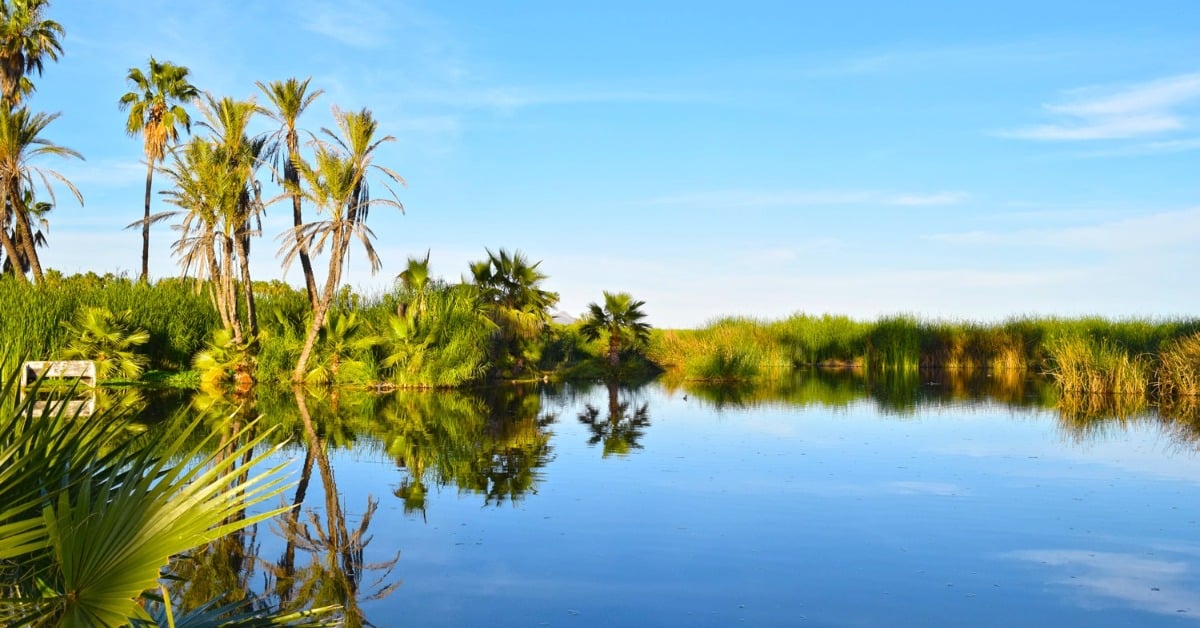
Authorities in Los Cabos removed 32 tons of floating vegetation—water hyacinth and water lettuce—from the San José Estuary during an intensive brigading effort this week. Officials said the goal was to reduce fire risk, protect the estuary’s natural sandbar, and prevent mats of plants from drifting onto nearby beaches. Another cleanup is planned in the bridge area once logistics are set.
The municipal director for Fauna and Wildlife, Jorge Armando López, stated that the work follows instructions from the mayor and council, while a long-discussed management plan undergoes review. He also credited volunteers and several agencies, including Semarnat, Ecology, Transportation, and Public Services, and noted that youth teams will join the next phase.
What the weeds are—and why they spread
The plants removed are well-known invaders. Water hyacinth (Eichhornia crassipes) and water lettuce (Pistia stratiotes) form thick rafts that block light, deplete oxygen, and slow water flow. In Mexico, hyacinth is considered the most serious aquatic weed; water lettuce behaves similarly in warm, nutrient-rich waters. When both take hold, fish kills and mosquito breeding can follow.
The spread is not unique to Baja California Sur. Satellite and field studies show hyacinth outbreaks across Mexico, from Puebla’s Valsequillo reservoir to lakes in the west, when nutrients spike and water circulation drops. Those same conditions can develop in coastal wetlands during dry spells.
A protected wetland under pressure
The San José Estuary is a state ecological reserve (decreed in 1993) and a Ramsar-listed wetland recognized for bird habitat and migration corridors. Local and international inventories count over 200 species of aquatic birds using the site. Its status raises the stakes for any management missteps.
City officials say they have agreed on a conservation push focused on the estuary’s “bocana,” the sandbar that periodically opens to the sea. That work ties into an updated management plan, which is now undergoing review and consultation.
Why the timing matters
When rains or strong swells arrive, the sandbar can open naturally and flush estuary water—and whatever floats on it—out to the coast. Last December, an opening released large amounts of hyacinth toward Puerto Los Cabos and La Playa, forcing emergency removal with heavy equipment. That episode underscored how preventive clearing reduces shoreline impacts when the bocana opens again.
The cleanup also dovetails with fire-prevention measures. Dry mats of vegetation can ignite around the marsh margins. Authorities intensified wildfire readiness at the estuary this summer, following recent seasons that saw multiple incidents there. Lower fuel loads should help.
What authorities say comes next
Officials say the next cleanup will target the bridge zone upstream, with youth brigades joining municipal teams to assist. Agencies will publish the date and time for residents who want to help. The city also highlights a broader conservation agenda tied to the management plan, which aims to achieve long-term protection of water quality and habitats.
That plan matters beyond biology. The estuary sits next to one of Mexico’s flagship beach destinations. Reducing invasive growth and preventing releases onto the coast during a bocana opening protects public access and safety operations along busy shorelines.
Tourism stakes and clean-beach standards
Los Cabos leans on clean-beach certifications. The municipality leads the country in Blue Flag designations, and two local beaches—Palmilla and Santa María—hold Blue Flag’s top “A+” rating. The area is also adding Playa Platino certifications, a Mexican program overseen by the national standards institute IMNC. Keeping weeds from drifting onto swimming beaches supports those benchmarks.
Residents can expect a follow-up clearing near the bridge, with authorities encouraging public participation once the call is posted. The bigger tests arrive with late-season rains and surf. If the sandbar opens again, crews will be racing the current. Progress will be measured by the reduction of open water channels, fewer surface mats, and less plant material reaching the coast.