
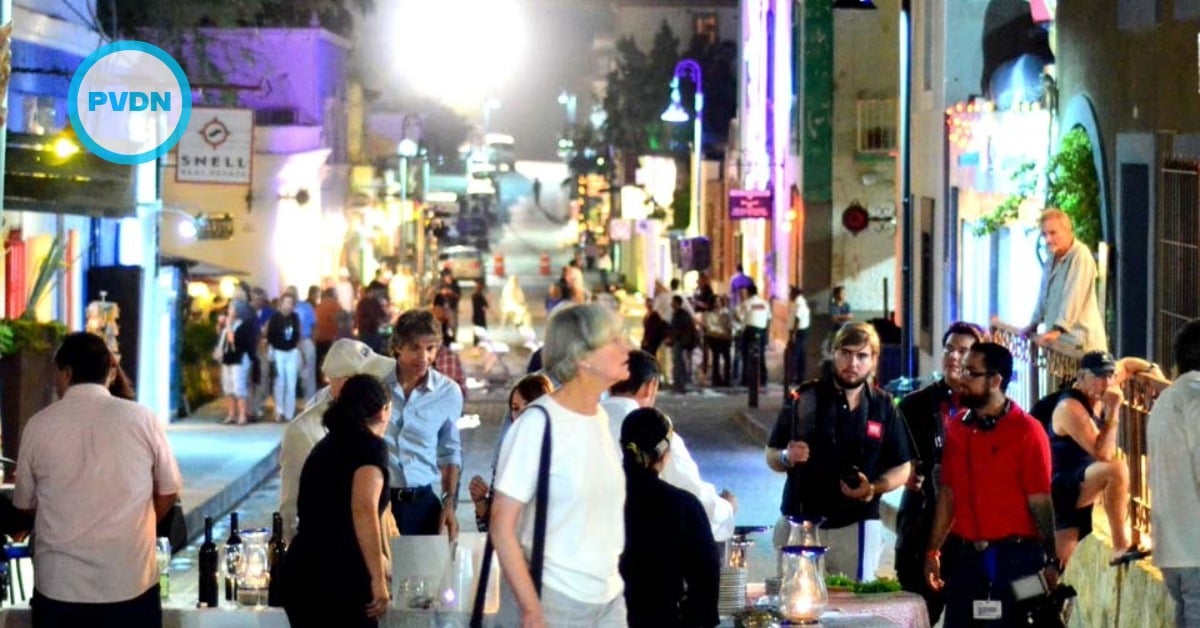
On a busy evening around Plaza Mijares, the hunt for a parking space can swallow fifteen minutes or more. Shopkeepers watch would-be customers loop the block, shrug, and leave. Residents say it’s worse than last season. Architects blame rules written for a smaller, slower town. Their diagnosis is simple: demand has surged, supply hasn’t, and the old playbook no longer fits a historic center that pulls in more people every month.
A recent local report captured the frustration. An architect argued that Los Cabos still relies on outdated construction and permitting standards that don’t match today’s volumes, and merchants described red and yellow curb restrictions, loading zones, and “exclusive” spaces that squeeze what little is left for the public. Residents added that cars sometimes sit for days, locking up scarce curb space. The message to City Hall: modernize, enforce, and plan for mixed modes—not just more asphalt.
San José parking shortage
The pressure isn’t abstract. Tourist traffic has kept pace with the region’s growth. Official monitoring shows Los Cabos airport processing roughly 300,000 passengers in peak months this year, with domestic arrivals trending higher even as some international flows soften. More visitors mean more taxis, rentals, and private vehicles feeding into the same narrow streets of the Josefino core. That helps the economy—and overwhelms parking built for a different era.
Weekly culture nights magnify the crunch. Every Thursday from November through June, Art Walk turns the district into a pedestrian magnet. Galleries stay open late; restaurants fill; streets slow to a crawl; drivers circle. That surge is an asset the city should protect, but it also spotlights how little slack remains in the system, especially when turnover is weak and enforcement sporadic.
Locals say the pain points are consistent: government offices concentrated near the square, event-night closures, and a patchwork of rules that leave shoppers guessing where they can legally park. Business owners describe losing sales on the busiest nights, with customers unwilling to risk a ticket or a tow, or to pay private-lot rates that feel steep for a quick stop. Residents echo the fatigue: if a block-face has even one long-term parker, the whole street jams up. The result is a daily choose-your-own-adventure that rewards the earliest arrivals and punishes everyone else.
Still, the shortage isn’t only about curb counts. It’s about time. When it takes too long to find a space, people change their plans. For a historic center that depends on casual foot traffic, those missed decisions compound—one family skipping dessert, one couple postponing a gallery visit, one neighbor avoiding downtown altogether because they “can never find parking.” That slow leak is a revenue problem as much as a mobility problem. And it’s solvable.
City officials have hinted at near-term mobility reforms, including a rework of routes and stops that could make transit more competitive for short trips to the core. That won’t replace parking, but it can chip away at the peak. Planners and merchants we spoke with say the key is sequencing: pair enforcement and turnover with alternatives, so people feel a practical way to arrive without bringing another car into the grid.
What fixing it would actually look like
First, tighten turnover where commerce depends on quick visits. That means well-marked short-stay bays near pharmacies, bakeries, and galleries, with real enforcement during business hours and on event nights. Second, align permits for new or remodeled businesses with the reality on the ground: if a venue draws sustained crowds, it should support them without exporting the burden to the street. Local architects have already called for a full overhaul of construction and parking standards; the city can translate that into clear ratios, shared-parking frameworks, and incentives for small off-street lots tucked behind facades—so we preserve the streetscape, not sacrifice it.
Third, manage the surges you already know you’ll have. On Thursdays, set up predictable drop-off zones and rideshare staging to keep cars from idling in front of crosswalks, and publish a simple event-night map that shows where spaces actually exist. On the city’s side, publish a commitment to consistent curb colors and signage; on the private side, bring lot operators into the tent with posted, capped “first-hour” fares so quick stops aren’t punished. The goal is trust: drivers should know what to expect when they turn the corner.
Finally, treat bikes and walking as crowd-relief valves. The historic center’s scale favors short trips, but only if people feel safe. Add visible racks in front of busy blocks; stripe or calm the cut-throughs where drivers speed to beat the lights; and keep the pedestrian experience clean and continuous so families decide to park once on the edge and stroll in. Those small design choices are cheap compared with building a garage and often deliver faster wins for merchants.
None of this is glamorous policy. It’s housekeeping—aligning rules with reality, then sticking to them. The upside is immediate: faster turnover, steadier sales, and fewer tempers on Thursday nights. The alternative is what San José del Cabo already knows too well. People will still come, but more of them will look for dinner somewhere they can actually park. That’s a loss the historic center doesn’t need to take.