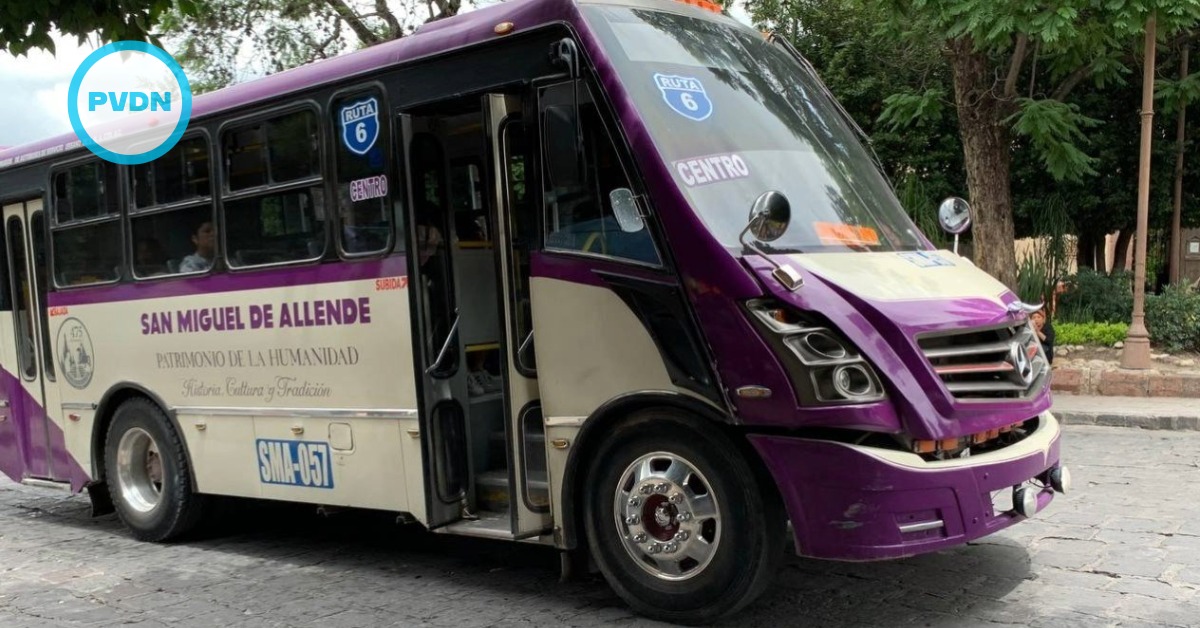
The San Miguel bus fare could increase from 8 to 10 pesos before the month’s end, if city councilors sign off on a plan now, before the committee. Mayor Mauricio Trejo said the vote should arrive in late November and stressed that any hike will be tied to concrete service improvements from concessionaires. He framed the change as “inevitable” after years without updates, arguing that better buses and safer operations won’t be possible at the current price. He made the remarks on Nov. 8 to local media.
This late-November target follows a stop-start year. In June, the mayor announced an agreement in principle with operators to lift the urban fare by two pesos—while keeping student and senior discounts—pending formal council approval. In September, the council declined to pass the increase and sent the issue to a working group focused on rider complaints and operating standards. The fare has therefore remained 8 pesos.
City messaging has varied on how long the price has been frozen. Saturday’s article said nine years; earlier statements from officials and local outlets put the gap closer to 13 years. Either way, the freeze is among the longest in the state and has become a political and practical fault line between users and operators.
San Miguel bus fare
The committee is now weighing conditions that operators would have to meet to access any increase. Trejo has pointed to fleet renewal, driver conduct and training, and compliance with rules that phase out the oldest vehicles. “It has to happen,” he said, “because we need to force upgrades and better service.” That framing suggests a “give-to-get” vote: two pesos only if tangible improvements begin on a clear timetable.
For riders, the debate is blunt: budgets are tight, but so is patience with breakdowns, erratic service, and abrupt maneuvers. For operators, diesel, parts, and labor have climbed while the base fare hasn’t. That tension is why councilors in September sent the issue to the workshop table instead of pushing through a quick vote. It bought time to write enforceable commitments and specify how the city will verify them.
Even with a two-peso bump, San Miguel would sit at the low end compared with other Guanajuato cities this year. León approved adult fares in the 12–14-peso range for 2025, and Guanajuato capital charges 10 pesos on its urban routes—both higher than San Miguel’s current 8 and the proposed 10. Those comparisons are part of the city hall’s argument that a modest adjustment still keeps local transit relatively affordable.
Nationally, price pressures and service-quality demands are colliding across systems. Mexico City and the State of Mexico negotiated fall adjustments for concessioned routes, pairing partial fare hikes with promised oversight. Analysts there describe a persistent gap between the “technical” fare (what service costs) and the “social” fare (what the public can pay)—a gap that starves maintenance if governments don’t step in with clear standards and enforcement. Those lessons are relevant as San Miguel scripts its own conditions.
What a late-November vote could lock in
If the council approves the two-peso rise, expect the city to present the fine print the same day: the milestones operators must hit, the oversight tools to measure progress, and the penalties if they fall short. Based on June’s outline, discounts for students and older adults would remain, and the city would lean on the increase to push unit replacement and safety standards across concessionaires. That structure mirrors how other Guanajuato municipalities have paired price moves with modernization agreements.
The political calendar also matters. Councilors already absorbed public blowback in September when they tabled the proposal. Advancing a vote this month lets them show they used the pause to sharpen conditions and protect riders—without leaving operators stranded. Trejo has said he wants councilors to “vote freely,” but his message is clear: no lasting improvements without fresh revenue; no fresh revenue without binding commitments. The balance is delicate, and the city’s credibility will rest on the enforcement piece as much as the price itself.
For commuters, the stakes are daily and personal. Two pesos on a single ride seems small; multiplied over weeks, it isn’t. If that money buys cleaner, safer buses and fewer missed shifts, many riders will see value. If not, frustration will spike. The next session will show whether San Miguel can craft a plan that honors both sides of that equation—and whether, after years of drift, public transport finally moves forward on schedule.