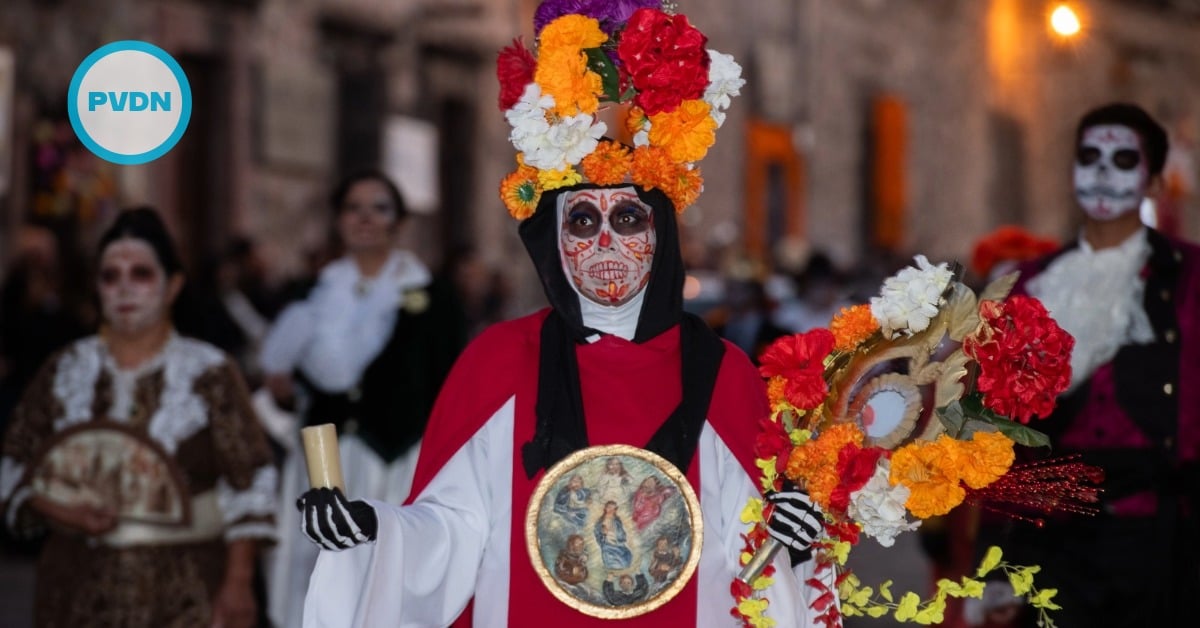
The San Miguel Catrinas parade didn’t just pass through the centro—it reshaped it. From El Cardo to the Jardín, thousands followed candles, trumpets, and towering mojigangas as officials kept the night safe and calm. Hotels brimmed. Balconies overflowed. And for a few hours on November 2, memory felt alive on the stones, dressed in flowers and light.
A night where memory glows and music leads, the San Miguel Catrinas parade swelled through the historic center on Sunday, November 2, and the city answered with joy. Families lined balconies. Children pointed at towering mojigangas. Visitors moved with the flow of candles and cempasúchil as if the streets themselves were a slow river. By night’s end, officials reported a safe celebration and crowds big enough to fill the Jardín and spill beyond the cobbles, the kind of turnout that reminds you why this city guards its traditions so fiercely.
San Miguel Catrinas parade
Local coverage set the scene: the procession stepped off from El Cardo and wound toward the Jardín Principal, led symbolically by Ignacio Allende on horseback, a nod that wove civic pride into ritual. More than three thousand people marched—schools, dance troupes, musicians, community groups, and a visible foreign resident contingent—while an estimated twenty-five thousand watched from sidewalks and windows. Those numbers match what reporters on the ground and regional outlets observed, and they track with how the city typically swells during these dates.
The route mattered. It turned the centro into a pedestrian sanctuary at peak hour, with the city’s security and operations teams pushing vehicles out and people in. Authorities said the night ended with saldo blanco—no serious incidents—after deploying more than 300 municipal workers and the whole operational staff of the Secretaría de Seguridad Ciudadana across crowd points, crossings, and cleanup zones. That quiet success is easy to miss amid the costumes and brass bands, but it’s what lets families linger under the marigold arches and take their time at the altars.
Crowds didn’t just come for the spectacle; they came to stay. Hoteliers and restaurateurs rode a wave of demand through the weekend, with local broadcasters reporting 100% occupancy on the books and reservations spilling into late seatings. If you walked the blocks off the Jardín you saw it: lines out the door, candles flickering inside, paper skulls in the windows. That density carried over from Friday into Sunday, a pattern that’s become the city’s Día de Muertos signature.
Culture isn’t static here; it breathes with whoever shows up. This year’s crowds mirrored a national surge of Catrinas events that swept Mexico from October 31 through November 2, each place reshaping the symbol to fit its own heartbeat. In San Miguel, that heartbeat sounded like zapateado on stone and trumpets bouncing off cantera walls; it looked like makeup that took hours and smiles that lasted the walk. The tradition may be centuries old, but the encounter is always new—memory staged in public, dressed to be seen.
What the night means going forward
If you measure a celebration by numbers, the parade delivered. If you measure it by feel, it delivered more. The route from Cardo to the Jardín wasn’t just logistics; it was a guided meditation through the city’s identity, a reminder that San Miguel’s real draw is the ability to make the past feel present and shared. After the last comparsa crossed, families drifted back to altars, and the streets slowly reopened. But the scent of cempasúchil stuck around, and so did the sense that the city had just done what it does best: open its arms and keep the night safe while memory did the rest.