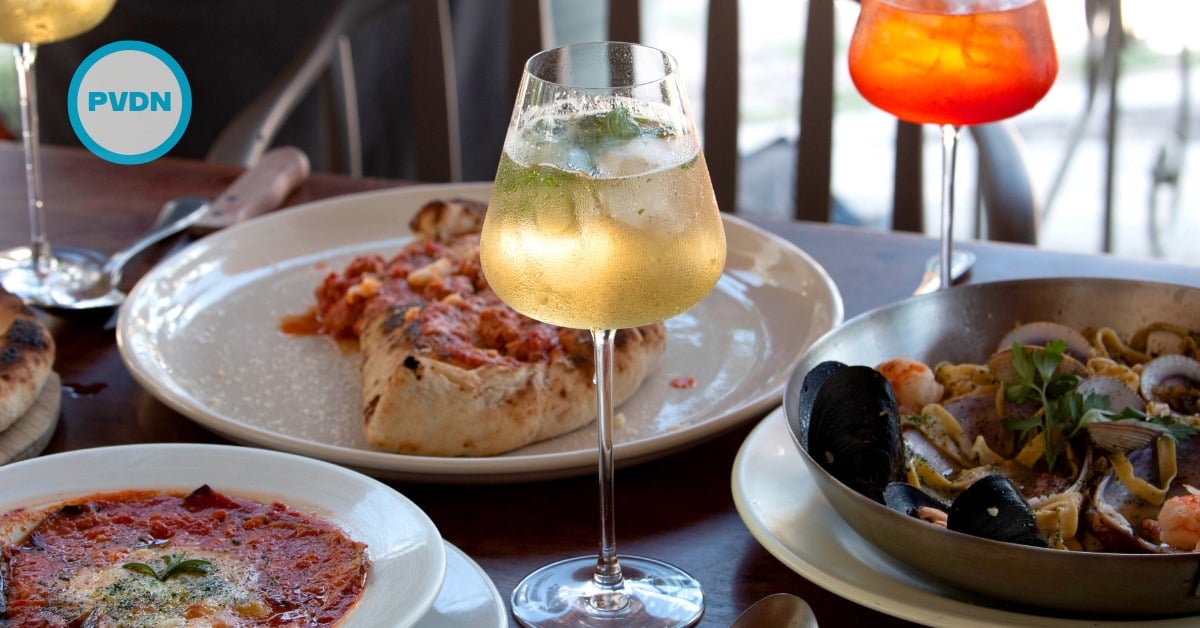
Guanajuato tourism officials and San Miguel restaurateurs are aligning a new state plan to turn the city’s kitchens into a driver of future growth.
A fresh push to put San Miguel food tourism at the center of Guanajuato’s strategy has brought state officials and local restaurateurs to the same table.
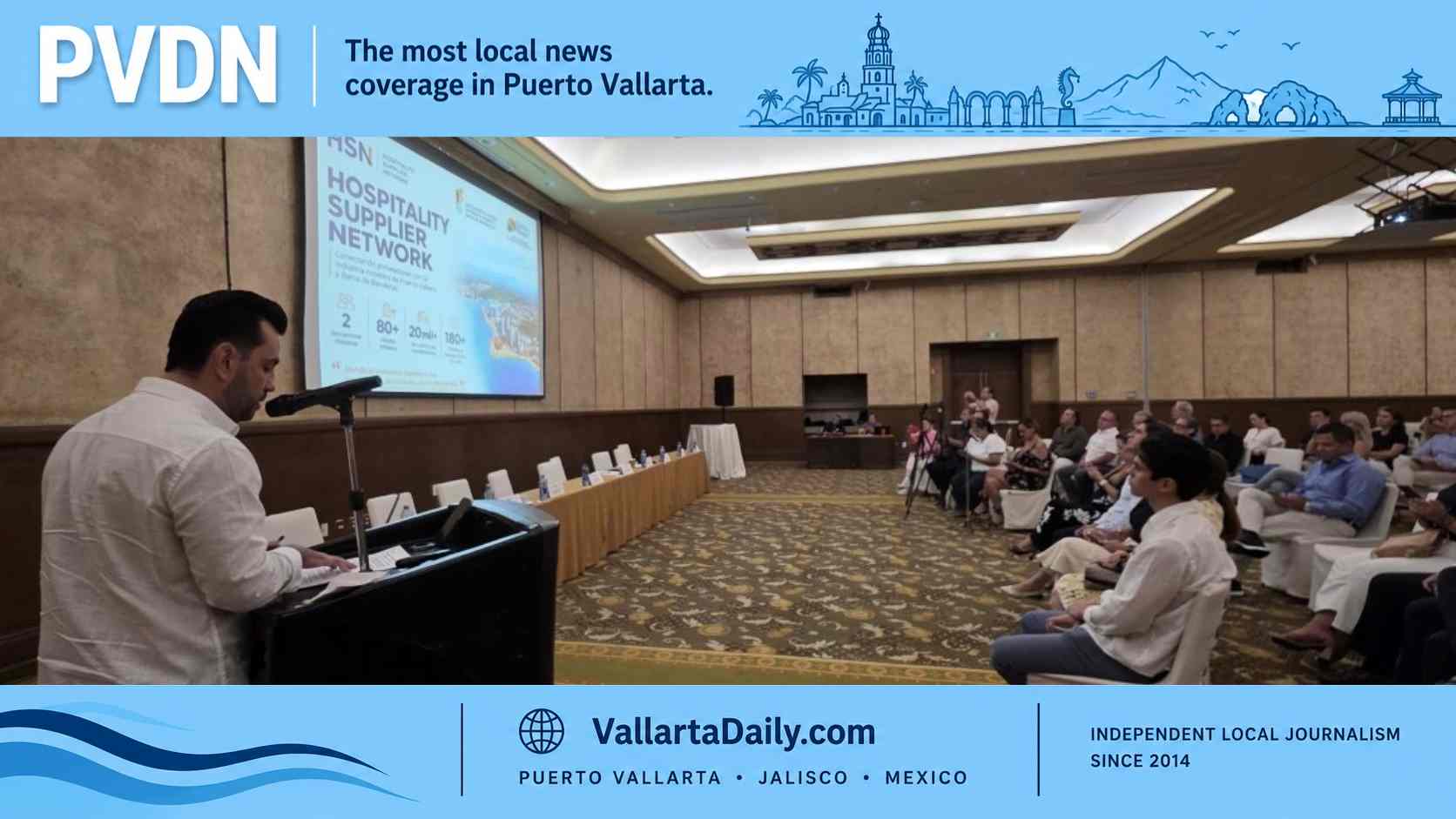
In late November, the state’s Secretariat of Tourism and Identity met with the San Miguel chapter of the National Chamber of the Restaurant and Seasoned Food Industry. The closed-door session in the World Heritage city focused on one big question: how to turn San Miguel’s already famous kitchens into a more deliberate engine for jobs, culture and year-round tourism.
State tourism secretary María Guadalupe “Lupita” Robles León used the meeting to unveil the latest guidelines of the State Tourism Plan and the support schemes that will roll out next year. She described the restaurant sector as a fundamental piece in maintaining the quality, innovation and hospitality that the state wants visitors to experience from the moment they sit down at a table.
Official figures shared in the room underline why San Miguel is now a priority. The city is the fourth-most-visited municipality in Guanajuato, with about 1.56 million visitors recorded between January and September this year. It also anchors a central tourism corridor with Dolores Hidalgo and Guanajuato City, blending wine routes, heritage sites and high-end dining in a compact region.
San Miguel food tourism becomes a state priority
The new plan treats gastronomy as much more than an add-on to colonial architecture and art galleries. Tourism officials outlined a strategy that ties support for restaurants directly to rural communities, local producers and small wineries, arguing that every dish served in San Miguel should bring money back into Guanajuato’s countryside.
According to the state, the upcoming measures will promote regional ingredients, support training for restaurant staff and back joint campaigns that sell San Miguel not only as a pretty city, but as a place to taste central Mexico’s contemporary cuisine. The goal is to arrive in the new year with promotion and funding lines ready, instead of reacting piecemeal to holiday surges and festival weekends.
Hotel data suggest the timing is not accidental. Federal tourism statistics show that in the first quarter of 2025, San Miguel’s hotels offered just over 3,100 rooms a day and filled roughly 40 percent of them on average, a slight but steady increase over the past two years. That points to a destination where demand is rising but still has space to grow, especially outside peak weekends.
For restaurant owners, the message coming from the state is that they are no longer a secondary beneficiary of tourism, but a central selling point. In the meeting, Robles León emphasized that restaurants are the “heart of the tourist experience,” the first door that many visitors walk through and one of the strongest memories they take home. Chamber leaders echoed that view, highlighting dining rooms as the front line where visitors decide whether to return or recommend the city.
The push builds on a string of recent recognitions. In early 2024, San Miguel was named “Best Gastronomic Destination in Mexico” by the Food and Travel Reader Awards, beating larger cities such as Mexico City and Oaxaca. Local authorities credited that award to waiters, cooks, dishwashers and taxi drivers as much as to celebrity chefs, framing it as proof that the entire service chain already functions as an informal marketing team for the city’s food scene.
What the new push means for local restaurants
Behind the optimistic language, the new alliance is also a response to growing pressure on San Miguel’s historic center. A sustainability study commissioned for the city in recent years concluded that rapid tourism growth has begun to strain streets, public services and housing, while still relying heavily on attractions like festivals, rooftop bars and a dense concentration of restaurants in the core.
By working more closely with the restaurant chamber, state officials are betting that a coordinated approach can spread the benefits of tourism while managing some of its side effects. One priority is to guide visitors toward experiences that connect them with nearby communities, vineyards and family-run kitchens instead of concentrating all demand in a handful of blocks around the main square.
Wine producers and academia are part of that conversation. The San Miguel meeting brought together the local president of CANIRAC, leaders from the state grape and wine association, tourism development officials and representatives from training institutions. The mix points to an agenda that includes workforce development and product design as much as marketing campaigns.
For diners, the changes may first appear in subtle ways: menus that highlight Guanajuato wines and cheeses, staff trained to discuss the origins of ingredients, or food events that pair historic walking tours with tastings. For restaurant owners, the impact will depend on how quickly promised supports and joint promotions become concrete programs, and how accessible they are for small and mid-sized businesses, rather than only for marquee venues.
What is clear is that the state wants San Miguel’s reputation for good food to match its fame for architecture and lifestyle. City officials have already framed the Food and Travel award as a recognition earned by the people who cook, clean and serve every day. The new SECTUR–CANIRAC alliance takes that idea a step further, treating those workers and their employers as strategic partners in planning the next phase of tourism.
If the plan works, visitors arriving over the next few years may find a city where eating well is not just an optional splurge but the main reason to come in the first place. And for many of the people who make their living in San Miguel’s kitchens and dining rooms, that could mean a stronger voice in how the city markets itself and manages the flow of guests that already shape daily life in the historic center.