If you arrive with only a day to spare, San Miguel de Allende can feel almost unfair. This hilltop city of cobblestones and bell towers has earned its reputation as a UNESCO World Heritage darling, and the list of “musts” stretches far beyond a short stay. Still, you can build a day that touches its gardens, its markets, its ancient past, and its most famous skyline.
The trick is to keep the circle small. Stay close to the historic center, choose just a few key excursions, and let the city’s slow rhythm set the pace. A thoughtful plan for San Miguel in 24 hours will feel less like a race and more like a long exhale.
Start with shade and birdsong rather than bricks and traffic. South of the center, Parque Benito Juárez spreads out with tree-lined paths, wrought-iron benches, and a mix of formal gardens and slightly wild corners. The park began to take shape at the turn of the twentieth century and was later renamed to honor former president Benito Juárez. Today it works as the neighborhood’s backyard, with children on the playgrounds, walkers tracing loops under jacarandas, and weekend art shows that spill across the paths when the weather cooperates.
From here, it is an easy walk back toward the old streets. As the facades tighten and the traffic thickens, the day starts to feel more urban. This is a good time for coffee or a quick breakfast near the park, because once you duck into the market area, the temptations change from food to folk art.
San Miguel in 24 hours
The Mercado de Artesanías is not a single hall but a narrow pedestrian passage that runs for several blocks, lined with stalls and small shops. Here you see the work that has helped make San Miguel famous among craft lovers: brass lamps, handwoven shawls, embroidered blouses, papel maché figures, pottery, carved stone, and silver jewelry. Many pieces are made in town or in nearby communities, and you feel that when a vendor explains the process behind a wool rug or a hammered metal toy. Even if you buy only something small, you are putting part of your day’s budget directly into local hands.
The market empties you out near the tangle of downtown streets. You will glimpse the tall pink towers of the parish church above the rooftops, but leave that visit for later. With only one day, the middle stretch is where you trade city noise for open sky.
About twenty kilometers from the center, the archaeological zone of Cañada de la Virgen sits on a plateau above the Laja River basin. The site was once part of a larger pre-Hispanic city tied to Otomí and Tolteca-Chichimeca cultures, with pyramids and ceremonial platforms aligned to the movements of the sun and moon. Archaeologists have dated its occupation across many centuries, and studies of the main pyramid show how its stairways and plazas were used for sky watching and ritual. Access is controlled, and visits follow set routes with guides, which helps protect both the structures and the surrounding landscape.
Standing on the main plaza, you look out over the countryside rather than the city. It is a useful reset in a one-day itinerary. San Miguel’s manicured streets can make visitors forget that the town sits in a broader highland region with deep Indigenous histories. A few hours at Cañada de la Virgen bring that story back into focus. The sun can be sharp, so this part of the day works best with a hat, water, and comfortable shoes.
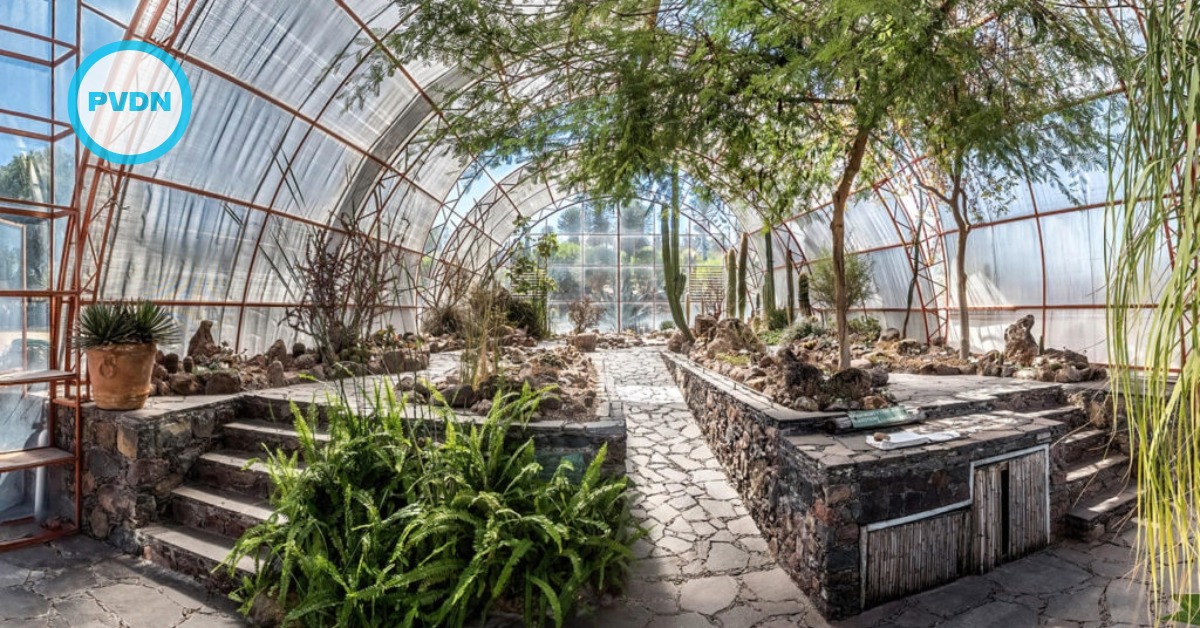
When you return toward town, aim next for the opposite edge of the urban grid, where the land drops into a rocky ravine. There, El Charco del Ingenio offers a second kind of quiet. This botanical garden and nature reserve protects roughly sixty to seventy hectares of semi-arid landscape, including wetlands, scrub, canyon, and reservoir. Paths wind between stands of nopal and agave, past viewpoints that frame the town’s skyline, and through areas planted with a collection of Mexican cacti and succulents, many of them rare or threatened.
Desert light and pink towers
In El Charco del Ingenio, the mood is contemplative rather than manicured. Bird calls carry across the dam, and at certain times of year, migratory species share space with local herons and ducks. Signs along the trails explain the plants and ask visitors to stay on paths, a reminder that this is a living laboratory as much as a sightseeing stop. For a compressed itinerary, an hour or two here replaces the need for a longer hike outside town while still giving you the smell of dust, resin, and water that defines the region.
By late afternoon, it is time to let the city close in again. Head back to the historic center as the light softens. The streets funnel you toward El Jardín, the main square, and the building that has anchored San Miguel’s image for more than a century: the Parroquia de San Miguel Arcángel.
The parish church began life in the seventeenth and early eighteenth centuries with a more conventional Baroque facade. Its now-famous face came later. Between about 1880 and 1890, local stonemason Zeferino Gutiérrez designed and built the soaring neo-Gothic front in pink cantera stone, drawing on images of European cathedrals and his own imagination. The result is a vertical fantasy of spires, pointed arches, and carved niches that can be seen from most parts of town and has become one of the most photographed churches in Mexico. Inside, the parish still functions as a living place of worship, with altars, side chapels, and paintings that speak to centuries of devotion.
As dusk falls, the towers glow first in natural light, then under artificial illumination. The square fills with families, visitors, street musicians, and balloon sellers. If you had more than a day, you might spend this hour on a rooftop terrace, watching the church rise above the tiled roofs. With only one night, simply sitting on a bench and listening to the bells is enough. It is here that the threads of your brief loop come together: the park where locals walk, the market where artisans sell their work, the ancient city on the plateau, the desert garden in the ravine, and the parish that has watched them all for generations.
You will not “finish” San Miguel de Allende in a single visit. No one does. But if you follow this arc through gardens, markets, ruins, canyon, and plaza, your memory of the town will hold more than a single postcard view. It will carry air, sound, and texture, and a sense that even in a rush, you allowed the city to unfold at its own pace.