A new honor for Guanajuato wine. Viñedo San Miguel picked up a Social Responsibility prize at the Aire Tinto festival in Val’Quirico, days after crossing the 100-medal mark across competitions. Organizers highlighted its community work as well as the quality of the glass. We verified the distinction with official industry sources and examined the bigger picture: why this win matters for Mexican wine’s credibility abroad, local jobs, and future vintages. Here’s what was awarded, who confirmed it, and what it signals next.
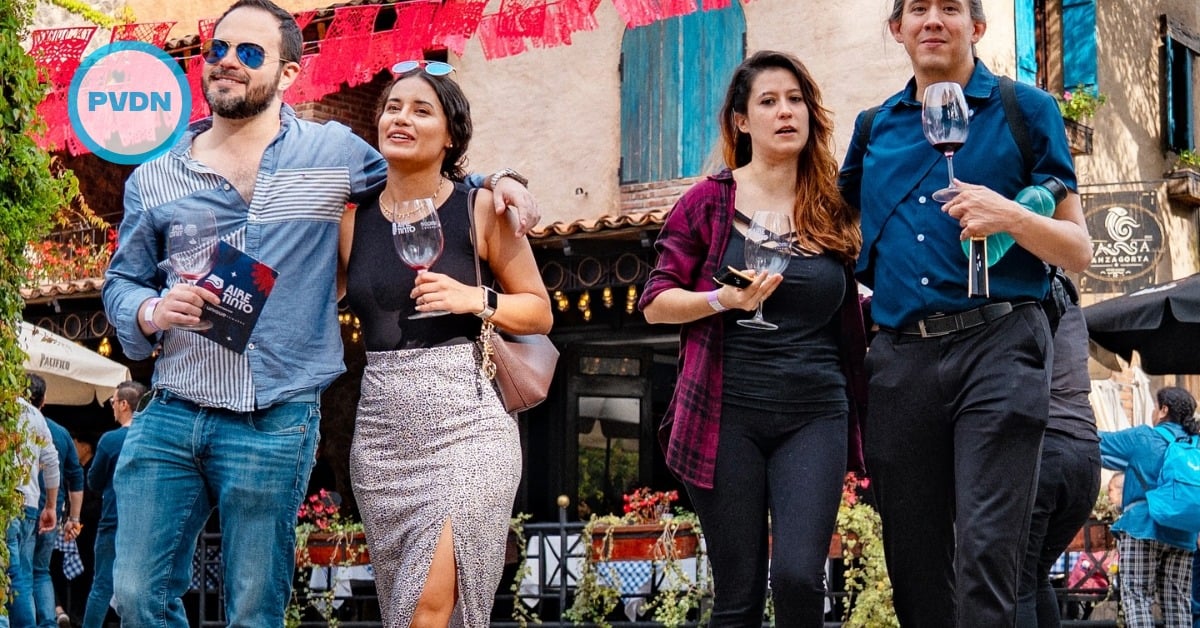
The weekend crowd in Val’Quirico wasn’t just chasing pours. It was watching a winery with momentum get credit for more than its medals. Viñedo San Miguel’s award for Social Responsibility at this year’s Aire Tinto festival recognizes a steady effort to show up for its community, not just on the podium. The Mexican Wine Council confirmed the distinction publicly, which framed the prize as a nod to work that ties wine to social good.
Viñedo San Miguel award
Aire Tinto staged its 2025 edition from October 18–19 at Val’Quirico, a Tuscan-style complex near the Tlaxcala–Puebla line. Alongside tastings and music, organizers rolled out their new awards slate to spotlight sustainability, social responsibility, and the distributor of the year—an explicit push to celebrate ethics and impact, not only scores. The festival’s official materials set that tone weeks before; the weekend delivery followed through.
For Viñedo San Miguel, the timing fits. The San Miguel de Allende producer has been on a run in top-tier competitions, and local media and industry figures have noted that it recently crossed the 100-medal threshold across national and international contests. That wave included a gold this year at the Decanter World Wine Awards for its Blend Reserva 2019, a result the Guanajuato government highlighted as part of the state’s improving showings abroad. The Decanter win matters because it’s a blind-tasted, global field; a medal there translates outside Mexico’s borders.
The Social Responsibility prize lands in a space wine sometimes struggles to fill: proving benefit beyond the bottle. Organizers cited community impact in explaining the decision. In practical terms, that usually looks like hiring and training in the region, partnerships with local suppliers, educational programming, and more careful land and water use. Not every initiative is flashy. The point is that it compounds—season after season—and builds trust with neighbors who live with the industry long after the festival tents come down. The Mexican Wine Council’s note underscored that link between cause and craft.
Aire Tinto itself has grown into a platform that nudges the conversation in that direction. Bundling awards to ethics-focused categories with a high-traffic consumer event puts reputational weight behind practices many producers already value. It also gives drinkers a more straightforward way to find the labels that are trying to do more. In a young wine region like central Mexico, that signaling accelerates learning on both sides of the bar. When the trophies and playlists are gone, the reputational lift remains.
Why this matters now
Mexico’s wine credibility is climbing, but glass by glass, it’s still being tested abroad. Results at Decanter, Mundus Vini, and other fields help, yet medals alone don’t answer bigger questions about how the industry treats people and place. That is why a Viñedo San Miguel award anchored in social responsibility lands with extra weight in 2025. It says a Guanajuato winery can compete overseas and still be judged by what happens at home. It says festivals can reward that balance publicly, not just in side panels. And it hints at a future where consumers expect both: excellence in the glass and accountability beyond it.