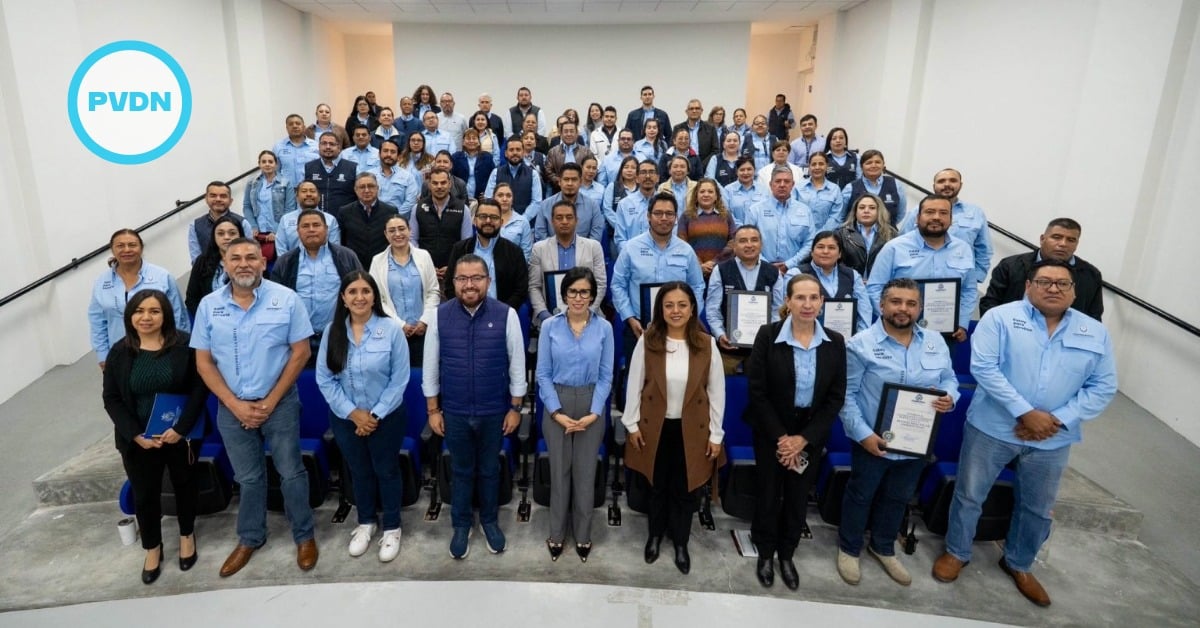
San Miguel de Allende, Guanajuato. The Las Cuevitas neighborhood center was packed on November 20 when Guanajuato’s environmental watchdog handed out Good Environmental Practices distinctions to 60 Nuevo Comienzo centers. For the state government, the ceremony was a way of saying that the fight against climate change now runs through community spaces where families already gather to learn, exercise and seek support.
The recognition was delivered by the Procuraduría Ambiental y de Ordenamiento Territorial, known as PAOT, during an event hosted at the Centro Nuevo Comienzo DIF Pilares Barrio Las Cuevitas. Staff from centers across the state travelled to San Miguel de Allende to receive the plaques after a months-long process that began in April, when they first signed up to measure and improve their environmental performance.
According to PAOT’s own criteria, the Distintivo Buenas Prácticas Ambientales is awarded to institutions that reduce the use of water and energy, cut waste and manage green areas more carefully, all while creating a culture of shared responsibility around climate change. To earn the distinction, the Nuevo Comienzo centers had to review how they use key resources in their daily operation and design actions to reduce their environmental impact.
At the ceremony, PAOT head Karina Padilla highlighted the effort behind each plaque and reminded the local teams that their work does not end with a photo op. She urged coordinators to take what they learned in the process and share it with every person who walks through the door so that environmental care does not stay inside meeting rooms, but reaches the streets and homes of their users.
Community Centers as Climate Classrooms
The setting for the event underlined that message. The Las Cuevitas center is the largest of the eight Nuevo Comienzo DIF Pilares spaces operating in Guanajuato and the only one that offers workshops for people with visual impairments. Opened in September, it was created as a place for cultural, sports, educational and inclusion activities aimed at strengthening family and community life in one of San Miguel’s traditional neighborhoods.
Today it also functions as an example of how social programs can fold environmental care into their everyday work. When the center hosts a cooking class, a homework club or a fitness session, the environmental criteria of the program apply to issues such as water use, electricity, cleaning products and the amount of waste generated. Small operational choices, such as switching off unused lights or planning activities around reusable materials, form part of the commitments that the Distintivo asks institutions to keep.
The Nuevo Comienzo model is based on close contact with residents. Teams at each center interact daily with children, teenagers, adults and older people who attend workshops, counseling sessions or community events. The goal of the initiative is that visitors carry simple environmental practices back to their homes, extending the impact well beyond the walls of the buildings.
Secretary of Nuevo Comienzo Rosario Corona told attendees that this kind of contact is also a responsibility. She described the staff as people who touch the lives of families every day and said that, in the environmental field, that contact can plant seeds that later grow into long-term habits and community projects.
San Miguel environmental practices
The 60 centers that received the Distintivo form part of a wider network of organizations in Guanajuato that have voluntarily joined PAOT’s environmental program. Universities, private companies and public institutions have already taken part in recent years, and some participants have reported concrete savings in water, energy and solid waste after they completed the steps required by the scheme.
For Nuevo Comienzo, this first wave of recognitions marks a new stage. The centers were created to give neighborhoods access to safe, nearby spaces where people can gather, learn and build support networks. Now their role also includes helping residents see how environmental care connects with local issues, from water and energy use to waste management, and what they can do in their own routines to respond.
Officials stressed that the work continues after the ceremony. PAOT can carry out follow-up visits to verify that the actions described in each center’s plan are in place. The program is structured around annual calls and environmental indicators that measure issues such as water and energy use or waste generation.
At the end of the event in Las Cuevitas, PAOT and Nuevo Comienzo authorities invited the 60 centers to renew their commitment next year and to act as examples for other community spaces in the state. That continuation would align with the program’s purpose of encouraging more families in Guanajuato to reconsider the resources they use every day.