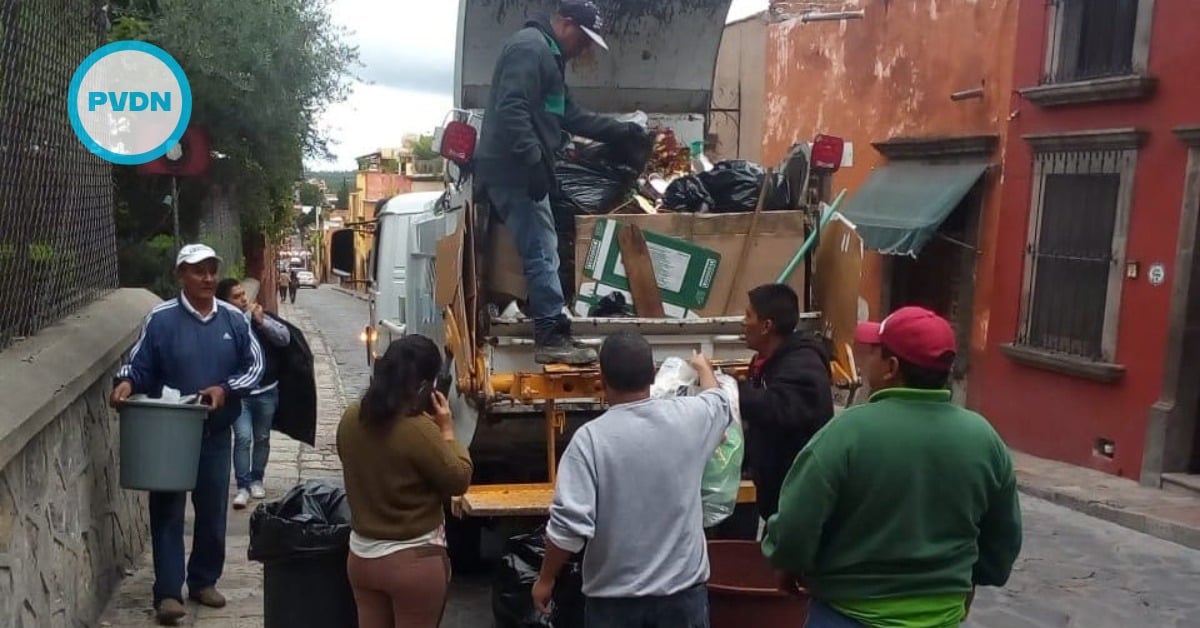
If your trash truck shows up on time next week, that’s the point. San Miguel de Allende moved quickly after its current operator, Tecmed, signaled it may end its contract early. On October 23, 2025, the city council approved an emergency call for a new concessionaire, declared the municipality unable to run the service directly, and created a commission to review proposals. The aim: keep pickups steady if Tecmed steps away.
San Miguel garbage concession
City officials said they do not want two parallel contracts. Instead, they want a vetted company ready to step in so households aren’t left with weeks of uncollected waste while procurement plays out. The mayor framed the move as a continuity plan to avoid a 30–40-day gap that could become a health issue during any handover. The council’s vote was unanimous, and the directive includes the rules for the emergency call and the review panel that will evaluate bidders.
Under Mexico’s municipal framework, trash collection is a local public service. Article 115 of the Constitution puts “limpia” and waste management squarely under the municipalities’ charge. That allows cities to provide the service themselves or grant it by concession, as San Miguel has done. The legal footing here matters: it’s what enables the city to move with an emergency call when continuity is at risk and to structure a clean handover.
Tecmed’s current agreement runs to 2032, a 15-year term awarded in the previous administration. In practice, that means the city must carefully prepare for the transition if the incumbent exits early, including ensuring asset readiness, routes, and staffing continuity so neighborhoods don’t see skipped days. Local reporting from the time the concession was granted described a long-horizon model with added trucks and container systems—a context that helps explain why replacing a mature operation can’t be done overnight.
What residents should watch now
For now, pickups should continue as normal. The emergency call is about lining up a successor, not switching providers this week. Expect the review commission to focus on financial capacity, fleet size, maintenance plans, and the ability to cover both the historic center and outer communities without disruption. If the process works as intended, the city can execute a back-to-back handoff to the winning bidder with minimal downtime.
The broader picture: Waste collection is one of the most visible city services. When it fails, the impact is immediate—overflowing bins, pests, and blocked sidewalks. When it works, people hardly notice. That’s why the council is acting before a rupture occurs. The city’s message is straightforward: be prepared, not reactive. San Miguel garbage concession changes can feel abstract, but at street level, the stakes are simple—keep the trucks rolling, keep neighborhoods clean, and keep public health risks at bay.
Residents should keep an eye on official updates as the call opens and proposals come in. If you rely on set pickup times, keep following your regular schedule unless the city posts route changes. If the handover proceeds, look for announcements on the start date specifics, any container swaps, and who to call for missed service. The promise from city hall is continuity first, process second. The test will be how seamlessly the next contractor—if selected—can match or outperform the current routes on day one.