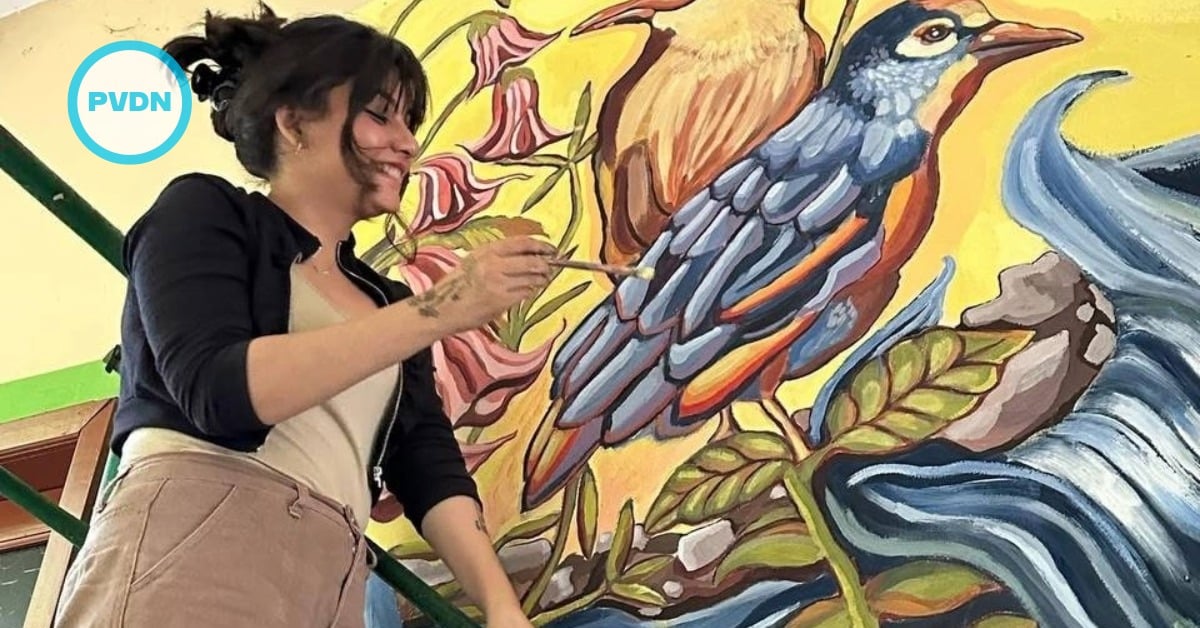
San Miguel de Allende’s walls have long told stories. This week, one of those stories is being prepared by Jazmín Raya, a visual artist from Uruapan now living in San Miguel. She’s organizing a mural to honor Carlos Alberto Manzo Rodríguez, the Uruapan mayor shot during Day of the Dead festivities, and she’s asking neighbors to help with materials. Hence, the tribute becomes a shared legacy. Her plan and call for support were first reported locally, along with her intention to fuse personal grief with a public message that endures.
Authorities say Manzo was killed on the night of November 2 during a crowded celebration. Investigators later identified the shooter as a 17-year-old, who died at the scene after security forces responded. State officials and national outlets have publicly linked the attack to organized crime, underscoring how local leaders in Michoacán face persistent risk despite security deployments.
San Miguel heritage mural
Raya’s idea is simple and human: make something beautiful that keeps a name present. She has a sketch ready and, according to local coverage, is sourcing paint and supplies while she finalizes the surface. That outreach has already surfaced on San Miguel community feeds, where posts amplify her ask for a wall and community support. In a city where street art is part of the daily walk, the notion of a memorial piece resonates.
The timing matters. Manzo’s killing sparked an immediate response across Mexico’s press, with additional context on the alleged criminal links behind the attack. His widow has since been tapped to assume municipal leadership, while prosecutors in Michoacán point to the Jalisco New Generation Cartel as a likely actor—one of several groups that contest territory in the state. These developments give Raya’s project a wider frame: it’s not only remembrance, it’s a civic stance against the normalization of violence.
San Miguel de Allende offers fertile ground for that statement. Over the past decade, neighborhoods like Colonia Guadalupe have embraced muralism as everyday culture, and municipal programs continue to refresh facades and public spaces. A memorial work here doesn’t feel like an interruption; it reads as part of the city’s visual diary—something locals and visitors will encounter on their way to the market or back from a gallery.
Raya’s connection to Uruapan gives the project deeper roots. Uruapan residents and artists have already painted tributes to Manzo at home—most notably in the Barranca del Cupatitzio park—turning plazas into spaces of shared memory. Bringing that energy to San Miguel helps bridge two communities that, while different, know the power of murals to hold a city together when words falter.
The investigation into the assassination has moved quickly. Newsrooms from Mexico City to international agencies detailed the shooter’s identity and methods, while rights advocates warn about criminal groups recruiting minors. That debate—what draws teenagers into organized crime—won’t be settled by a painting. But public art can change how a city processes fear and loss, and who gets to speak in public space.
What this could mean a year from now
Imagine the daily life around the finished wall. Tourists will snap photos, sure. But the mural’s first audience will be street vendors setting up early, schoolkids cutting through side streets, and neighbors who know why a politician’s face hangs ten feet tall in a UNESCO city. If the work holds, it will become less about one night in November and more about the responsibility to remember what communities owe to those who stood up —and to those who still do. That is the quiet ambition of this project.
Whether the mural shows Manzo’s portrait, a symbol, or scenes of community work, it will enter a local canon where public art is not just a backdrop but a civic text. And in the long run, that matters. A city’s memory isn’t kept only in archives and ceremonies; it’s preserved in the places where daily life happens. If Raya and her helpers get the paint and wall they need, San Miguel de Allende may add one more page to that book—one brushstroke at a time.