San Miguel’s mayor wants trains, but not at any cost. As Guanajuato fine-tunes an interurban route across the Bajío, the question is whether the line should touch San Miguel—and under what conditions. The governor says adding municipalities is on the table; the mayor says security must come first if the trains come through. Behind the headlines are federal works to connect Mexico City and Querétaro, local station studies in Guanajuato, and a city still healing from high-profile violence. Here’s what’s known—and what isn’t—right now.
What officials are actually saying
Guanajuato’s governor Libia Dennise García told OEM’s Bajío edition that efforts to add municipalities to the Interurban Train aim to benefit the state. San Miguel de Allende mayor Mauricio Trejo said any alignment past the city must come with a robust security plan. The OEM piece places the discussion on October 1 and leads the Local section with those positions.
State and municipal messages around San Miguel track with a broader Guanajuato push on rail. This fall, the state announced the start of work on an interurban corridor linking Querétaro–Irapuato, with a later extension to León. At the same time, federal and local actors continue siting studies for stations, including two proposed for Silao. Neighboring Irapuato is already weighing a station move to avoid the historic center.
San Miguel passenger rail
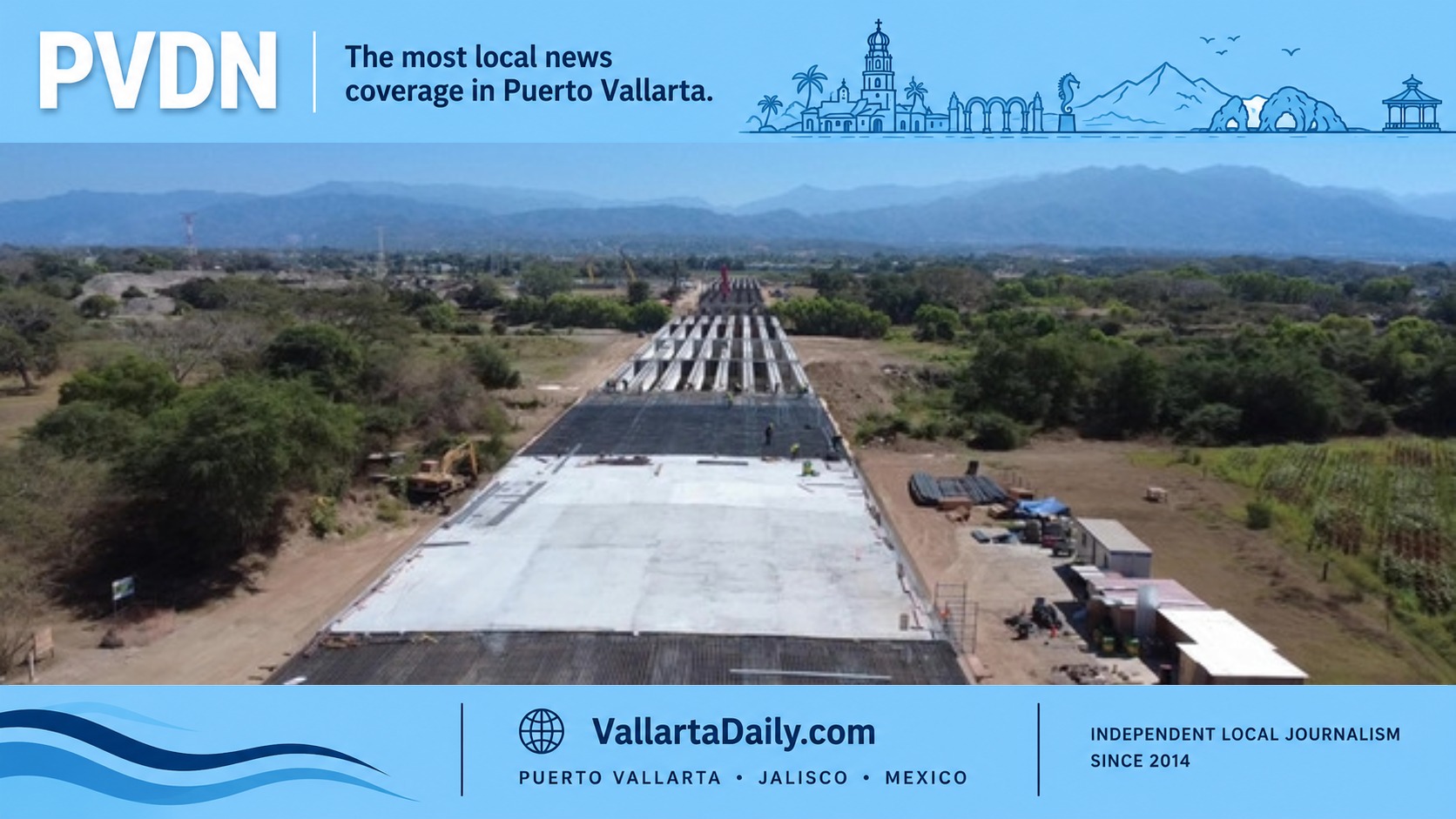
Any San Miguel stop would connect into a broader national build-out. The Mexico City–Querétaro passenger line, a flagship federal project under President Claudia Sheinbaum, broke ground this year with stations at Buenavista, Huehuetoca, Tula, and San Juan del Río, and is planned for integration with Metro, Metrobús, and QroBus. Guanajuato’s interurban segment is being framed as the following link in the spine leading to the Bajío.
The security caveat is not abstract. San Miguel has endured high-profile violence this year, including an August mass shooting that left two dead and many injured during a religious celebration, and the mayor has publicly tied the city’s tourism engine to safety upgrades. That context explains why City Hall is pressing for a preventive strategy if passenger trains cross the municipality.
What’s still unknown and what to watch
Officials have not released a finalized Guanajuato alignment or a yes/no on a San Miguel stop. Current signals point to active federal studies on station locations and local negotiations to balance mobility, heritage protection, and policing demands. Watch for environmental and right-of-way filings, formal route maps from the state, and any federal siting notices that would lock in stations before civil works expand beyond the Querétaro–Irapuato stretch.
The idea of San Miguel passenger rail is on the table, not on the tracks. The state wants connectivity; the city wants guarantees. Until the route maps and security plans are finalized in black and white, this remains a live negotiation rather than a done deal.