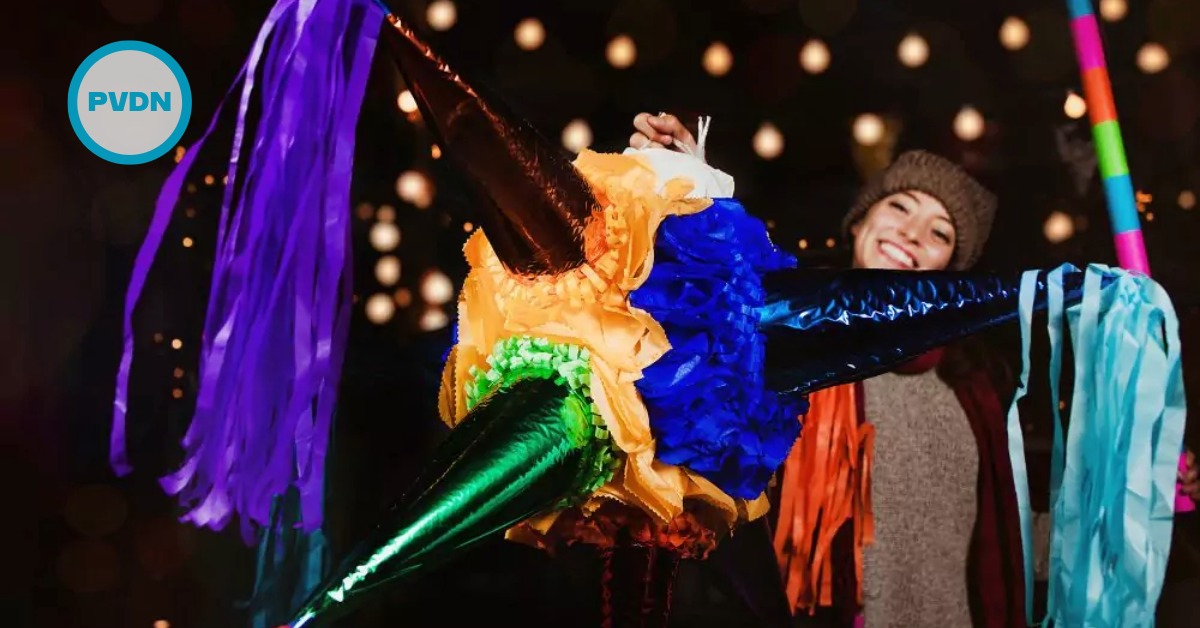
San Miguel de Allende’s public posadas run Dec. 16–24 at 7 p.m., moving nightly between churches with songs, candles, and community.
San Miguel de Allende starts its public Christmas posadas on Tuesday, December 16. The tradition runs every night through Wednesday, December 24. For nine evenings, the city shifts into a familiar rhythm. People gather at dusk. Candles come out. Songs fill the streets. Neighbors fall in step behind a procession moving from one point to another.
This year’s public calendar keeps the pattern simple. The walks begin around 7 p.m. each night. The starting point and the arrival spot change daily. That detail is not just logistics. It’s the point. The city is inviting people to follow the story of a journey, one night at a time, across different streets and neighborhoods.
For visitors, the temptation is to treat posadas like a show. Locals still feel it’s a shared duty. You show up. You sing, even if you don’t know every line. You walk with the group. You make room for kids and elders. You let the night move at the pace it needs.
San Miguel posadas season
San Miguel posadas season is built around movement and repetition. The public routes released for 2025 trace paths that pass major churches and community spaces. The opening night on December 16 begins at the Parroquia de San Miguel Arcángel. It ends at the Templo de San Francisco. On December 17, the walk starts at San Francisco and finishes at the Templo de Nuestra Señora de la Salud.
On December 18, the procession leaves from the Templo de la Salud and arrives at the Templo de la Inmaculada Concepción, often called “Las Monjas.” On December 19, it starts at Las Monjas and ends at the Parroquia de San Antonio de Padua. On December 20, it moves from San Antonio de Padua to the Templo de San Juan de Dios. On December 21, it goes from San Juan de Dios to the Templo del Oratorio.
The final stretch leans further into neighborhood life. On December 22, the procession leaves from the Oratorio and finishes in Colonia Aurora, in the area known as “La Herradura.” On December 23, it starts in Colonia Aurora and ends at the Templo de Santa Ana. The closing night on December 24 begins at Santa Ana and finishes at the kiosk in the Jardín Principal.
If that sounds like a lot of names, it is. But the takeaway is easy. The public posadas are not pinned to one plaza. They travel. That means different blocks become the “center” for a night. It also means the crowd can feel different each evening. Some nights draw families who live nearby. Other nights pull people in from across town. Either way, the experience is meant to be walked, not watched.
People sometimes ask what they should do if they want to attend respectfully. The best answer is to keep it simple. Arrive a little early. Follow the group. Keep your phone down when you can. Give space to the front of the procession. If you bring children, keep them close. If you are new to the songs, listen first. You will catch the rhythm fast.
Why posadas still matter in San Miguel
Las Posadas are more than a holiday outing. They are a nine-night devotional tradition tied to the days before Christmas. The story centers on the search for lodging, which is where the word “posada” comes from. Over time, the ritual spread from church settings into streets, homes, and neighborhoods. The blend of faith and community celebration became the point, not a side effect.
San Miguel’s public version keeps that communal feel visible. The procession itself is the heart of it. The walking, the candles, the singing, and the simple act of moving together matter. So does the way the city ends the season. December 24 is not treated like “just another night.” It lands on Nochebuena, when many families focus on the Nativity and the arrival of the Niño Dios. In many places, that final night carries a quieter kind of emotion, even when the streets stay lively.
There is also a practical reason these events endure. Posadas create safe, familiar gathering points during a season that can feel expensive and rushed. You do not need a ticket. You do not need to know the right person. You can show up and be part of something that still belongs to everyone. That matters in a city that welcomes many outsiders, especially in December.
For travelers, the best way to understand a posada is to stop thinking like a tourist for an hour. Walk with the group. Let the songs repeat. Notice who is guiding the pace. Watch how people greet each other along the way. The tradition is not trying to impress you. It is trying to include you on its own terms.
If you only attend one night, choose the one that fits your stay. If you can attend more than one, do it. The shifting routes are part of the story. Each night shows a slightly different San Miguel. By Christmas Eve, the whole thing feels like it has gathered momentum. Then it ends, almost suddenly, as it always does.