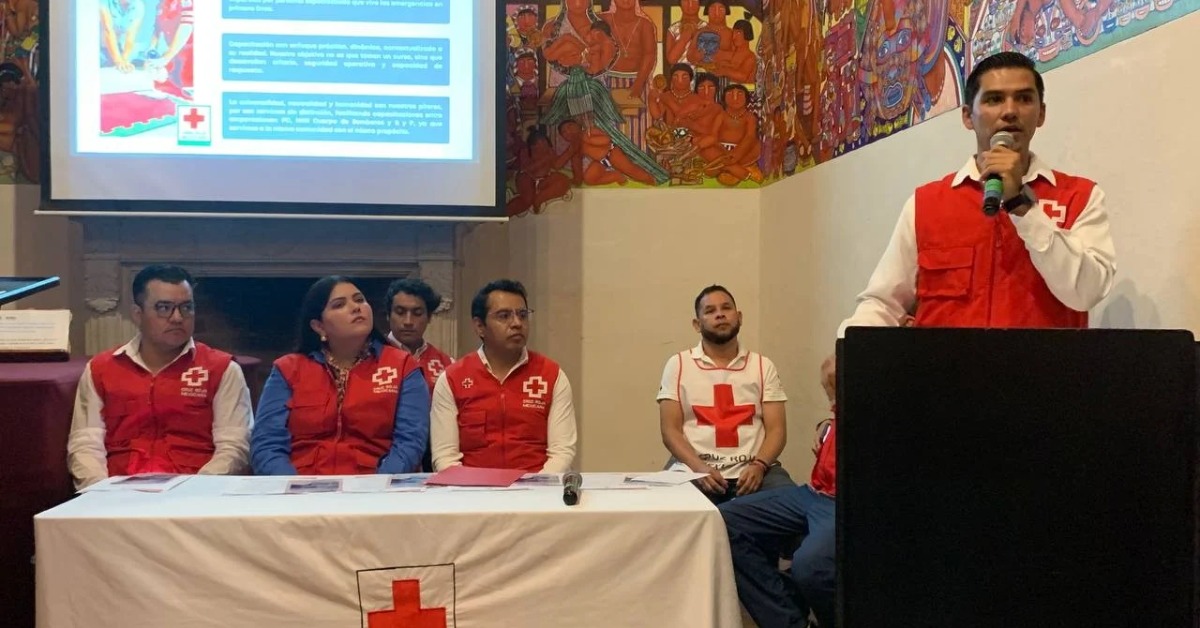
The Red Cross delegation in San Miguel de Allende says it closed 2025 after handling 7,539 services, while overall demand for emergency and rescue work rose about 14 percent from the previous year. The branch reported an average of 19 patients per day, roughly one person every hour and twenty minutes. That is a heavy pace for a local emergency service, especially in a city that continues to grow, attract visitors, and push more traffic onto local roads.
The report suggests the pressure is not limited to occasional busy weekends or holiday periods. It points to a steady increase in the daily load on crews and vehicles. Local officials also said 97 percent of services are provided free of charge, which explains why higher demand does not automatically translate into easier finances. In practical terms, more calls often mean more fuel, more maintenance, more medical supplies, and more wear on ambulances.
That matters in San Miguel de Allende, where a large local population mixes with tourists, second-home owners, and foreign residents. For many readers, the story is not only about one nonprofit institution. It is about the reliability of the emergency response system that residents and visitors may depend on during a crash, a sudden illness, or a serious health event at home.
Better finances do not mean the funding problem is solved
One of the clearest takeaways from the report is that the branch is in a better financial position than it was before. Local leaders said the delegation increased its self-generated income by 44 percent. They attributed that improvement to income from medical consultancies, training, and the reopening of a clinical laboratory that now offers dozens of tests. A second report said the branch operates on an annual budget of more than 11 million pesos, and that about 57 percent of that still comes from donations.
That is an important point. The stronger numbers do not mean the Red Cross has become self-sufficient. They mean the branch has made progress in reducing its dependence on a single source of funding. In Mexico, local Red Cross branches often rely on a mix of donations, fundraising campaigns, and paid medical or training services to keep free emergency care operating. The national Cruz Roja campaign for 2026 is built around that same reality, urging the public to help sustain emergency response and community care.
In San Miguel, that strategy now appears to be more deliberate. The branch says it is trying to build a more stable model by expanding health services that can generate revenue while still supporting its main mission. That is a practical shift, not a cosmetic one. A laboratory, clinic visits, and outside training can create a predictable income in a way that sporadic donations often cannot.
Why more ambulances are still part of the story
Even with those gains, the report says more ambulances are still needed. That may sound contradictory at first. If finances improved, why is the equipment gap still there? The answer is simple. Emergency systems do not only need money. They need enough vehicles, trained crews, and backup capacity to respond quickly when several calls come in at once.
San Miguel’s branch says it operates with 236 volunteers across 11 coordinations. It also trained about 800 outside participants over the last year in areas such as first aid and workplace safety. That suggests a branch trying to strengthen both its workforce and the wider culture of emergency preparedness. Even so, rising service demand can quickly outpace those efforts, especially when a city is expanding, and traffic accidents remain a major source of emergency calls.
There is also a wider state backdrop. Cruz Roja in Guanajuato has been promoting its 2026 annual collection and a broader effort to strengthen emergency response capacity. Official Red Cross materials state that new units are being added across Guanajuato. Even with that broader push, the San Miguel delegation’s message is that local needs are still growing faster than comfort allows.
What comes next for San Miguel residents and donors
The delegation’s message is ultimately a mixed one, but an honest one. Demand is up. Finances are better. The service is still under strain. That combination is common in emergency care systems. A stronger balance sheet may buy time, improve planning, and reduce risk. It does not remove the need for more ambulances, more volunteers, or a steadier donation base.
For San Miguel residents, including foreigners who may not follow local institutions closely, this is the practical takeaway. The local Red Cross is not reporting a crisis of collapse. It is reporting a system that has improved, but is still trying to keep pace with the city it serves. That makes the branch’s annual report more than a set of internal numbers. It is a snapshot of how emergency coverage in San Miguel is evolving, and where the pressure points remain.