San Miguel de Allende is about to make a very different bet in 2026: less spotlight on the postcard center, more attention on the roads, water lines, and basic services that keep the wider municipality running. At a swearing-in for community delegates, Mayor Mauricio Trejo outlined a rural-first investment push that could reach 400 million pesos, with roughly 70% of next year’s public-works budget aimed beyond the city limits. The promise is big. The real question is how the city will make it visible, measurable, and fair.
Rural communities move to the front of the line
Speaking to newly sworn-in community delegates and subdelegates, Mayor Mauricio Trejo laid out a simple message: in 2026, the administration wants rural communities to be first in line for the most meaningful spending. The headline figure is hard to ignore: an investment package that could land between 350 and 400 million pesos when public works and social support are counted together.
In practical terms, the plan reframes what “development” looks like in a municipality that’s often defined by its historic center and tourism economy. Trejo’s pitch is that the city’s day-to-day stability depends on the outlying communities that supply labor, services, and local production, and that those areas have waited too long for consistent infrastructure.
Where 400 million pesos could land
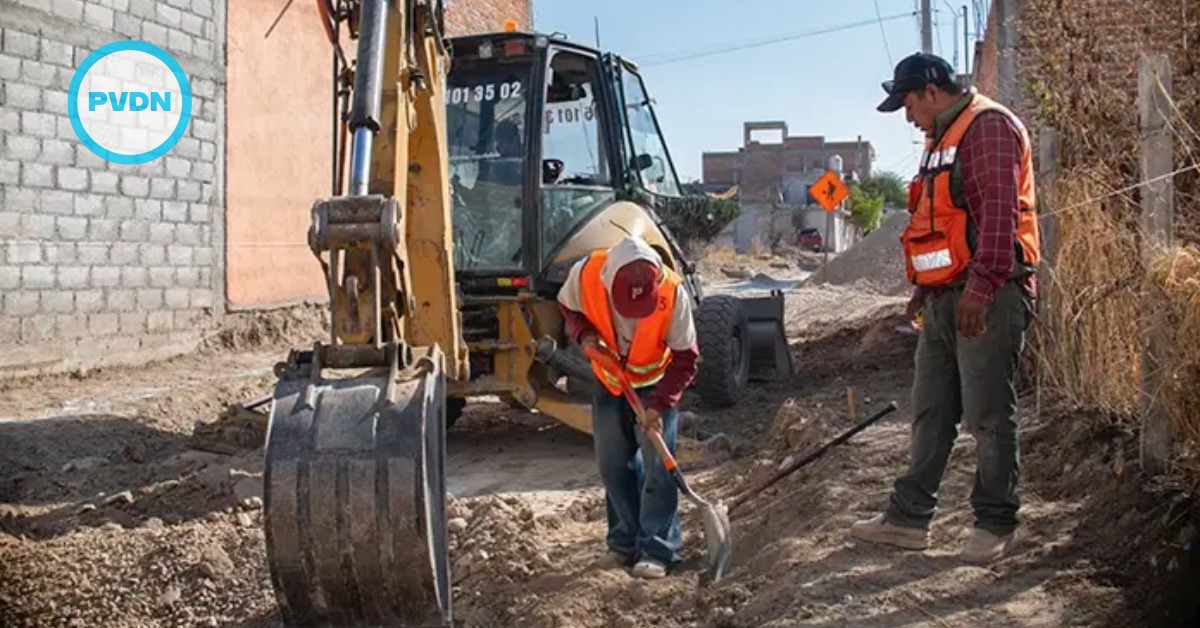
The clearest priorities are the ones residents in rural Mexico tend to mention first because they shape everything else: passable roads, reliable water, and electricity that’s not a gamble. The mayor’s outline puts rural road maintenance and basic connectivity at the center of the 2026 agenda, alongside potable water systems and electrification projects.
Electrification alone is expected to exceed 40 million pesos under the plan described, with the stated goal of reaching communities that still lack full service. Education-related work is also part of the promise, including improvements to school infrastructure, even though responsibility is often shared across levels of government.
Alongside construction and maintenance, the municipality also signaled a return to a broad social-support package under the “Soy Tu Amigo” banner, described as including free medicines, medical consultations, food support, and scholarships for high-performing students, with a mid-2026 restart target.
City center still on the hook
One of the political risks of a rural-first message is the perception that the urban core will be neglected, especially in a place where visitors notice every pothole and every broken streetlight. Trejo has tried to head that off by promising ongoing city services and maintenance, including patching, lighting, water, drainage, and security work that continues regardless of the rural push.
There’s also an implicit balancing act here: the municipality’s 2026 revenue framework is large enough to make big promises sound plausible, but finite enough to force choices. The published 2026 income law for the municipality lists total estimated revenue at roughly 1.3 billion pesos, which helps frame what “up to 400 million” actually means in the bigger picture.
Why this matters for residents and expats
For expats, it’s easy to read municipal investment through a narrow lens: what changes the feel of the center, what affects walkability, what keeps tourism humming. But the less glamorous reality is that rural infrastructure shapes city life more than people admit. Better rural roads can mean more reliable staffing and supply chains, fewer transport headaches, and less wear-and-tear on the routes everyone uses. Water and electricity upgrades outside the center can reduce the quiet pressure that shows up later as shortages, service interruptions, or emergency repairs.
There’s also a social angle that matters in a city wrestling with inequality in plain sight. A rural-focused budget can either narrow the gap or become another headline that never reaches the households it’s meant to help. The difference will come down to execution: which communities are prioritized first, how projects are selected, and whether residents can track progress without needing inside connections.
What to watch next
The next step is less about speeches and more about paperwork and timelines. A promise of “70%” only becomes meaningful once the approved 2026 budget spells out what counts as rural public works, how much is allocated by category, and when projects are scheduled to begin. The same goes for social programs: dates, eligibility rules, and delivery mechanisms will matter as much as the peso figures.
For a plan this large, the city will also need to show results early to keep credibility, especially in communities that have learned to treat big announcements with caution. If 2026 really is the year rural San Miguel moves to the front of the line, people won’t just feel it. They’ll be able to point to it.