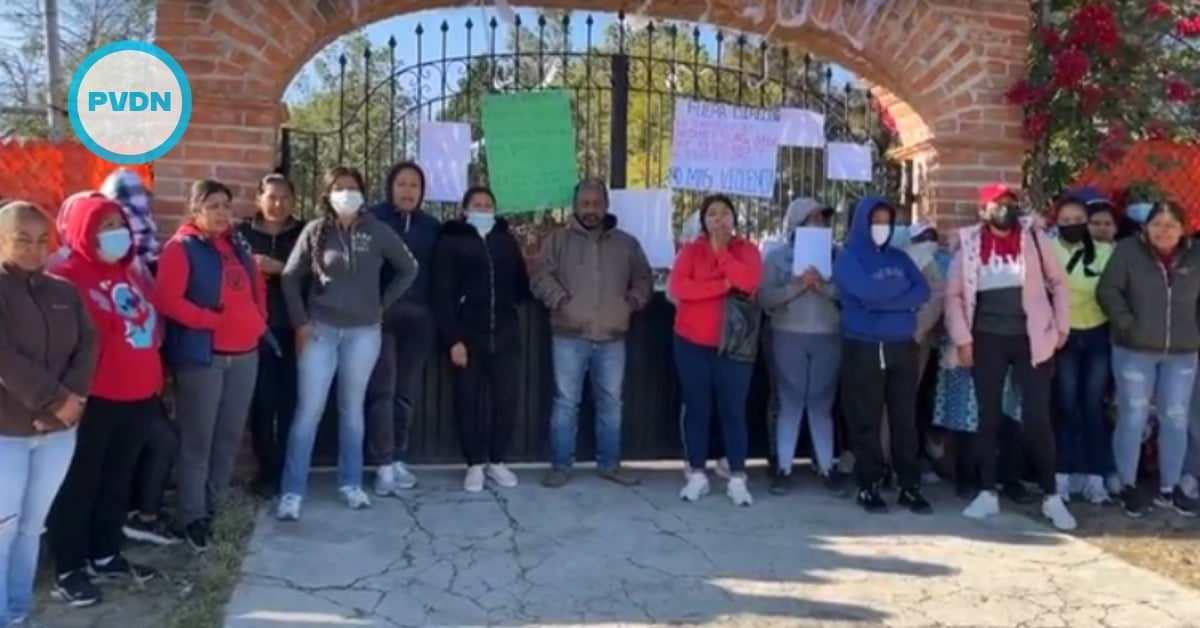
Parents in the Presa Allende community of San Miguel de Allende blocked the entrances to Miguel Hidalgo Primary on Thursday, November 6, closing classrooms and demanding swift action from education authorities. They say bullying and other aggression on campus have gone unaddressed, and they will keep the school shut until the Guanajuato Education Secretariat (SEG) responds. Their protest followed weeks of complaints and meetings they describe as fruitless.
Families accuse administrators of downplaying fights, threats, and incidents among third-graders. Earlier this week, many of the same parents called for the removal of the school’s director, arguing that failures to intervene have made the campus feel unsafe for children and staff.
Parents also described specific allegations that heightened tensions, including claims that a school janitor harassed girls and that officials reacted slowly. The blockade is their way, they say, of forcing an answer after formal complaints brought little change. We verified that those allegations were aired publicly at the school gate on Wednesday, November 5, and that parents physically prevented students and staff from entering.
The community’s demand is simple: clear, immediate measures to protect students and restore trust. They want strengthened adult supervision, consequences for aggressors, and transparent communication with families about what will be done before classes resume. SEG did not immediately release a detailed plan on Thursday, but officials have repeatedly said Guanajuato schools operate under state protocols for preventing and addressing school violence.
San Miguel school bullying
The broader backdrop matters. Guanajuato logged San Miguel school bullying cases as part of a wider statewide problem. An official diagnostic cited by Milenio reported 632 incidents of school violence or bullying in the 2023–2024 cycle—evidence that the challenge is not confined to one campus.
More recently, state tallies show at least 42 formal complaints during the first half of 2025, concentrated in larger municipalities. Advocates say those figures likely undercount what families experience, since many cases are handled informally or never reported. Even so, the numbers help explain why patience is thin and why parents in smaller rural communities feel they must take visible action to be heard.
Parents outside Miguel Hidalgo say they’re not against the school; they want it to work. Shutting the gates means missed lessons and extra stress at home. But families told local outlets they fear something worse if nothing changes. That fear is the heart of this story: a safety contract between schools and families that parents feel has been broken.
State officials emphasize that there are channels for reporting and addressing incidents—training for staff, escalation routes, and a hotline. Guanajuato’s “Aprender a Convivir” platform lists protocols for bullying, harassment, and other risks, with contact numbers families can use. Those resources exist; the test is whether they are used quickly and consistently when a child raises a hand for help. [Aconvivir] centralizes those tools and numbers.
What happens next will come down to a practical checklist: a credible safety plan from SEG, clear steps for supervision and discipline, transparency with parents, and follow-through. If officials land that plan—and communicate it plainly—families say the gates can open. Until then, the message from Presa Allende is fixed to the fence: safety first, then school.