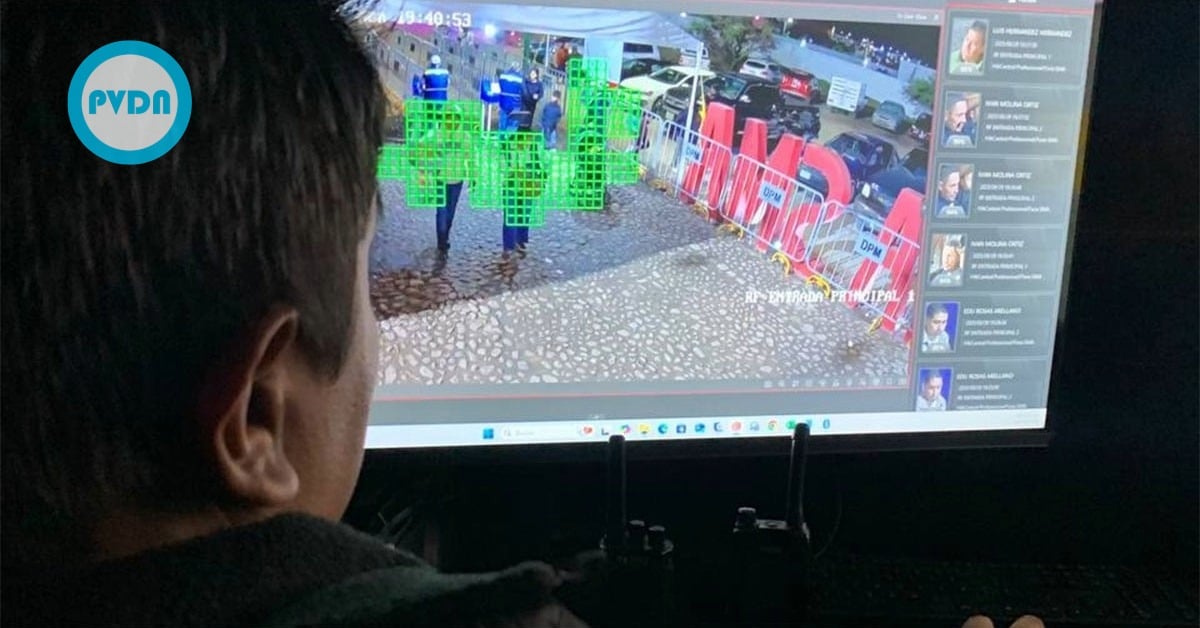
San Miguel de Allende will keep its surveillance drones in the sky, the mayor says, after a calmer September and packed weekends. The aircraft, which was rolled out during the fair with facial-recognition-enabled cameras, will now support crowd control at major events. City Hall also points to a 75% hotel occupancy average and a multi-million-peso boost for local businesses. Supporters argue that the tech enables police to respond more quickly. Civil-liberties advocates warn about transparency and data safeguards. Here’s what’s staying, what’s legal, and what’s still unclear.
San Miguel security drones
San Miguel de Allende will keep using surveillance drones after deploying them during this year’s fair, the mayor said on October 7. He framed the decision as a way to reinforce safety at large gatherings and to sustain a calmer trend in serious crime. The city logged three killings in September, according to his account, which he said puts public safety back to levels of a decade ago.
The mayor’s claim follows weeks of visible technology at the fairgrounds, including drones and a video wall of cameras with facial-recognition capability. Local media described the package as “state-of-the-art” gear designed for prevention and quick response. On social channels around the event, municipal messaging also highlighted drones and facial recognition as part of the toolkit. Authorities say the aircraft will now be kept for festivals, parades, and other high-density dates on the calendar.
City Hall is pairing the drone plan with a broader surveillance push. The mayor said he will ask the council to require new restaurants, hotels, and bars to install cameras inside and outside, meeting police specs. He also credited September’s 75% hotel occupancy and a reported economic windfall to a safer, well-managed fair season, and forecast even bigger draws next year. Bobby Pulido is already teased to open the 2026 fair.
Context around the claims
Independent coverage supports key pieces. El Sol del Bajío reported both the tech deployment at the fair—drones plus facial-recognition cameras—and the tourism metrics the mayor touted, including a 75% average occupancy in September and a minimum of MXN 1.2 billion in local spending. Those numbers align with the city’s claim of a “clean” fair period.
At the state level, Guanajuato recorded its lowest September tally of homicide victims in eight years, according to the state government’s bulletin, part of a trend officials there say reflects stepped-up operations. That broader drop is consistent with the mayor’s local narrative, though municipal-level counts should be read cautiously until final state and federal data sets are posted.
What the drones mean for residents
Utilizing San Miguel’s security drones in routine operations raises practical and legal concerns. Mexican municipalities can adopt surveillance tools within the national public security framework, but facial recognition involves biometric data—specifically protected under Mexican privacy doctrine. The federal data-protection authority (INAI) treats face data as sensitive, and long-standing guidance calls for necessity tests, minimization, retention limits, and transparency about databases and matches. Residents will want clarity on when drones are allowed to fly, how images are stored, who can access them, and how to contest any errors.
The city is betting that visible technology will keep big weekends smooth as tourism builds up to the end of the year. Supporters will point to a quieter September and busy hotels. Skeptics will ask for written rules, audit trails, and public reporting on outcomes, not just equipment lists. For now, the drones are “here to stay,” with the next stress test likely to be the holiday rush.