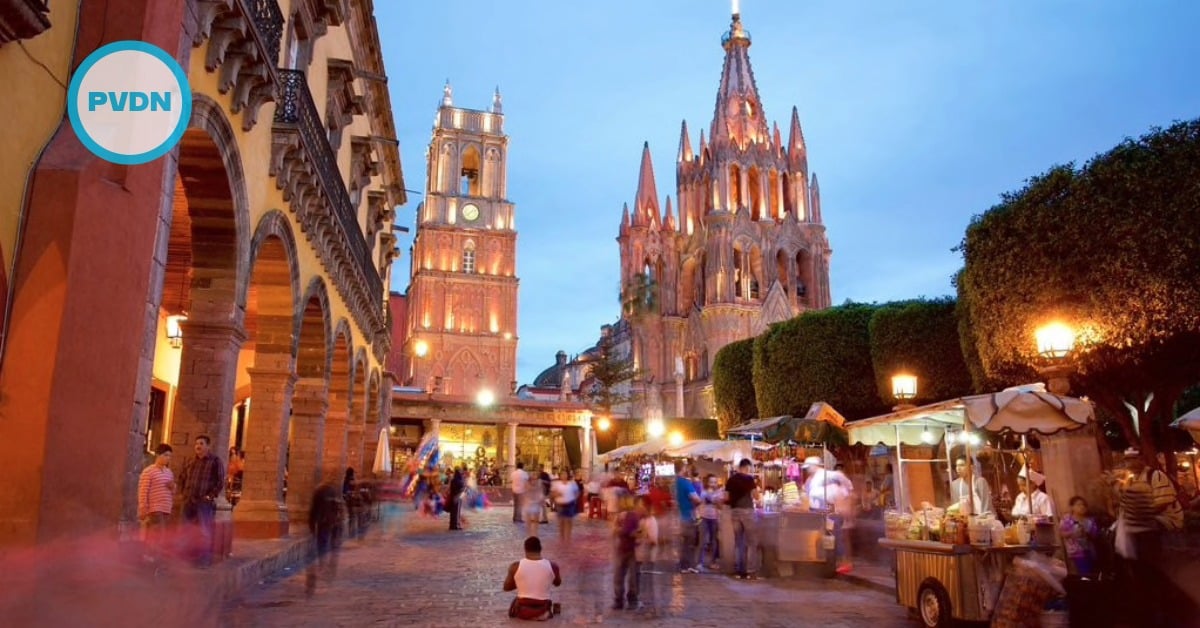
San Miguel de Allende approved winter and holiday protection plans to coordinate shelters, road patrols and health messaging through early 2026.
In San Miguel de Allende, winter is more than a wardrobe change. In the highlands around the city, cold fronts can bring sharp drops in temperature, hailstorms and, on rare occasions, even light snowfall on the surrounding hills. Rural communities at higher elevations and families living in flimsy housing feel that cold first. People who sleep on the streets face the longest nights of the year with little protection.
With that backdrop, the Municipal Civil Protection Council held its fifth ordinary session and approved a package of special programs for the 2025–2026 season. The aim is simple but ambitious: reduce risks before they turn into emergencies and keep daily life moving even when the weather or holiday traffic complicates things.
The package covers four fronts. One plan focuses on the Guadalupe–Reyes holiday period, when religious celebrations, parties, and extra driving crowd streets and highways from mid-December into early January. Another addresses the 2026 season for forest and grassland fires, which typically intensify as dry months advance. A third plan looks at the large flows of pilgrims expected in 2026, and the fourth concentrates on the 2025–2026 winter itself.
Together, these programs set out actions in prevention, preparation, response and recovery. They also mark the formal close of the 2025 rainy season, using lessons from recent storms to adjust plans for the coming months.
San Miguel winter safety moves from paper to the street
The new San Miguel winter safety package is built around coordination. The city will reinforce a Municipal Command Post to link emergency services, traffic units, health authorities and other municipal offices when conditions worsen. That structure already exists in local contingency plans and is being updated to match state Civil Protection guidelines and risk management standards.
On the ground, residents will see more than meeting minutes. Authorities plan road and preventive operations at key access points and on busy routes during holidays and pilgrim movements. Strengthened road signage is expected at conflict spots, including curves, crossroads and areas with frequent fog or heavy traffic. The goal is to reduce crashes, which state and municipal reports identify as one of the most common emergencies during the Guadalupe–Reyes period.
Temporary shelters are another piece of the puzzle. Municipal contingency documents stress that people in street situations and low-income families in poorly insulated homes are the most exposed to freezing nights. The updated winter plan calls for ready-to-open refuges and social assistance actions so that blankets, warm clothing and basic supplies can reach vulnerable communities quickly when temperatures drop.
Public information will run alongside these physical measures. Winter and holiday campaigns are planned in neighborhoods, rural communities and high-traffic public spaces. They focus on self-protection: dressing in layers, ventilating homes when using gas or wood heaters, avoiding sudden temperature changes, and watching for symptoms of hypothermia and respiratory illness among children and older adults. State health authorities have already urged residents to reinforce these habits amid forecasts of more intense cold fronts.
The forest and grassland fire plan looks ahead to the dry months of 2026. It envisions coordination with specialized brigades, tighter monitoring of risk zones and messages aimed at farmers and visitors about controlled burns, cigarette butts and campfires. Recent state programs underline that human activity remains a key factor in starting fires that later threaten homes, crops and protected areas.
Pilgrim routes, holiday crowds and rural communities in focus
While winter temperatures are one concern, San Miguel’s authorities are also planning for movement. The pilgrim season in 2026 will again send large groups walking or traveling by bus through the region on their way to major sanctuaries. The municipal plan aligns with state programs that treat this as a socio-organizational risk: big gatherings on roads and in rural communities that, without order, can quickly strain local services.
For San Miguel de Allende, that means preparing rest points, medical support and coordination between local police, Civil Protection, health services and volunteer groups. Road operations will seek to protect both pilgrims and regular traffic, especially on stretches where highways cut across small communities or sharp curves.
The end-of-year Guadalupe–Reyes period brings a different type of crowd. Families attend masses, posadas, parties, New Year celebrations and the traditional Day of the Kings. Across Mexico, security and health authorities use this period to reinforce alcohol checkpoints, monitor fireworks use and watch over large gatherings. San Miguel’s program follows this logic, tying its road operations and preventive presence to the holiday calendar so that police, traffic officers and emergency crews are already in position when needed.
Behind these plans sits a broader philosophy that municipal, state and federal Civil Protection agencies have been pushing in recent years: risk management starts long before the sirens. In San Miguel, that means mapping vulnerable communities, training local committees, updating contingency documents and linking municipal protocols with state and national frameworks.
As the 2025–2026 winter approaches, none of these measures can guarantee a season without emergencies. But they do show a city government trying to arrive early rather than late. For residents, the message is that safety is a shared job: authorities may prepare shelters, patrols and campaigns, yet their impact will depend on how each household, neighborhood and pilgrim group chooses to respond when the cold sets in and the festive calendar fills the streets.