This November, Los Cabos hosts the fifth Sea of Cortez Forum. At this three-day summit, business leaders, academics, and public officials try to turn big regional ideas into real projects. Organizers say they’re aligning concrete “action lines” on cities, water, finance, ecosystem restoration, and a new science-business corridor. It’s not just talk. Past editions helped stitch together partnerships now shaping policy and investment across the five Mar de Cortés states. Here’s what’s planned, why the venue matters, and what to watch when doors open Nov. 5.
Los Cabos announces the fifth Sea of Cortez Forum in November
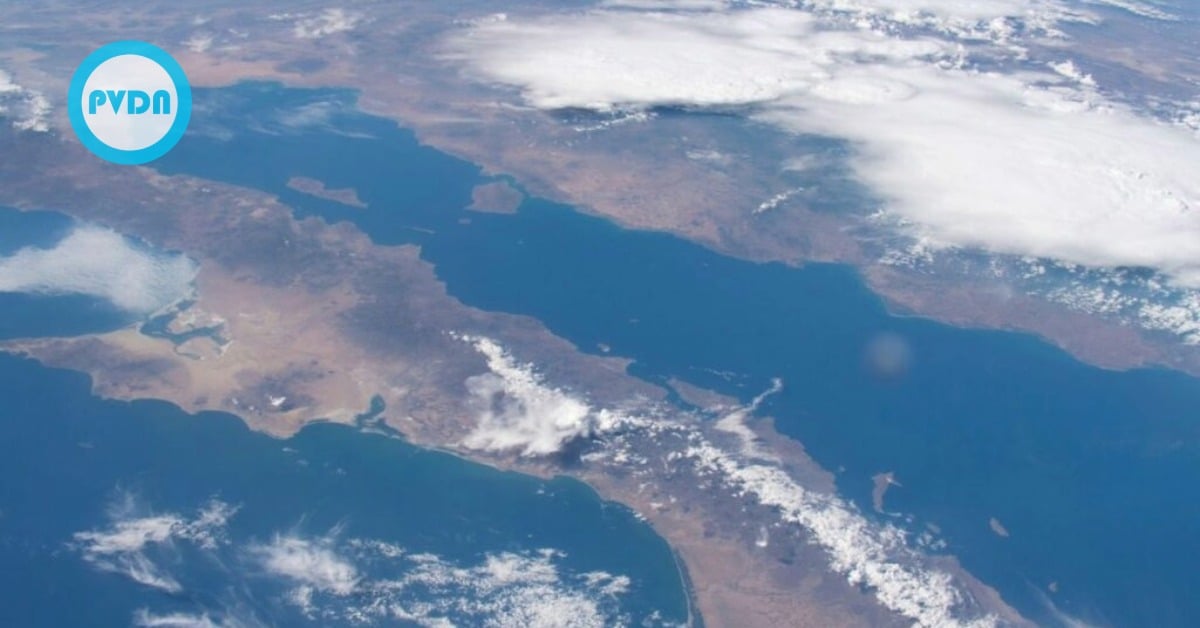
Organizers have confirmed the fifth Sea of Cortez Forum, scheduled for November 5–7, at Hacienda del Mar in Los Cabos. The event’s aim is straightforward: to align economic, social, and ecosystem actions across the five states that share the Mar de Cortés region. The local announcement, delivered to the Grupo Madrugadores business breakfast, set the agenda and the tone. It also underscored the region’s weight in Mexico’s economy. Leaders say the five states account for roughly 9% of the population and about 10–11% of national GDP.
The forum’s director general, Juan Pablo Yamuni Robles, told local audiences the goal is to integrate private-sector leadership with universities, civil society, scientists, and government to move from ideas to measurable action. That collaboration lens tracks with what the forum has done in previous years, when it convened hundreds of stakeholders in Los Cabos to push projects with sustainability baked in.
Sea of Cortez Forum
This year’s edition organizes work around six action lines. They include “Cities with a Future” to coordinate urban planning institutes, citizen observatories, water resilience measures, a sustainable finance fund, ecosystem restoration, such as reef repopulation, and the creation of a Scientific-Academic-Business Corridor for the Mar de Cortés. Those planks mirror priorities leaders have telegraphed since 2024, when the summit closed with calls to track impact and scale partnerships across states.
The venue choice isn’t accidental. Hacienda del Mar, just outside Cabo San Lucas, has become a recurring host with meeting space sized for plenaries and breakouts, plus the logistics a cross-state summit needs. It’s where the 2024 edition brought business and policy circles together around urban sustainability and inclusion. Bringing people back to the same site helps execution: teams know the rooms, AV, and flow, and spend more time on content than on troubleshooting.
Why this matters now
The summit arrives as Northwest Mexico wrestles with rapid growth, tourism pressure, and climate stress. In 2024, participants pushed to measure real-world impact, from watershed work to firm-level sustainability metrics. Since then, universities and NGOs have taken a leading role: the UABC and its sister institutions formalized collaboration around the proposed science-academic-business corridor, and groups like Pronatura Noroeste signed cooperation agreements with the forum to link conservation efforts with local livelihoods. The through-line is practical: tie research, finance, and policy to deliver projects that communities can feel.
What to watch Nov. 5–7
Expect three recurring pillars to anchor the program: economy and entrepreneurship, ecosystems and biodiversity, and social inclusion. Organizers have also flagged a push to grow “B-system” practices—evaluating companies on environmental, social, and economic performance—and to formalize a sustainable finance track that can back shovel-ready projects after the applause ends. Taken together, those pieces hint at a forum designed less as a talkfest and more as a working session with deadlines.
If the pattern holds from prior years, the closing session will outline deliverables—funding avenues, policy requests, and academic-industry pilots—that carry into 2026. The real test will come after the stage lights cut: who funds the water and habitat projects, which cities adopt shared planning standards, and how quickly the corridor transitions from an acronym to tangible assets on the ground. For a region balancing growth with fragile ecosystems, those answers matter far beyond the hotel ballroom.