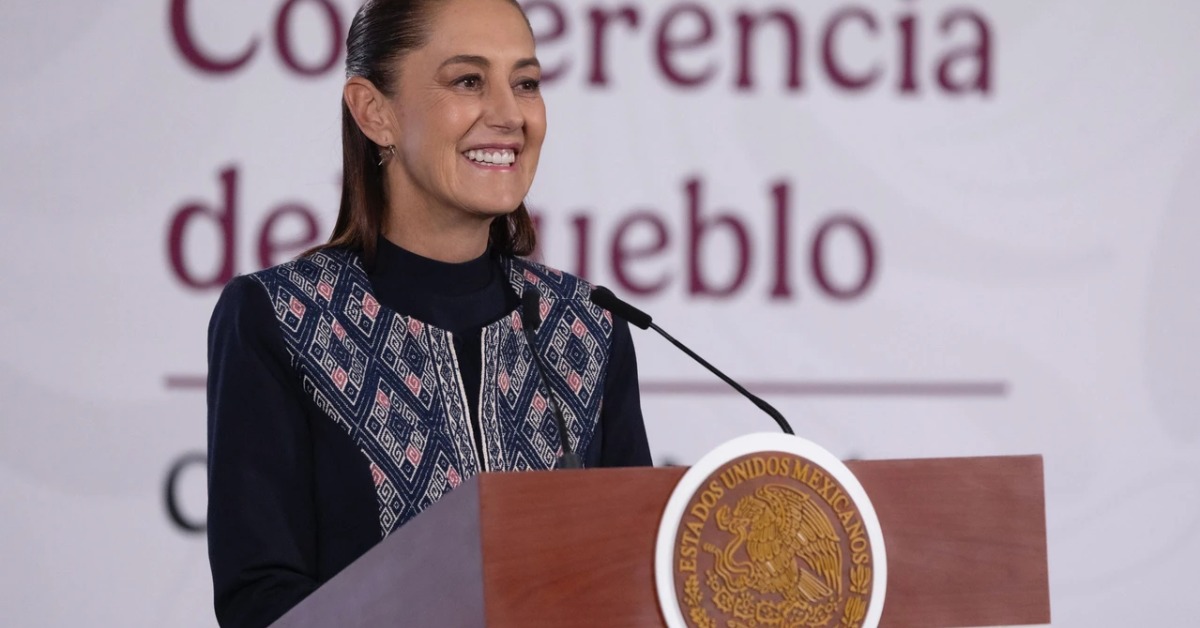
Mexico City, Mexico, June 12, 2026 – President Claudia Sheinbaum said Friday that Mexico will keep asking Washington to provide evidence against Rubén Rocha Moya, the Sinaloa governor on leave who is facing U.S. drug-trafficking and weapons charges.
Sheinbaum told reporters during her morning press conference that the Rocha case is not on the formal agenda for Friday’s U.S.-Mexico security meeting in Mexico City. She said the meeting will follow the security agenda that both governments agreed to months ago.
The president said Mexico will continue to insist on receiving evidence from the United States. She did not say when Mexico expects a fuller response from Washington.
Security meeting moves ahead in Mexico City
Friday’s meeting is being led on the Mexican side by Foreign Secretary Roberto Velasco, with participation from security and justice officials. The agenda includes border security, organized crime, law enforcement cooperation, and illicit finance, according to reporting on the planned security talks.
U.S. Ambassador Ronald Johnson and embassy officials are also expected to take part.
For readers in Puerto Vallarta, the meeting does not point to any immediate change in local security conditions. Its importance is national. The talks show where Mexico and the United States are placing pressure on cartels: prosecutions, fentanyl, migration enforcement, border cooperation, and financial investigations.
U.S. indictment remains an allegation
The U.S. Department of Justice unsealed the indictment on April 29. Prosecutors accused Rocha and other current or former Sinaloa officials of working with the Sinaloa Cartel to move drugs into the United States in exchange for political support and bribes.
PVDN reviewed the indictment language and related reporting. The central U.S. allegation is that Rocha’s 2021 campaign benefited from the Chapitos faction of the Sinaloa Cartel, and that state officials later protected cartel operations. Those claims remain allegations unless proven in court.
Rocha has denied the accusations. After the indictment became public, he rejected any link to illegal activity and said he would face the legal process, according to coverage of his response.
Mexico’s Foreign Ministry previously confirmed that it received U.S. requests for provisional detention for extradition purposes. Mexican officials said the documentation did not include enough evidence to establish responsibility, and the file was sent to the Attorney General’s Office for review under Mexican law, according to reporting on the extradition request.
Legal process remains unresolved
The next legal question is whether the United States provides enough evidence for Mexican authorities to act inside Mexico. Any detention request tied to extradition would still have to move through Mexico’s legal system.
Mexico’s Security Secretariat said May 27 that there was no active Interpol red notice against Rocha. Security Secretary Omar García Harfuch also said that an Interpol notice would not automatically result in an arrest in Mexico, because the request would still require legal review, according to coverage of the government’s statement.
Previous PVDN coverage has followed Rocha’s appearance before Mexican prosecutors and the separate U.S. case involving former Sinaloa security chief Gerardo Mérida Sánchez. Both cases are part of the wider U.S. focus on alleged political protection networks tied to the Sinaloa Cartel.
Sheinbaum is keeping the broader security meeting separate from the Rocha case. The unresolved issue is whether Washington provides evidence sufficient for action under Mexican law.