Mexico’s federal prosecutor has moved the Rocha Moya case into a new stage after weeks of pressure from a U.S. cartel indictment. The Sinaloa governor, who is on leave from office, has been called to appear before the Ministerio Público, along with others named in the U.S. case. At the same time, Chihuahua Gov. Maru Campos has been called as a witness in a separate investigation involving an anti-drug operation and alleged CIA participation.
FGR calls Rocha to give an interview
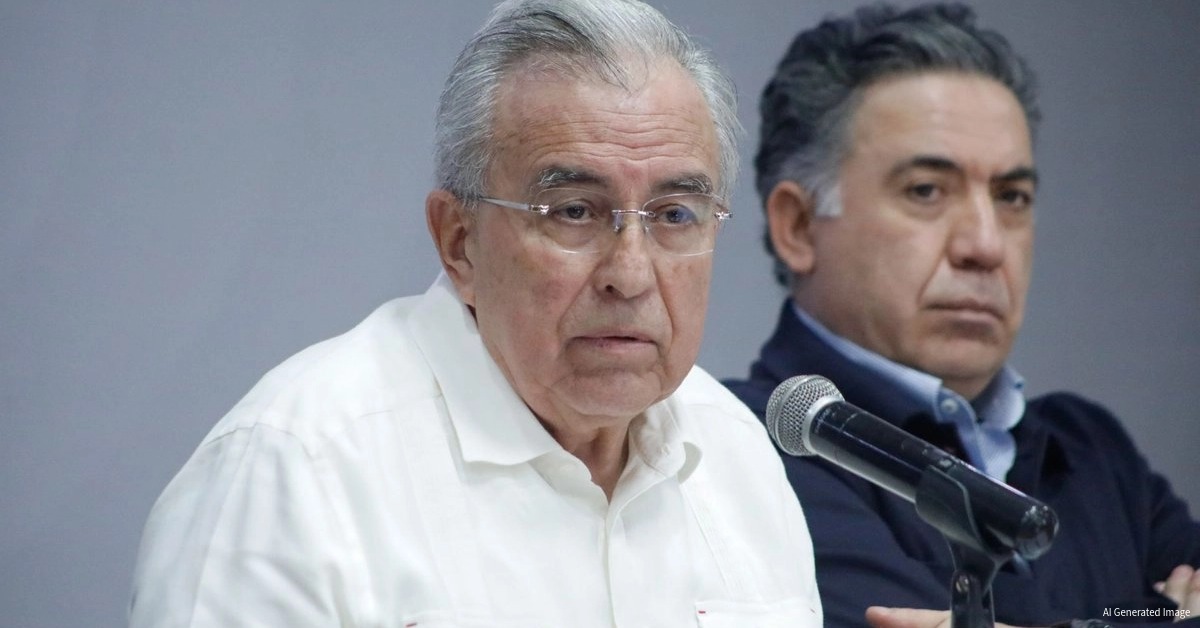
Mexico’s federal prosecutor has called Sinaloa Gov. Rubén Rocha Moya, who is on leave from office, to give an interview before the Ministerio Público after U.S. authorities accused him and other Sinaloa figures of receiving money from the Sinaloa Cartel. La Jornada reported that the Fiscalía General de la República, or FGR, also called other people named in the U.S. case to appear as part of the Mexican inquiry.
Federal prosecutors said the people from Sinaloa are being called to “rendir entrevista” at the federal prosecutor’s office. According to La Jornada, the summons is tied to accusations filed in the U.S. District Court for the Southern District of New York.
A summons for an interview does not resolve the legal question. It means the case is now moving through a Mexican prosecutorial channel while the U.S. indictment remains separate.
U.S. allegations remain unproven in court
The U.S. Justice Department announced April 29 that Rocha Moya and nine other current or former Sinaloa officials had been charged with drug trafficking and weapons offenses. U.S. prosecutors allege the defendants worked with leaders of the Sinaloa Cartel to move narcotics into the United States in exchange for political support and bribes.
Justice Department officials also said the charges are allegations and that the defendants are presumed innocent unless proven guilty. That distinction is central to the Mexican response, because Mexico must decide what evidence, if any, supports action inside its own legal system.
Vallarta Daily previously reported that Rocha Moya’s temporary leave from office raised questions about immunity and the next legal steps in Mexico. A separate Vallarta Daily explainer examined how U.S. cartel cases can put pressure on Mexican politics before a Mexican court has reached a verdict.
Rocha says he will comply
Rocha Moya confirmed May 23 that he had received the FGR summons and said he would attend, according to Aristegui Noticias. He has denied the accusations and said after taking temporary leave May 1 that the claims against him were false.
The FGR did not give a public date for Rocha Moya’s appearance. Aristegui Noticias reported that the agency also had not detailed the procedural status of Rocha Moya and the other people called to appear, or whether the interviews would lead to additional steps.
Chihuahua governor called in separate case
The same FGR announcement also included Chihuahua Gov. María Eugenia Campos Galván, known as Maru Campos, in a separate investigation. La Jornada reported that Campos was called to appear as a witness in a national-security case connected to the alleged participation of two CIA agents in an anti-drug operation.
El País reported that Campos said she would appear before the FGR on May 27. The newspaper said the federal investigation is examining whether the presence of U.S. agents in the Chihuahua operation violated Mexico’s Constitution or the National Security Law.
Mexico’s Interior Ministry later described the summonses as part of ordinary investigative procedure, according to El Heraldo de México. The ministry said Rocha Moya and Campos were being called as witnesses, not as people formally charged by Mexican prosecutors.
What remains unclear
Federal authorities have not said when Rocha Moya will appear, what questions prosecutors plan to ask, or whether the Mexican inquiry will produce criminal action in Mexico. The U.S. case remains active, but its allegations have not been tested in a Mexican court.
At this stage, the public record shows a Mexican interview request, a U.S. indictment, and no Mexican court finding against Rocha Moya.